As Florida braces for the impact of Hurricane Milton, the state’s real-estate market finds itself in a precarious position. This powerful Category 4 storm, following closely after Hurricane Helene, threatens to exacerbate an already volatile situation. With peak winds reaching 160 mph, Milton is expected to make landfall near Tampa Bay, bringing heavy rain and significant flood risks.
Governor Ron DeSantis has declared a state of emergency across 51 counties, prompting mandatory evacuations. Tampa Mayor Jane Castor issued a stark warning, emphasizing that remaining in the city could be fatal as the storm approaches. The aftermath of Hurricane Helene, which resulted in over 220 deaths and $34 billion in damage, has left the state reeling. The combination of natural disasters has residents reconsidering their future in a state prone to such climate threats.
The financial burden on Florida homeowners is mounting. High insurance premiums are a significant concern, with one homeowner paying $7,000 annually for flood and hazard insurance. Despite these challenges, the allure of Florida’s extensive coastline continues to attract interest. However, insurers are increasingly withdrawing from the market, with potential rate hikes of over 300% on the horizon.
The situation is reflective of broader challenges in the real-estate market. Once a sought-after location, Florida’s appeal has waned due to the fallout from COVID-19 and changing climate conditions. This shift is evident as hurricane-damaged properties see price cuts, sparking investor interest. Yet, the desire to leave Florida is counterbalanced by the ongoing attraction of its coastline.
Meanwhile, states like Texas are facing similar real-estate issues, highlighting a broader trend across the nation. The Sunshine State, with its blend of beauty and adversity, remains a focal point in the evolving landscape of American real estate.
For more insights, read the original article on Business Insider.
Select options
This product has multiple variants. The options may be chosen on the product page
Details
More Articles
Getting licensed or staying ahead in your career can be a journey—but it doesn’t have to be overwhelming. Grab your favorite coffee or tea, take a moment to relax, and browse through our articles. Whether you’re just starting out or renewing your expertise, we’ve got tips, insights, and advice to keep you moving forward. Here’s to your success—one sip and one step at a time!
While most people chase AI stocks or compete for high‑pressure tech jobs, the real opportunity may be unfolding in AI boomtown real estate. As companies like OpenAI, Anthropic, Microsoft, and NVIDIA mint new waves of wealthy workers, demand for housing in key cities is exploding. From San Francisco to Austin, AI‑driven markets are seeing rising rents, limited inventory, and buyers preparing for massive IPO windfalls. For real estate professionals—or anyone entering the field—this surge represents one of the strongest long‑term opportunities in the industry.
Florida is ending its 1 percent emergency insurance surcharge two years ahead of schedule, saving homeowners an estimated 650 million dollars through 2028. Thanks to a calm hurricane season, fewer insurer failures, and reduced lawsuits, officials say the state’s property insurance market is now in its strongest financial position in a decade. The change offers relief for homeowners and new momentum for Florida’s real estate industry, where lower insurance costs can boost buyer confidence and support smoother transactions.
A growing political push to block institutional investors from buying single-family homes may sound like a pro-homeowner policy, but the data shows it could do the opposite. Younger and racially diverse renters rely heavily on single-family rentals as an affordable, stable alternative to buying—yet restricting investor participation would shrink this supply, pushing many families into overcrowded housing, motels, or homelessness. The real issue isn’t who buys the homes, but that America doesn’t have enough of them.
Zillow’s 2026 Agent Trends Survey reveals a major shift in what agents value most: technology that reduces mental drain. Nearly half of agents now use AI tools daily, yet most still juggle multiple platforms that sap their focus. Zillow’s upcoming unified platform, Zillow Pro, aims to streamline workflows and cut cognitive load. The survey also highlights key industry trends, including buyer financial literacy gaps, the importance of relationships for lead generation and the growing need for tech fluency among both new and seasoned real estate professionals.
Florida’s housing market is still surging, with luxury enclaves like Lake Buena Vista, Jupiter Island, and Golden Beach seeing massive six‑figure price jumps in just one year. Smaller towns such as Old Town, Cross City, and Hosford also posted steady gains, proving demand is rising statewide. For real estate professionals, these trends highlight where buyers are moving, where inventory is tight, and where future opportunities lie—making market literacy an essential advantage for anyone pursuing or expanding a career in Florida real estate.
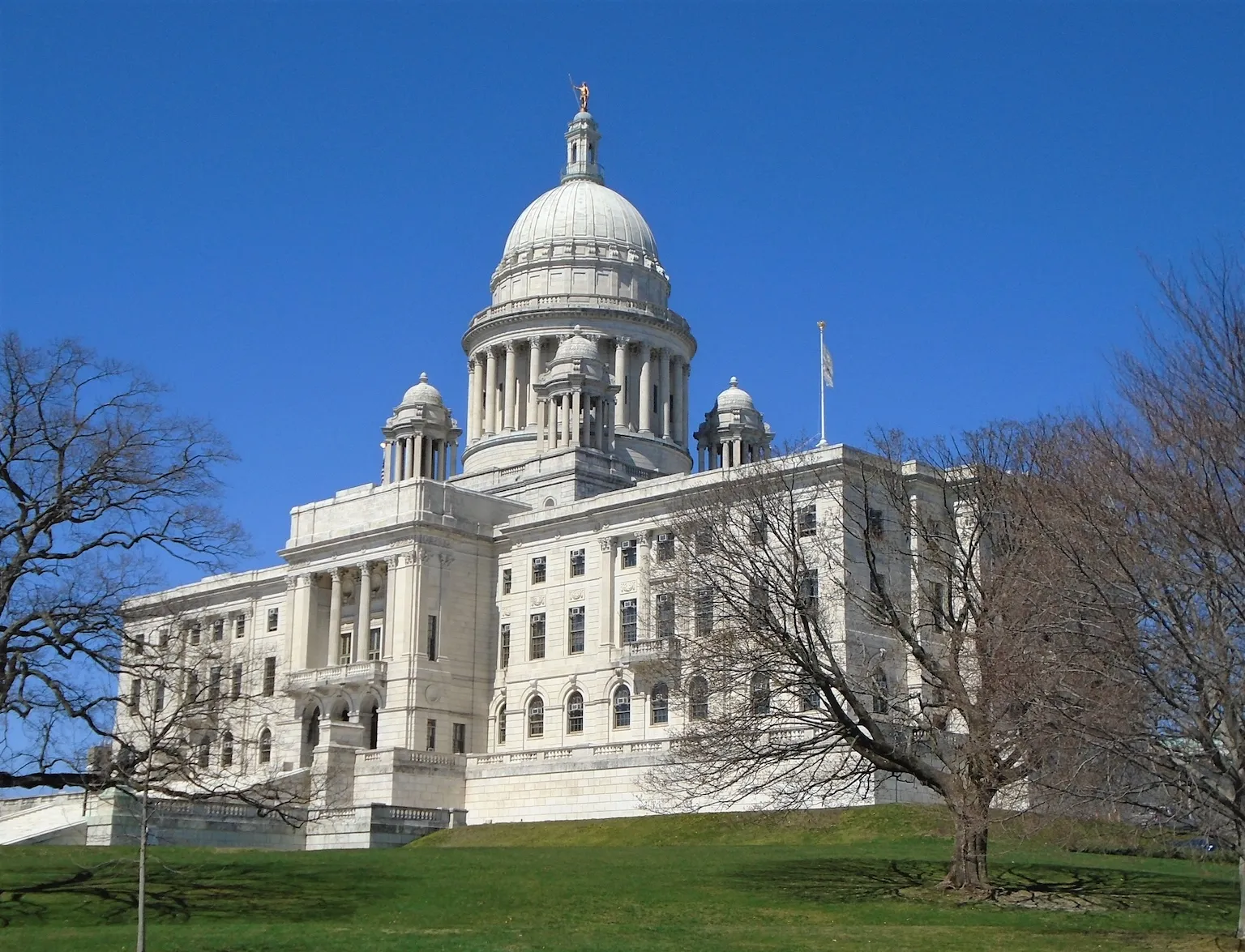
Rhode Island is launching its sixth major housing reform package, aiming to boost affordability through zoning updates, lot splits, code changes, and the revival of single room occupancy and co‑living housing. With the state still recovering from years of underbuilding and soaring home prices, lawmakers hope these reforms will unlock new supply, ease pressure on renters and buyers, and create fresh opportunities for real estate professionals.