Florida’s Home Sales Are Cooling — But Insurance Costs Are Turning Up the Heat
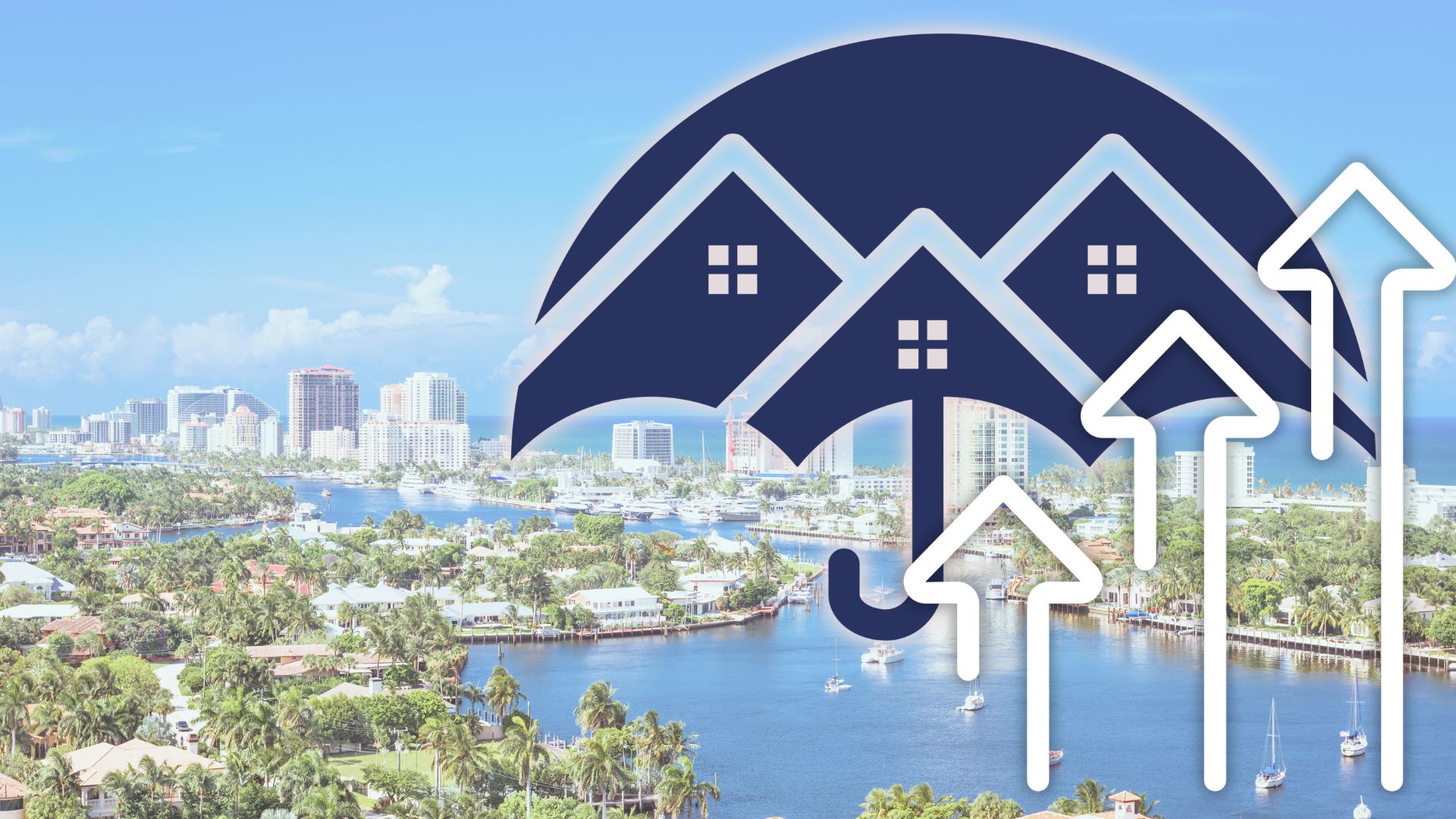
The Florida housing market is hitting the brakes — hard. Deals are falling apart, prices are slipping, and the insurance industry is at the center of the storm. According to reporting from Live Insurance News, Florida’s real estate slowdown isn’t just a blip. It’s a correction that’s reshaping how buyers, sellers, and professionals navigate the Sunshine State’s once-red-hot market.
Tap to Explore: Why Deals Are Falling Through
In October, 15.1% of U.S. home-purchase agreements were canceled. But Florida far surpassed that, with metros like Fort Lauderdale hitting a 20% fallout rate — and Orlando, Jacksonville, and Miami not far behind. Rising insurance premiums and shifting market conditions are causing buyers to pause, rethink, and often walk away.
Home Prices Are Sliding Downward
For the first time in years, several Florida metros are seeing noticeable year-over-year declines. Cape Coral leads with a 7.1% drop, followed by Naples (6.7%), Punta Gorda (6.2%), and North Port (5.1%). For North Port, values are down 20% from three years ago.
This is all part of a broader trend — Florida now dominates the list of the fastest-cooling housing markets in the country.
Inventory Is Rising, and Foreclosures Are Back
More homes are hitting the market, more contracts are falling apart, and more sellers are competing through price reductions. Meanwhile, Cape Coral ranks third in U.S. foreclosure rates, driven by higher mortgage costs and surging insurance premiums.
The Hidden Cost: Insurance Sticker Shock
Insurance is the quiet force reshaping Florida’s real estate landscape. Homeowners in the state pay over $3,000 more than the national average. Many buyers don’t discover these costs until they’re deep in escrow.
In Miami-Dade, condo owners pay around $2,300 a year for basic insurance — and flood insurance adds even more. For single-family homes, rising premiums, stricter underwriting, and fewer insurer options are creating a costly obstacle course for buyers.
The HOA and Condo Crunch
Condo associations and HOAs are under enormous pressure. Insurance premiums have soared, forcing many associations to increase fees dramatically. Five years ago, a $250 HOA fee might have been normal. Today? $500 or more is becoming standard — all because of insurance.
Flood Zones Are Expanding
FEMA’s updated flood maps are pulling more homes into mandatory flood insurance zones. Even inland properties once considered “safe” are being recategorized, raising annual costs by $600 to $2,000 for many homeowners.
Citizens Insurance: Shrinking, Changing, and Cutting Rates
Citizens Property Insurance Corp., long Florida’s safety net insurer, is shrinking fast. It has shed nearly a million policies since 2023 as private insurers return to the state. Legislative reforms reduced litigation abuse, bringing 17 new insurers back into the market.
In 2026, Citizens is even recommending its first rate cuts in over a decade — an average reduction of 11.5% for many policyholders.
But even with cuts, Florida still holds the title for the highest insurance premiums in America.
A Quiet Storm Season Helps — But Not Enough
Despite a calm 2025 hurricane season, insurance premiums remain elevated due to high reinsurance costs, Citizens’ mandatory flood coverage rules, and Florida’s ongoing exposure to climate risk.
Legislation Is Trying to Help — With Mixed Results
HB 913 tightened insurance rules for condo associations and mandated stronger reserves for repairs. While necessary, these reforms increased costs for many homeowners and buyers. FEMA flood map updates add another layer of required expense.
What This Means for Buyers Right Now
Tap to Compare Housing Types
A $600,000 home in Fort Lauderdale may look affordable — until you factor in insurance and fees. Single-family homes without HOAs often face the highest premiums. Gated communities may offer lower insurance but add monthly HOA costs. Condos can carry the steepest fees of all due to building-wide policies and rising maintenance demands.
Is It Worth It?
Florida’s real estate market isn’t collapsing — it’s recalibrating. Insurance is now a front-and-center player in buyer decisions, shaping budgets, expectations, and even migration patterns. Still, the allure of Florida remains strong: sunshine, beaches, lifestyle. The question isn’t whether people want to live here — it’s whether they can afford to.
The Bottom Line
As Live Insurance News highlights, Florida’s real estate market is entering a new era defined by risk, resilience, and rising costs. For professionals navigating this environment — from agents to insurers to mortgage specialists — understanding these shifts is essential.
And for anyone pursuing or advancing a career in real estate or insurance, organizations like Cameron Academy play a crucial role in preparing professionals to work confidently in Florida’s evolving market.
More Articles
Getting licensed or staying ahead in your career can be a journey—but it doesn’t have to be overwhelming. Grab your favorite coffee or tea, take a moment to relax, and browse through our articles. Whether you’re just starting out or renewing your expertise, we’ve got tips, insights, and advice to keep you moving forward. Here’s to your success—one sip and one step at a time!
Florida’s insurance market is under intense pressure as millions of residents and trillions in property wealth cluster along hurricane‑vulnerable coastlines. This article breaks down how decades of growth in high‑risk zones created today’s crisis, why traditional pricing models can’t keep up, and what real estate and insurance professionals must do to stay ahead. It offers actionable insights on underwriting, risk communication, policy partnerships, and resilience planning—critical knowledge for anyone advising Florida homeowners or navigating the state’s evolving insurance landscape.
Florida’s homeowners insurance market may have stabilized, but not in the way residents hoped. After years of runaway increases, premiums have stopped spiking—but they’re holding at painfully high levels. Coastal properties remain the hardest hit, with some policies topping $15,000 a year, while insurers continue demanding costly upgrades and resisting calls for transparency. For real estate professionals, understanding these pricing pressures is becoming essential as insurance costs increasingly shape buyer decisions across the state.
Florida homeowners face soaring premiums, shrinking insurer options, and storms that grow stronger each year. This article breaks down what hurricane insurance actually covers, how deductibles really work, why flood insurance is essential, and what professionals in real estate, mortgage, and insurance must understand to protect clients and properties before the next major storm hits.
Teresa King Kinney, one of the most influential executives in modern real estate, is retiring after 33 years as CEO of the MIAMI Association of Realtors. Under her leadership, the organization grew from 5,000 members to 60,000, became a global real estate powerhouse, and built the nation’s largest association‑owned MLS. As she transitions into CEO Emeritus, MIAMI prepares for a new era shaped by the foundation she spent decades building.
Miami’s commercial property market is heating up again, posting an 11% jump in investment volume for 2025. The surge is driven largely by a revitalized retail sector fueled by population growth, strong tourism, and new mixed‑use development. While office and industrial activity remains steady but softer, investor confidence is returning as Miami’s CRE landscape matures and buyers re‑enter the market with renewed interest in high‑traffic retail opportunities.
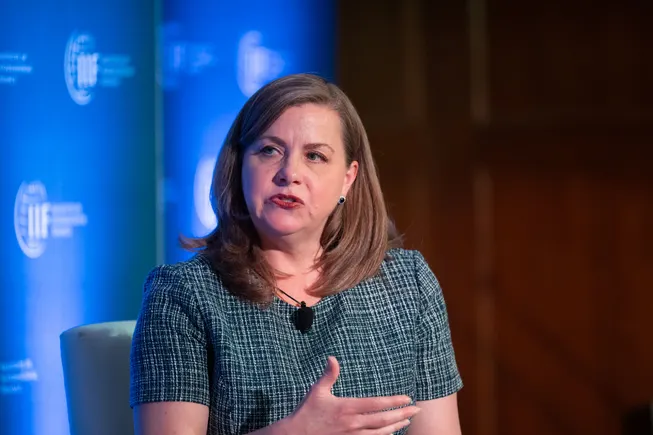
The Federal Reserve is preparing major changes to mortgage regulations in an effort to pull more mortgage activity back into the banking sector. With banks losing significant market share to nonbank lenders over the past decade, Fed Vice Chair for Supervision Michelle Bowman says new proposals may ease capital requirements and make mortgage servicing more attractive for banks. These shifts could have wide‑ranging effects on real estate professionals, lenders, and borrowers as the balance of power in the mortgage market begins to shift once again.