Florida’s Home Sales Are Cooling — But Insurance Costs Are Turning Up the Heat
The Florida housing market is hitting the brakes — hard. Deals are falling apart, prices are slipping, and the insurance industry is at the center of the storm. According to reporting from Live Insurance News, Florida’s real estate slowdown isn’t just a blip. It’s a correction that’s reshaping how buyers, sellers, and professionals navigate the Sunshine State’s once-red-hot market.
Tap to Explore: Why Deals Are Falling Through
In October, 15.1% of U.S. home-purchase agreements were canceled. But Florida far surpassed that, with metros like Fort Lauderdale hitting a 20% fallout rate — and Orlando, Jacksonville, and Miami not far behind. Rising insurance premiums and shifting market conditions are causing buyers to pause, rethink, and often walk away.
Home Prices Are Sliding Downward
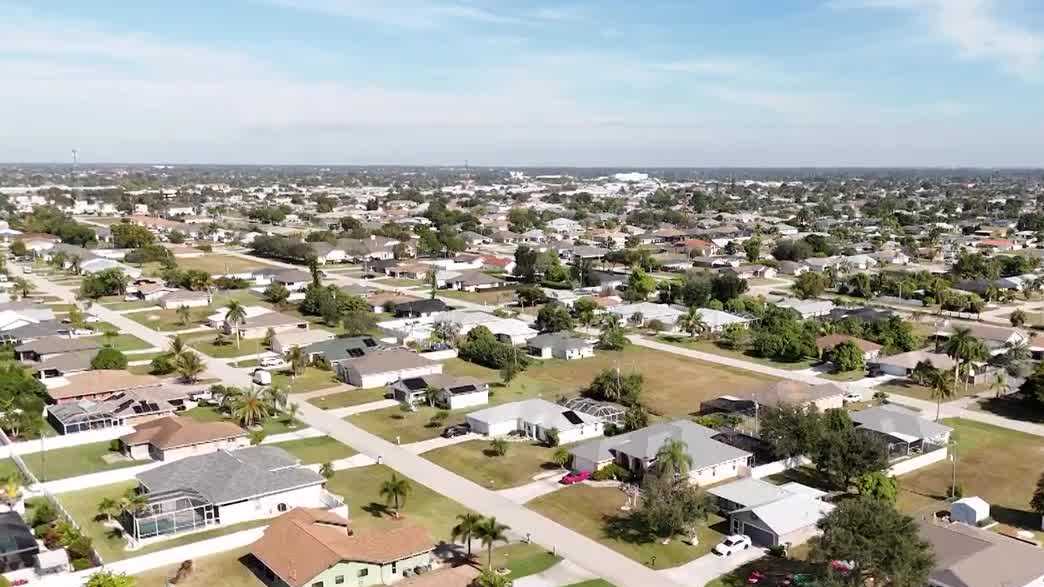
For the first time in years, several Florida metros are seeing noticeable year-over-year declines. Cape Coral leads with a 7.1% drop, followed by Naples (6.7%), Punta Gorda (6.2%), and North Port (5.1%). For North Port, values are down 20% from three years ago.
This is all part of a broader trend — Florida now dominates the list of the fastest-cooling housing markets in the country.
Inventory Is Rising, and Foreclosures Are Back
More homes are hitting the market, more contracts are falling apart, and more sellers are competing through price reductions. Meanwhile, Cape Coral ranks third in U.S. foreclosure rates, driven by higher mortgage costs and surging insurance premiums.
The Hidden Cost: Insurance Sticker Shock
Insurance is the quiet force reshaping Florida’s real estate landscape. Homeowners in the state pay over $3,000 more than the national average. Many buyers don’t discover these costs until they’re deep in escrow.
In Miami-Dade, condo owners pay around $2,300 a year for basic insurance — and flood insurance adds even more. For single-family homes, rising premiums, stricter underwriting, and fewer insurer options are creating a costly obstacle course for buyers.
The HOA and Condo Crunch
Condo associations and HOAs are under enormous pressure. Insurance premiums have soared, forcing many associations to increase fees dramatically. Five years ago, a $250 HOA fee might have been normal. Today? $500 or more is becoming standard — all because of insurance.
Flood Zones Are Expanding
FEMA’s updated flood maps are pulling more homes into mandatory flood insurance zones. Even inland properties once considered “safe” are being recategorized, raising annual costs by $600 to $2,000 for many homeowners.
Citizens Insurance: Shrinking, Changing, and Cutting Rates
Citizens Property Insurance Corp., long Florida’s safety net insurer, is shrinking fast. It has shed nearly a million policies since 2023 as private insurers return to the state. Legislative reforms reduced litigation abuse, bringing 17 new insurers back into the market.
In 2026, Citizens is even recommending its first rate cuts in over a decade — an average reduction of 11.5% for many policyholders.
But even with cuts, Florida still holds the title for the highest insurance premiums in America.
A Quiet Storm Season Helps — But Not Enough
Despite a calm 2025 hurricane season, insurance premiums remain elevated due to high reinsurance costs, Citizens’ mandatory flood coverage rules, and Florida’s ongoing exposure to climate risk.
Legislation Is Trying to Help — With Mixed Results
HB 913 tightened insurance rules for condo associations and mandated stronger reserves for repairs. While necessary, these reforms increased costs for many homeowners and buyers. FEMA flood map updates add another layer of required expense.
What This Means for Buyers Right Now
Tap to Compare Housing Types
A $600,000 home in Fort Lauderdale may look affordable — until you factor in insurance and fees. Single-family homes without HOAs often face the highest premiums. Gated communities may offer lower insurance but add monthly HOA costs. Condos can carry the steepest fees of all due to building-wide policies and rising maintenance demands.
Is It Worth It?
Florida’s real estate market isn’t collapsing — it’s recalibrating. Insurance is now a front-and-center player in buyer decisions, shaping budgets, expectations, and even migration patterns. Still, the allure of Florida remains strong: sunshine, beaches, lifestyle. The question isn’t whether people want to live here — it’s whether they can afford to.
The Bottom Line
As Live Insurance News highlights, Florida’s real estate market is entering a new era defined by risk, resilience, and rising costs. For professionals navigating this environment — from agents to insurers to mortgage specialists — understanding these shifts is essential.
And for anyone pursuing or advancing a career in real estate or insurance, organizations like Cameron Academy play a crucial role in preparing professionals to work confidently in Florida’s evolving market.
More Articles
Getting licensed or staying ahead in your career can be a journey—but it doesn’t have to be overwhelming. Grab your favorite coffee or tea, take a moment to relax, and browse through our articles. Whether you’re just starting out or renewing your expertise, we’ve got tips, insights, and advice to keep you moving forward. Here’s to your success—one sip and one step at a time!
Commercial real estate deal activity dipped in October for the first time since early 2024, signaling a widening disconnect between buyer and seller pricing expectations in a high‑rate environment. While overall sales remain strong—and even above 2024 levels—the sharp slowdown in momentum highlights rising caution across sectors. Multifamily saw a steep 27% drop in volume, hospitality was the lone sector to grow, and institutional buyers are increasingly targeting discounted office assets. With mortgage originations rebounding but lenders staying selective, 2026 will hinge on how quickly the market aligns on pricing and capital costs.
New Vanguard research reveals that the real impact of financial advisors goes far beyond market performance. Investors say the greatest value comes from peace of mind, personalized planning, emotional reassurance, and the time saved by having a trusted expert manage their financial life. The study highlights a major shift in what clients truly want: confidence, clarity, and guidance that aligns with their personal definition of financial success.
U.S. self‑storage deals surged nearly $1.6 billion in Q3 2025, marking a 62% year‑over‑year jump and the sector’s strongest resurgence in years. REITs paid steep premiums to lock down top‑tier, land‑restricted markets, while states like Florida, California, and Georgia led all sales. New York City dominated with record‑high pricing of $526 per square foot, underscoring the asset class’s resilience and the renewed appetite for specialty commercial investments heading into 2026.
Nearly half a million Florida homeowners are finally seeing relief as Citizens Insurance plans to reduce premiums by up to 11%. After years of rising costs and limited coverage options, the insurer’s shrinking policy load and reduced risk are allowing meaningful savings—averaging about $400 per year for most customers. With several private carriers also lowering rates, experts say this could mark the beginning of a long‑needed stabilization in Florida’s insurance and real estate markets.
Colorado heads into 2026 with steady economic strength despite slowing population growth. The latest forecast from the Leeds School of Business projects 17,500 new jobs, rising incomes, and GDP growth outpacing the national average. Most major industries will expand, even as migration slows and labor shortages persist.
Layoffs across tech, energy, retail, aviation, and education are redefining the 2025 workforce as companies cut costs and accelerate their adoption of AI. Major employers like Amazon, Meta, UPS, and Chevron are restructuring thousands of roles, signaling one of the most significant employment shifts in years. But while traditional positions shrink, demand is rising in fields tied to AI, data, cybersecurity, compliance, and licensed professions. For workers willing to reskill or pivot—especially into areas like real estate, insurance, finance, or other certification‑based careers—new opportunities continue to grow despite the turbulence.