Florida’s Home Sales Are Cooling — But Insurance Costs Are Turning Up the Heat
The Florida housing market is hitting the brakes — hard. Deals are falling apart, prices are slipping, and the insurance industry is at the center of the storm. According to reporting from Live Insurance News, Florida’s real estate slowdown isn’t just a blip. It’s a correction that’s reshaping how buyers, sellers, and professionals navigate the Sunshine State’s once-red-hot market.
Tap to Explore: Why Deals Are Falling Through
In October, 15.1% of U.S. home-purchase agreements were canceled. But Florida far surpassed that, with metros like Fort Lauderdale hitting a 20% fallout rate — and Orlando, Jacksonville, and Miami not far behind. Rising insurance premiums and shifting market conditions are causing buyers to pause, rethink, and often walk away.
Home Prices Are Sliding Downward
For the first time in years, several Florida metros are seeing noticeable year-over-year declines. Cape Coral leads with a 7.1% drop, followed by Naples (6.7%), Punta Gorda (6.2%), and North Port (5.1%). For North Port, values are down 20% from three years ago.
This is all part of a broader trend — Florida now dominates the list of the fastest-cooling housing markets in the country.
Inventory Is Rising, and Foreclosures Are Back
More homes are hitting the market, more contracts are falling apart, and more sellers are competing through price reductions. Meanwhile, Cape Coral ranks third in U.S. foreclosure rates, driven by higher mortgage costs and surging insurance premiums.
The Hidden Cost: Insurance Sticker Shock
Insurance is the quiet force reshaping Florida’s real estate landscape. Homeowners in the state pay over $3,000 more than the national average. Many buyers don’t discover these costs until they’re deep in escrow.
In Miami-Dade, condo owners pay around $2,300 a year for basic insurance — and flood insurance adds even more. For single-family homes, rising premiums, stricter underwriting, and fewer insurer options are creating a costly obstacle course for buyers.
The HOA and Condo Crunch
Condo associations and HOAs are under enormous pressure. Insurance premiums have soared, forcing many associations to increase fees dramatically. Five years ago, a $250 HOA fee might have been normal. Today? $500 or more is becoming standard — all because of insurance.
Flood Zones Are Expanding
FEMA’s updated flood maps are pulling more homes into mandatory flood insurance zones. Even inland properties once considered “safe” are being recategorized, raising annual costs by $600 to $2,000 for many homeowners.
Citizens Insurance: Shrinking, Changing, and Cutting Rates
Citizens Property Insurance Corp., long Florida’s safety net insurer, is shrinking fast. It has shed nearly a million policies since 2023 as private insurers return to the state. Legislative reforms reduced litigation abuse, bringing 17 new insurers back into the market.
In 2026, Citizens is even recommending its first rate cuts in over a decade — an average reduction of 11.5% for many policyholders.
But even with cuts, Florida still holds the title for the highest insurance premiums in America.
A Quiet Storm Season Helps — But Not Enough
Despite a calm 2025 hurricane season, insurance premiums remain elevated due to high reinsurance costs, Citizens’ mandatory flood coverage rules, and Florida’s ongoing exposure to climate risk.
Legislation Is Trying to Help — With Mixed Results
HB 913 tightened insurance rules for condo associations and mandated stronger reserves for repairs. While necessary, these reforms increased costs for many homeowners and buyers. FEMA flood map updates add another layer of required expense.
What This Means for Buyers Right Now
Tap to Compare Housing Types
A $600,000 home in Fort Lauderdale may look affordable — until you factor in insurance and fees. Single-family homes without HOAs often face the highest premiums. Gated communities may offer lower insurance but add monthly HOA costs. Condos can carry the steepest fees of all due to building-wide policies and rising maintenance demands.
Is It Worth It?
Florida’s real estate market isn’t collapsing — it’s recalibrating. Insurance is now a front-and-center player in buyer decisions, shaping budgets, expectations, and even migration patterns. Still, the allure of Florida remains strong: sunshine, beaches, lifestyle. The question isn’t whether people want to live here — it’s whether they can afford to.
The Bottom Line
As Live Insurance News highlights, Florida’s real estate market is entering a new era defined by risk, resilience, and rising costs. For professionals navigating this environment — from agents to insurers to mortgage specialists — understanding these shifts is essential.
And for anyone pursuing or advancing a career in real estate or insurance, organizations like Cameron Academy play a crucial role in preparing professionals to work confidently in Florida’s evolving market.
More Articles
Getting licensed or staying ahead in your career can be a journey—but it doesn’t have to be overwhelming. Grab your favorite coffee or tea, take a moment to relax, and browse through our articles. Whether you’re just starting out or renewing your expertise, we’ve got tips, insights, and advice to keep you moving forward. Here’s to your success—one sip and one step at a time!
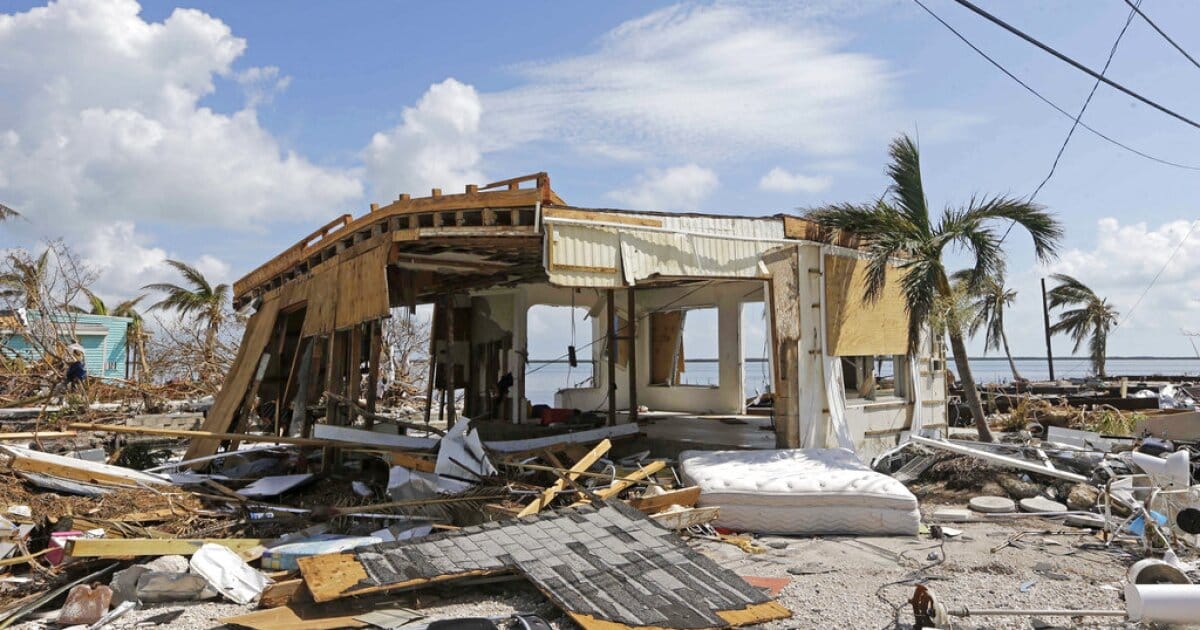
Skyrocketing insurance premiums and soaring rebuilding costs are transforming communities across Southwest Florida, especially in the wake of Hurricane Ian. As longtime residents struggle to keep up with rising financial pressure, wealthier newcomers and stricter building standards are reshaping the identity of places like Fort Myers Beach. With insurance rates now driving home sales, triggering potential foreclosures, and squeezing both owners and renters, Florida’s middle-class families face a growing question: can they afford to stay in the state they love?
Florida’s insurance industry is stabilizing fast, with nearly 1.6 million policies shifting from Citizens to private insurers and litigation dropping sharply. Regulators report stronger market confidence, decreasing premiums, and renewed competition—signaling one of the healthiest periods the state has seen in years.
A Leon County judge has ordered the restart of arbitration for Citizens Property Insurance claims, directly conflicting with a previous ruling that halted the process as potentially unconstitutional. With more than 400 cases now back in motion, real estate, insurance, and mortgage professionals can expect renewed activity in claim disputes and fresh uncertainty as Florida courts clash over the legality of Citizens’ arbitration system.
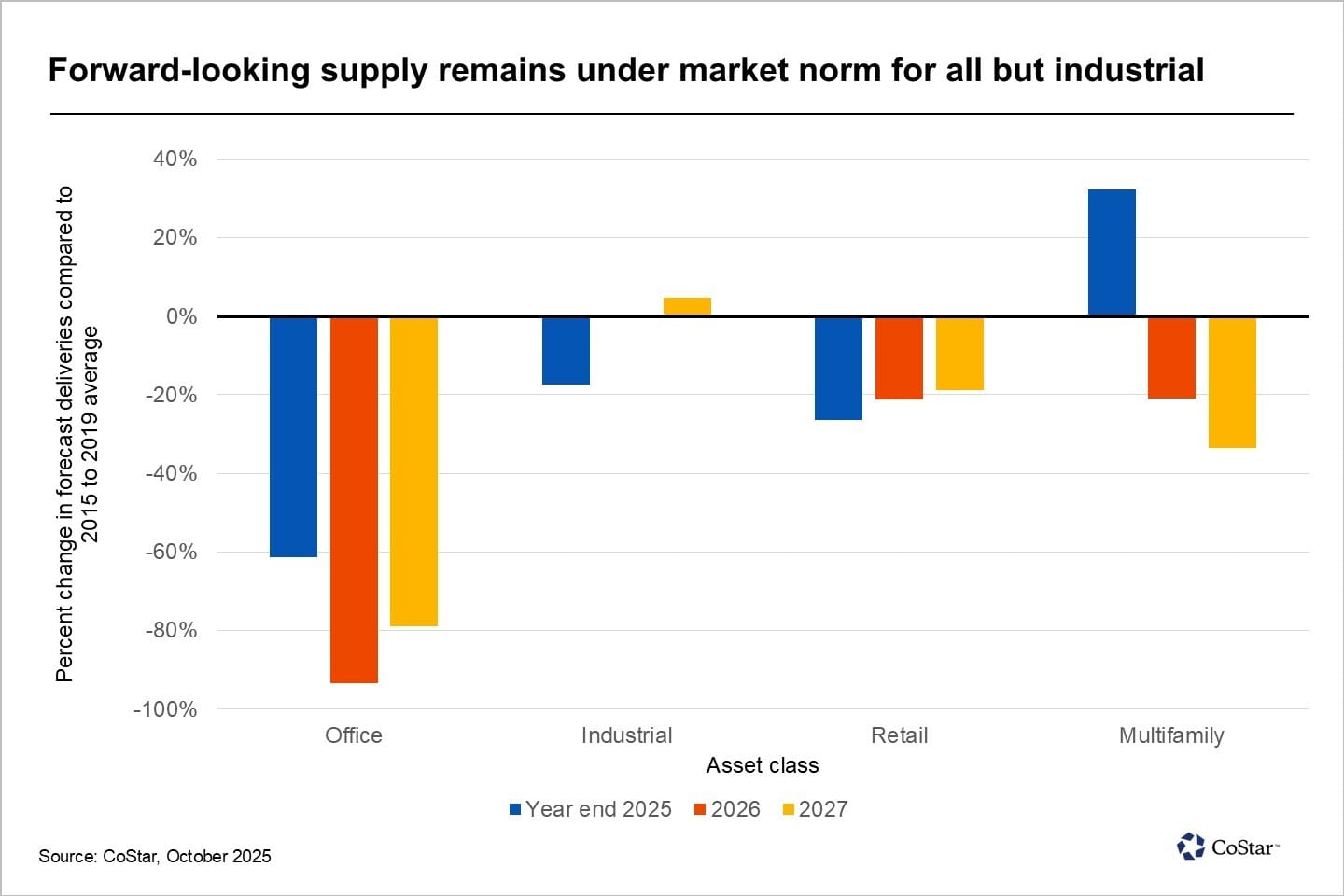
The DFW market is transitioning into a new construction phase marked by a slowdown in office development, a more selective approach to industrial projects, and an evolving housing landscape shaped by affordability and population growth. Developers are recalibrating their priorities, and for real estate professionals, understanding these shifts offers a critical edge in navigating—and capitalizing on—the next phase of the metroplex’s growth.
A new federal lawsuit claims Zillow pushed homebuyers toward Zillow Home Loans by rewarding affiliated agents with valuable leads — all without proper disclosure. The suit alleges undisclosed incentives, referral quotas, and potential RESPA violations, raising major concerns about steering, fiduciary duties, and Zillow’s expanding mortgage ambitions.
The mortgage industry is evolving fast, and the lenders who come out on top will be those who innovate without uprooting what already works. By building on strong technology foundations, streamlining workflows and adopting smart automation, lenders can reduce costs, improve customer experience and stay resilient in any market cycle. This article breaks down why innovation matters now, how a stable tech ecosystem protects lenders in volatile conditions and why small, strategic steps can drive long-term transformation.