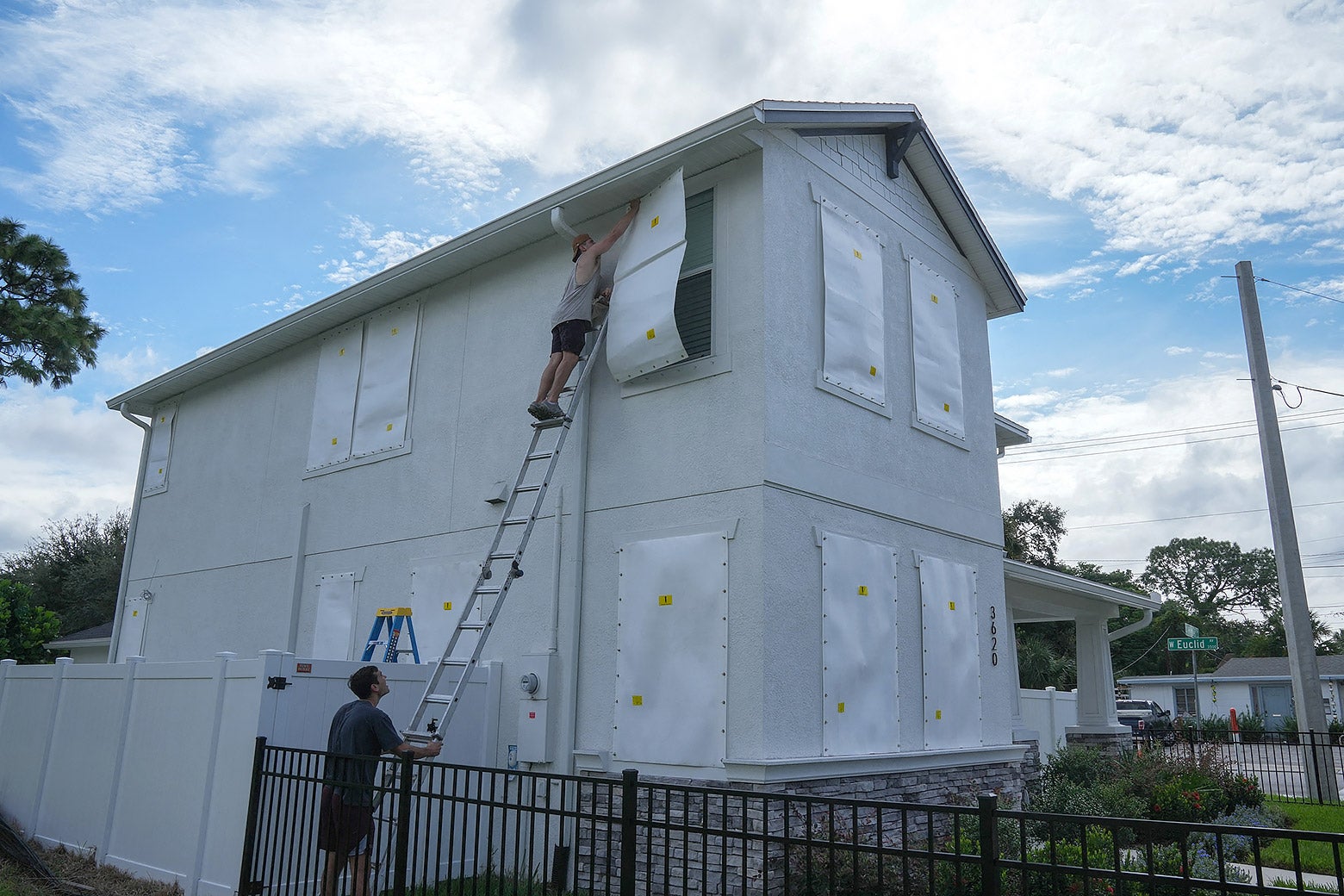
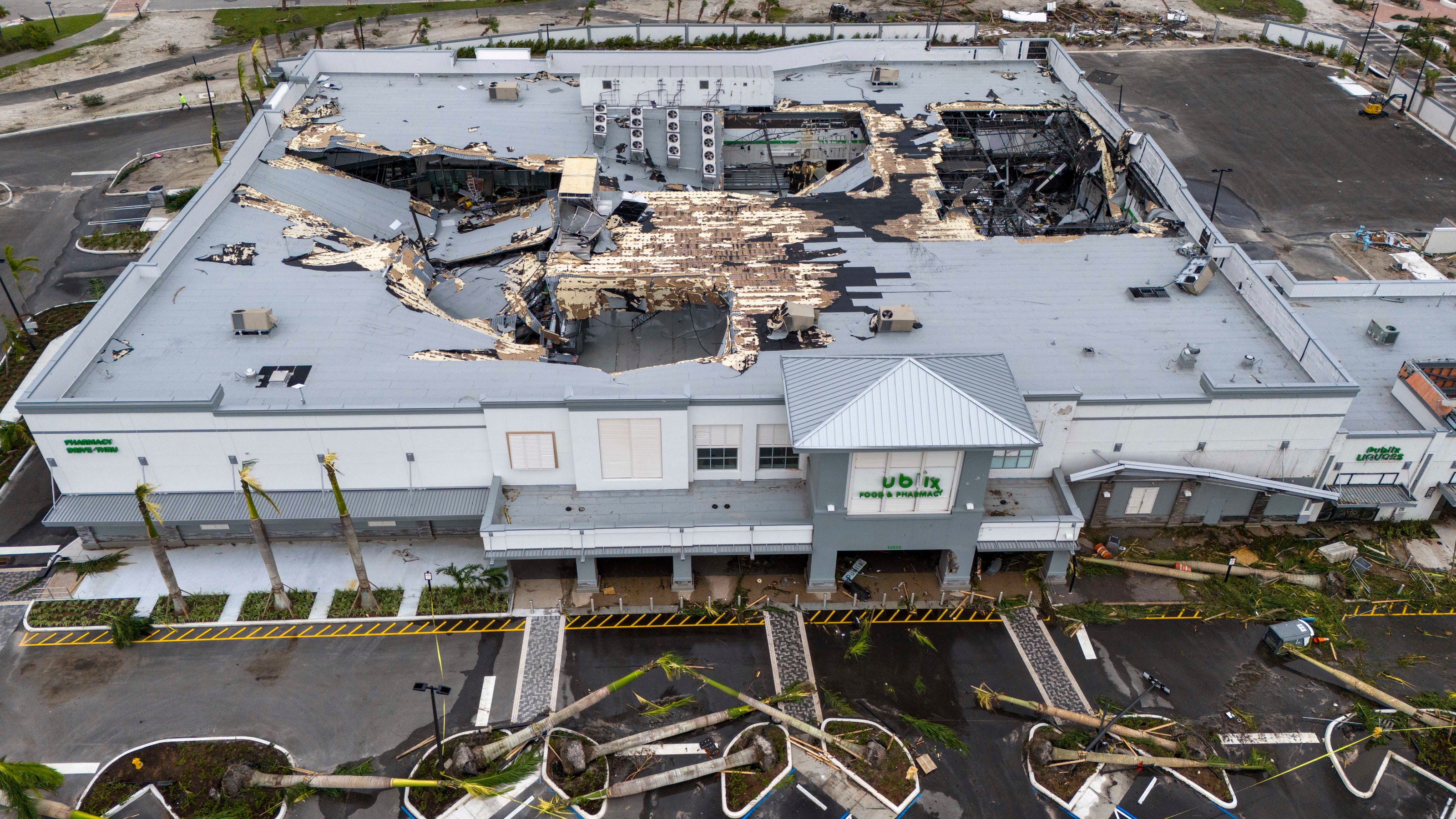
As Hurricane Milton looms over Florida’s Gulf Coast, residents brace for yet another bout of extreme weather. Despite the increasing frequency and intensity of hurricanes, wealthy homeowners in Florida seem unfazed. In fact, the impact of these natural disasters on the housing market is reshaping the demographic landscape, but not in the way one might expect.
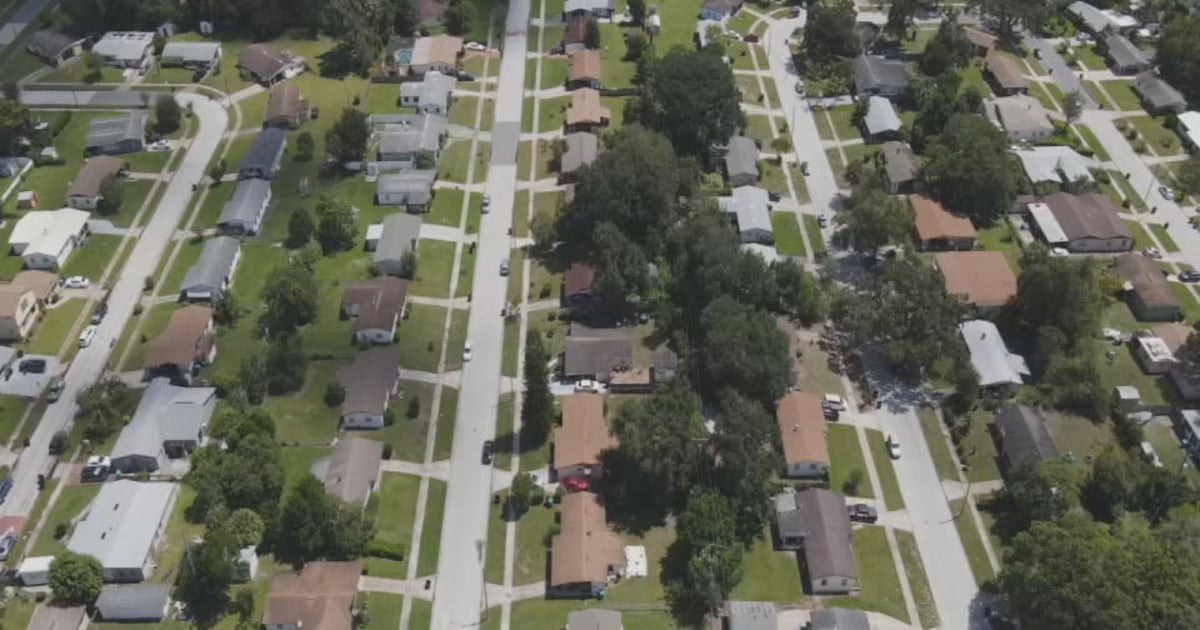
A recent Slate article delves into the phenomenon of climate migration, revealing that it’s not leading to an exodus of affluent individuals from Florida. Instead, the hurricanes are driving up housing prices and attracting higher-income groups, while lower-income residents face displacement. This trend, often referred to as “climate gentrification,” contradicts the popular notion that wealthier households would relocate to safer areas.
Florida’s post-pandemic growth has been remarkable, with the state surpassing New York as the third-most populous in the U.S. Four of the nation’s five fastest-growing metro areas are in Florida, including Cape Coral–Fort Myers, which was severely impacted by Hurricane Ian in 2022. Yet, the Wall Street Journal warns of a potential unraveling of the state’s growth due to climate challenges.
However, the data suggests otherwise. Research by Joshua Graff Zivin highlights how hurricanes constrain housing supply, leading to increased demand and higher prices. Economic instability often results in evictions, as landlords replace long-standing tenants with higher-income newcomers. The costs of recovery, such as emergency reconstruction and higher insurance premiums, are more manageable for affluent households.
Moreover, hurricanes not only drive up housing prices but also lead to demographic changes. A study by the National Low Income Housing Coalition found that affluent communities tend to lose their low-income housing stock during recovery, as landlords are incentivized to redevelop existing low-cost rentals into higher-cost housing.
In response to these challenges, some regions are taking legislative action. For instance, Sonoma County in Northern California recently passed an ordinance to pause evictions during disaster declarations. This measure aims to counter the trend of rising evictions post-disasters, but Florida has yet to implement similar rules.
Despite the insurance crisis following Hurricane Helene, the Reforming Disaster Recovery Act proposes long-term federal funding for low-income housing after disasters. Yet, the design of federal disaster assistance can sometimes lead to price gouging. For instance, in Hawai’i, rental assistance after the Lahaina fire resulted in landlords raising prices and evicting tenants.
Ultimately, the allure of Florida’s coastal properties remains strong. Even as insurance premiums rise and maintenance costs increase, people continue to pay a premium to live in these risky areas. No disaster has yet altered this calculus.
Styling and Design
More Articles
Getting licensed or staying ahead in your career can be a journey—but it doesn’t have to be overwhelming. Grab your favorite coffee or tea, take a moment to relax, and browse through our articles. Whether you’re just starting out or renewing your expertise, we’ve got tips, insights, and advice to keep you moving forward. Here’s to your success—one sip and one step at a time!
Florida homeowners — especially in hard‑hit South Florida — are set to see rare and substantial reductions in their property insurance premiums. Gov. Ron DeSantis announced an average statewide Citizens Insurance decrease of 8.7%, with even larger savings of up to 14% in counties like Miami-Dade, Broward, and Palm Beach. State officials credit recent legal and regulatory reforms for stabilizing the market, attracting new insurers, and delivering the first meaningful rate relief Floridians have seen in years.
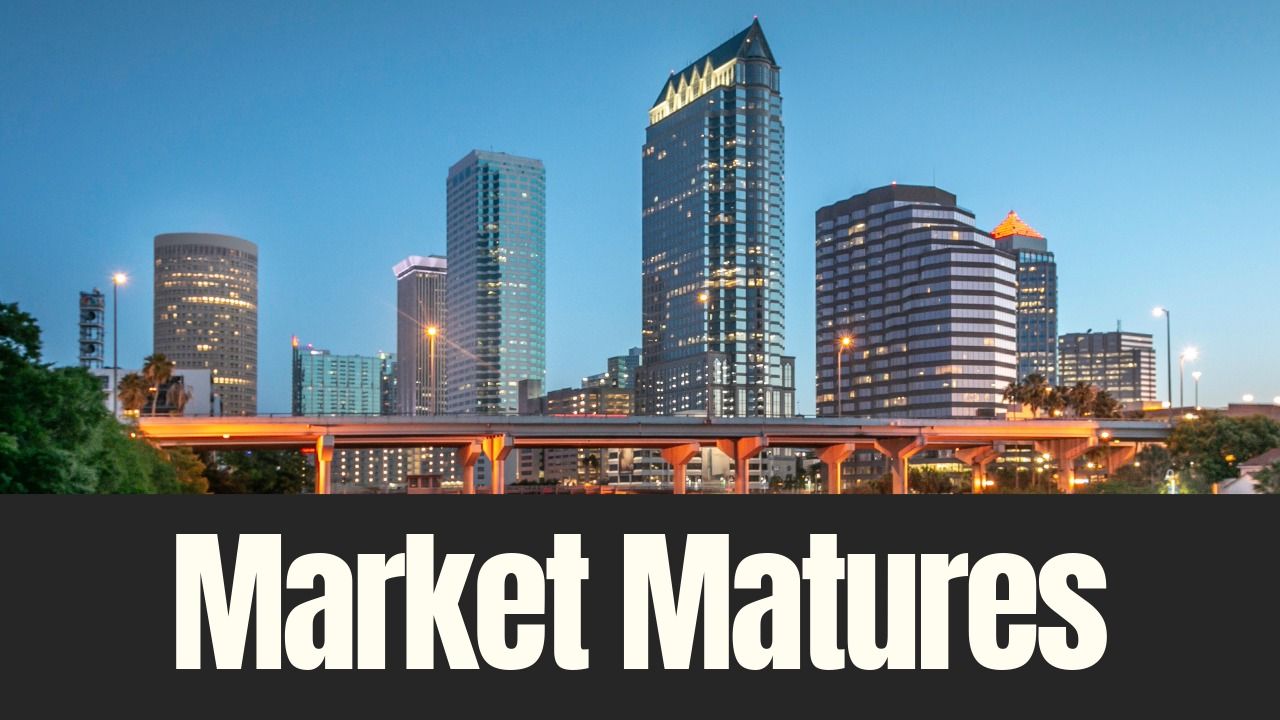
Tampa’s commercial real estate market isn’t slowing—it’s maturing. With strong population growth, rising office demand, a normalized industrial sector, resurgent retail, and an emerging health‑care real estate boom, investors are shifting from speed to strategy. Tighter underwriting, cautious capital and increased due‑diligence are shaping a more disciplined market, creating new opportunities for informed professionals.
Florida homeowners are finally seeing relief as Citizens Property Insurance announces a major 8.7% average rate decrease—far larger than originally proposed. Driven by legislative reforms, fewer lawsuits, and a calm hurricane season, the state’s once‑unstable insurance market is showing real signs of recovery. But with reduced coverage limits and shifting legal protections, experts warn that lower premiums may come with hidden trade‑offs.
After a decade of rising premiums and retreating carriers, Florida homeowners are finally seeing long‑awaited relief. Dozens of insurers have filed for rate decreases—some as high as 11%—thanks to legislative reforms and a stabilizing market. Early approvals are already hitting counties across the state, and experts say the momentum could boost buyer confidence, affordability, and competition throughout Florida’s real estate and insurance sectors.
After years of slowed activity caused by rising interest rates, the self‑storage industry is heating up again. New data from Marcus & Millichap shows a fresh market cycle emerging, driven by renewed buyer confidence, recalibrated pricing, and stronger lender participation. Acquisitions are rebounding, development is resetting in a healthier direction, and financing conditions are improving—creating one of the most promising investment landscapes the sector has seen in years.
Brookline’s newly updated FEMA flood maps identify 97 high‑risk parcels, but local experts warn the true threat is far greater. While FEMA highlights river‑based flooding around Leverett Pond and the Muddy River, alternative models show more than 1,300 Brookline properties at risk within 30 years. Hidden vulnerabilities along major corridors like Beacon Street, rising rainfall intensity, aging infrastructure, and climate‑driven storm patterns suggest that many “low‑risk” areas may be anything but safe.