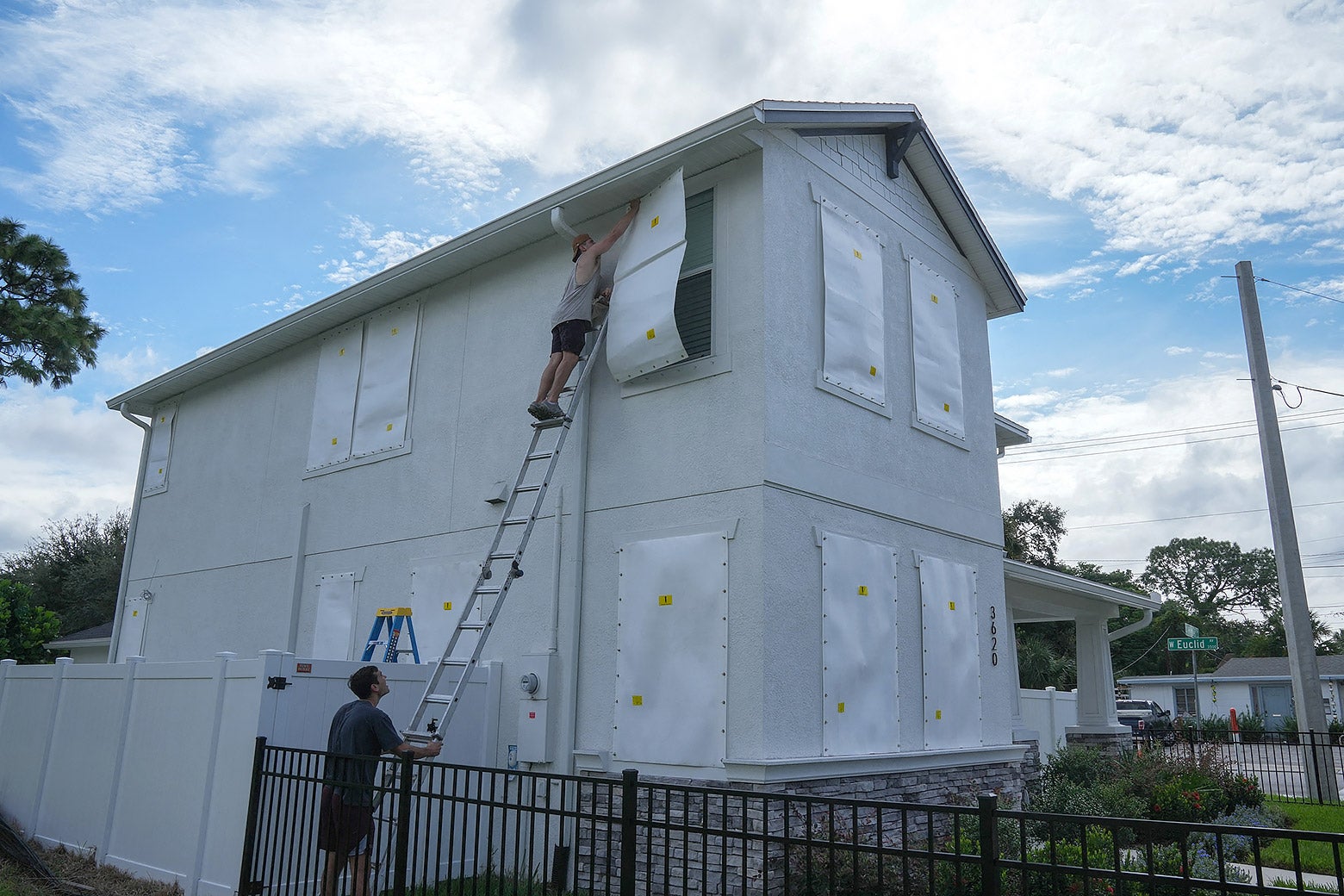
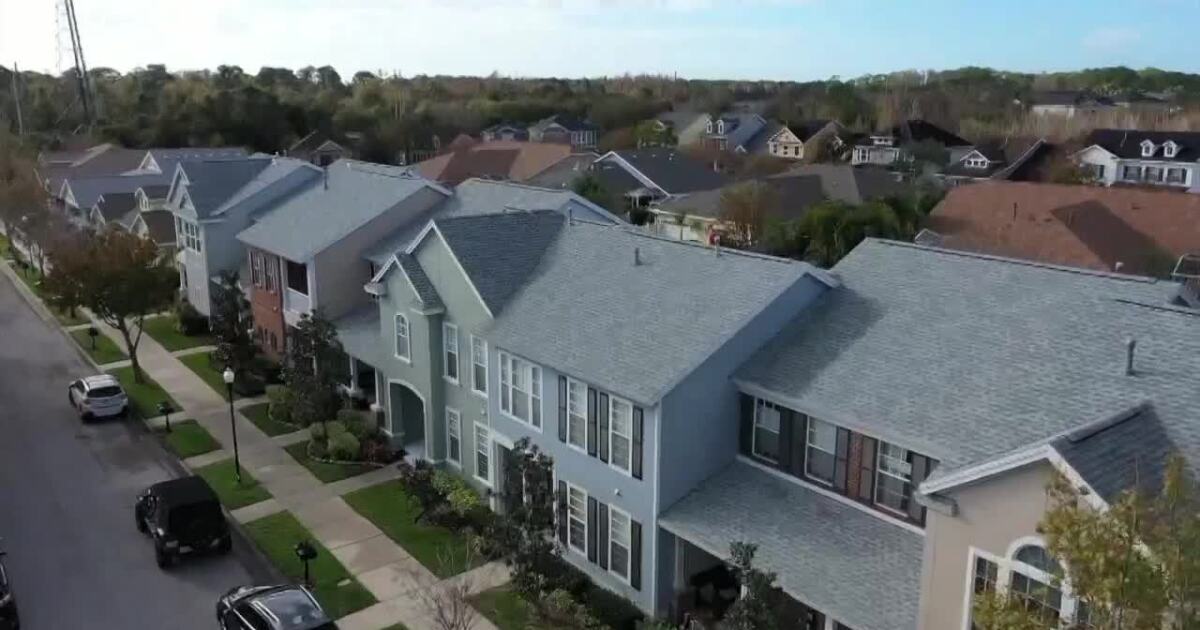
As Hurricane Milton looms over Florida’s Gulf Coast, residents brace for yet another bout of extreme weather. Despite the increasing frequency and intensity of hurricanes, wealthy homeowners in Florida seem unfazed. In fact, the impact of these natural disasters on the housing market is reshaping the demographic landscape, but not in the way one might expect.
A recent Slate article delves into the phenomenon of climate migration, revealing that it’s not leading to an exodus of affluent individuals from Florida. Instead, the hurricanes are driving up housing prices and attracting higher-income groups, while lower-income residents face displacement. This trend, often referred to as “climate gentrification,” contradicts the popular notion that wealthier households would relocate to safer areas.
Florida’s post-pandemic growth has been remarkable, with the state surpassing New York as the third-most populous in the U.S. Four of the nation’s five fastest-growing metro areas are in Florida, including Cape Coral–Fort Myers, which was severely impacted by Hurricane Ian in 2022. Yet, the Wall Street Journal warns of a potential unraveling of the state’s growth due to climate challenges.
However, the data suggests otherwise. Research by Joshua Graff Zivin highlights how hurricanes constrain housing supply, leading to increased demand and higher prices. Economic instability often results in evictions, as landlords replace long-standing tenants with higher-income newcomers. The costs of recovery, such as emergency reconstruction and higher insurance premiums, are more manageable for affluent households.
Moreover, hurricanes not only drive up housing prices but also lead to demographic changes. A study by the National Low Income Housing Coalition found that affluent communities tend to lose their low-income housing stock during recovery, as landlords are incentivized to redevelop existing low-cost rentals into higher-cost housing.
In response to these challenges, some regions are taking legislative action. For instance, Sonoma County in Northern California recently passed an ordinance to pause evictions during disaster declarations. This measure aims to counter the trend of rising evictions post-disasters, but Florida has yet to implement similar rules.
Despite the insurance crisis following Hurricane Helene, the Reforming Disaster Recovery Act proposes long-term federal funding for low-income housing after disasters. Yet, the design of federal disaster assistance can sometimes lead to price gouging. For instance, in Hawai’i, rental assistance after the Lahaina fire resulted in landlords raising prices and evicting tenants.
Ultimately, the allure of Florida’s coastal properties remains strong. Even as insurance premiums rise and maintenance costs increase, people continue to pay a premium to live in these risky areas. No disaster has yet altered this calculus.
Styling and Design
More Articles
Getting licensed or staying ahead in your career can be a journey—but it doesn’t have to be overwhelming. Grab your favorite coffee or tea, take a moment to relax, and browse through our articles. Whether you’re just starting out or renewing your expertise, we’ve got tips, insights, and advice to keep you moving forward. Here’s to your success—one sip and one step at a time!
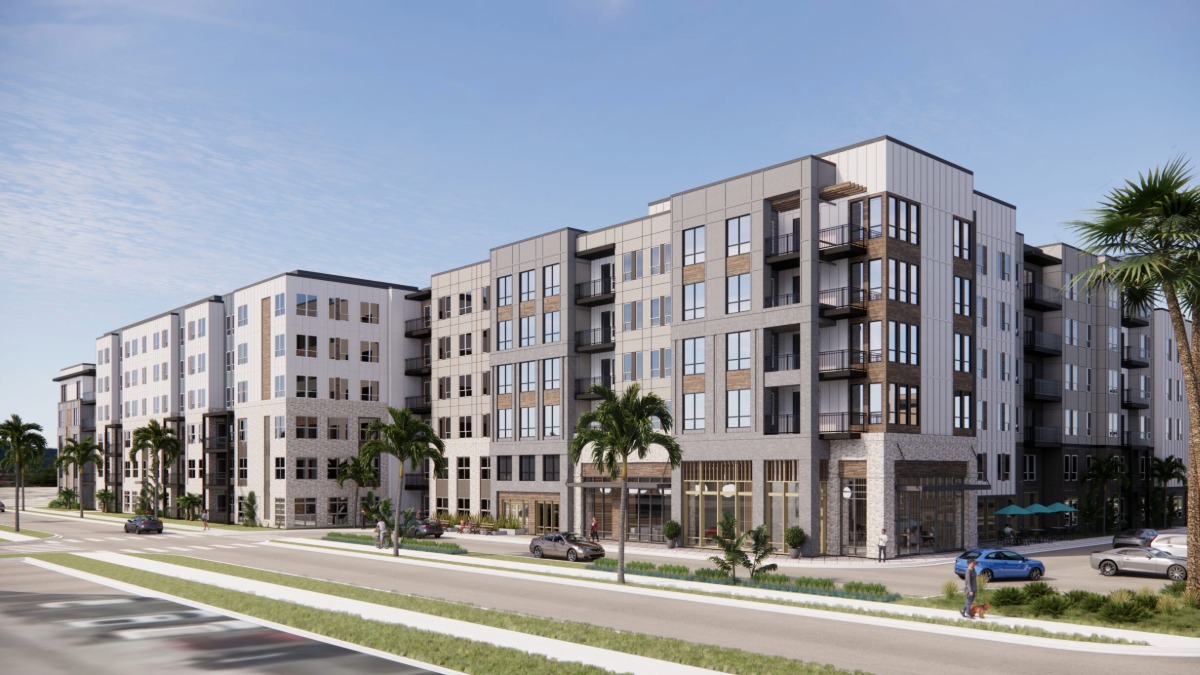
Landmark Properties has officially begun construction on The Mark Tampa, a six‑story luxury student community featuring over 800 beds, rooftop amenities, study spaces, retail, and modern unit layouts. Set to open before the 2027–2028 school year, the project signals strong investor confidence in North Tampa’s booming student housing market.
Florida’s property and auto insurance crisis is intensifying, setting the stage for a major political showdown ahead of the 2026 elections. Republicans argue recent reforms are finally stabilizing the market, while Democrats insist families are being crushed by soaring premiums and can’t wait for relief. With homeowners, condo associations, and insurers all feeling the pressure, lawmakers are preparing for one of the most consequential legislative battles in years.
Markets are betting heavily on a Federal Reserve rate cut in December, but that doesn’t guarantee lower mortgage rates. Even with an 85% chance of a cut priced in, mortgage rates move more with the 10‑year Treasury than the Fed itself — and recent history shows rates can rise even when the Fed eases. Today’s 6.43% average rate is the lowest in over a year, but still unpredictable, making financial readiness more important than trying to time the market.
Grand Junction is experiencing a powerful commercial real estate upswing, with 151 commercial units closed so far in 2025—a 36% jump from last year. Building permits are also up 23%, signaling expanding development momentum. Brokers say interest from national chains is accelerating the city’s evolution, bringing jobs, investment, and long‑term economic potential to Colorado’s Western Slope.
Nashville continues its rise as one of the nation’s most attractive real estate markets, landing the #6 spot in the Emerging Trends in Real Estate 2026 report from PwC and ULI. With strong demographic momentum, business expansion, and a development pipeline drawing national eyes, the city stands out amid shifting economic conditions. The report highlights fast‑growing sectors such as data centers, senior housing, and evolving office dynamics—offering real estate professionals valuable insight into where opportunities are emerging next.
Canada’s commercial real estate sector continues to evolve rapidly, with new data revealing major transactions, shifting investment patterns, and emerging economic signals across the country. From resilient retail spending to cooling construction and regional standouts like Montreal and the Prairies, this week’s CRE pulse—powered by Altus Group’s research team—gives real estate, mortgage, and finance professionals a sharp snapshot of the market forces to watch as 2025 winds down.