Florida Emerges as Prime Destination for Short-Term Rental Investments

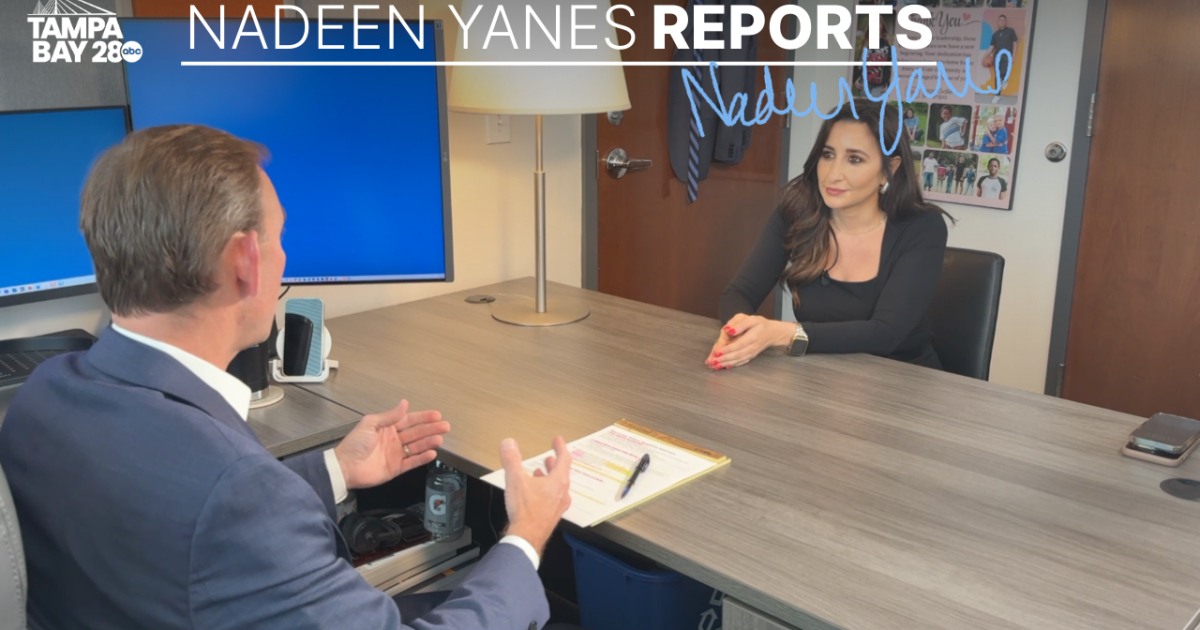
In a comprehensive study conducted by Clever Real Estate in collaboration with Rabbu.com, Tampa, Florida has been identified as the premier city in the United States for investing in short-term rentals. This study meticulously analyzed various factors, such as median home prices, occupancy rates, and fluctuations in property values, to determine the most lucrative Airbnb investment markets across the nation. Read more here.

Tampa’s real estate market is thriving, having experienced a remarkable 71.6% increase in property values over the past five years, which is 55% higher than the median city in the study. The metro area boasts an impressive 16,020 property listings, tripling the median city average, alongside a respectable 44.8% Airbnb occupancy rate and an average annual Airbnb revenue of $52,705. These compelling statistics underscore Tampa’s allure for potential investors.

Top 10 U.S. Cities for Short-Term Rental Investments

  • Tampa, FL
  • Orlando, FL
  • Jacksonville, FL
  • Boston, MA
  • Miami, FL
  • Buffalo, NY
  • Columbus, OH
  • Chicago, IL
  • Providence, RI
  • Kansas City, MO

Conversely, San Jose, California is identified as the least attractive market for short-term rental investments. The city grapples with a high median home sale price of $1,447,955, which is over four times the national average, and a low number of just 1,296 listed properties, leading to a 76% decrease compared to the median. Consequently, San Jose has been assigned the lowest Rabbu return on investment score in America.

10 Worst Short-Term Rental Markets in the U.S.

  • San Jose, CA
  • Birmingham, AL
  • San Antonio, TX
  • Houston, TX
  • Sacramento, CA
  • Raleigh, NC
  • Riverside, CA
  • San Francisco, CA
  • Oklahoma City, OK
  • Pittsburgh, PA

Additionally, a survey conducted by Clever involving 1,000 Americans revealed that 76% of respondents have a favorable outlook towards Airbnbs, with 60% rating short-term rentals above hotels in terms of quality and 67% noting improved comfort. Nonetheless, a significant 96% identified disadvantages, such as misleading property descriptions, a lack of on-site assistance, and safety concerns.

Safety remains a concern, as only 44% of respondents perceive Airbnbs as safer than hotels—a viewpoint possibly exacerbated by rising crime rates. Emir Dukic, founder of Rabbu, commented, “We continue to observe growing interest from our user base in investing in short-term rentals and vacation homes, despite current interest rates. Although returns are somewhat compressed compared to previous years, the best properties in our top markets consistently generate double-digit returns.”

For those considering venturing into the short-term rental market, Tampa and other thriving cities present enticing opportunities. This extensive analysis offers valuable insights for potential investors eager to capitalize on the flourishing short-term rental market.


More Articles

Getting licensed or staying ahead in your career can be a journey—but it doesn’t have to be overwhelming. Grab your favorite coffee or tea, take a moment to relax, and browse through our articles. Whether you’re just starting out or renewing your expertise, we’ve got tips, insights, and advice to keep you moving forward. Here’s to your success—one sip and one step at a time!

Florida Real Estate Pre-License Class Starting April 13, 2026 – Only 9 Seats Left | Cameron Academy Orlando

Cameron Academy's state-approved 63-hour Florida Real Estate Sales Associate Pre-License Course begins April 13, 2026 at the Dr. Phillips campus in Orlando. Attend in person or join live via Zoom. Morning schedule, expert instruction, and only 14 seats remaining. Enroll now before this class fills up.

How to Pass the Florida Real Estate Exam on Your First Try (From People Who Did It – With Videos)

The Florida real estate licensing exam is the single biggest gatekeeper between you and a career in one of the nation's most active real estate markets. And the numbers don't sugarcoat it: roughly half of all first-time test-takers in Florida walk out without a passing score. According to data compiled by Colibri Real Estate, Florida's first-time pass rate sits at approximately 51%, with about 41,900 candidates taking the exam each year.

By |March 20, 2026|Categories: Article, Cameron Academy Post|0 Comments

Part-Time vs. Full-Time: Can You Get Your Real Estate License While Working a 9-to-5?

Part-Time vs. Full-Time: Can You Get Your Real Estate License While Working a 9‑to‑5? The honest, data-backed guide to earning your license around a day #ReadMore

By |March 19, 2026|Categories: Article, Cameron Academy Post|0 Comments

Realtor Advocacy Secures Major Wins in Florida’s 2026 Legislative Session

Florida’s 2026 legislative session brought significant victories for real estate professionals, with Realtor advocacy preserving key regulatory structures, strengthening property rights, improving major housing programs, and protecting agents from new liabilities. From blocking the dismantling of the Florida Real Estate Commission to advancing bills that support safer, more transparent transactions, these wins shape a more stable future for Florida agents, brokers, and consumers.

AI Listing Photos Are Becoming Too Real — And Too Misleading

AI‑enhanced listing images are transforming real estate marketing, but they’re also creating a growing trust problem. Tools that once simply brightened rooms can now erase damage, add furniture, or even generate entirely new scenes, fueling a trend known as “housefishing.” As complaints rise and states like California introduce disclosure laws, the industry is being forced to confront a new reality: the more perfect the photos get, the more renters and buyers crave authenticity.

Hurricane Milton Supplemental Claim Deadline Approaches for Florida Homeowners

Florida homeowners hit by Hurricane Milton face an important April 9 deadline to file or reopen supplemental insurance claims. With more than 385,000 claims and over 5.6 billion dollars in losses already reported, experts warn that waiting until construction is completed could leave families without the additional funds they’re owed. An 18‑month window applies to supplemental claims, and missing it could cause insurance companies to deny further reimbursement.