Florida’s Tort Reforms: A Surprising Economic Boost Reshaping Insurance and Business Costs
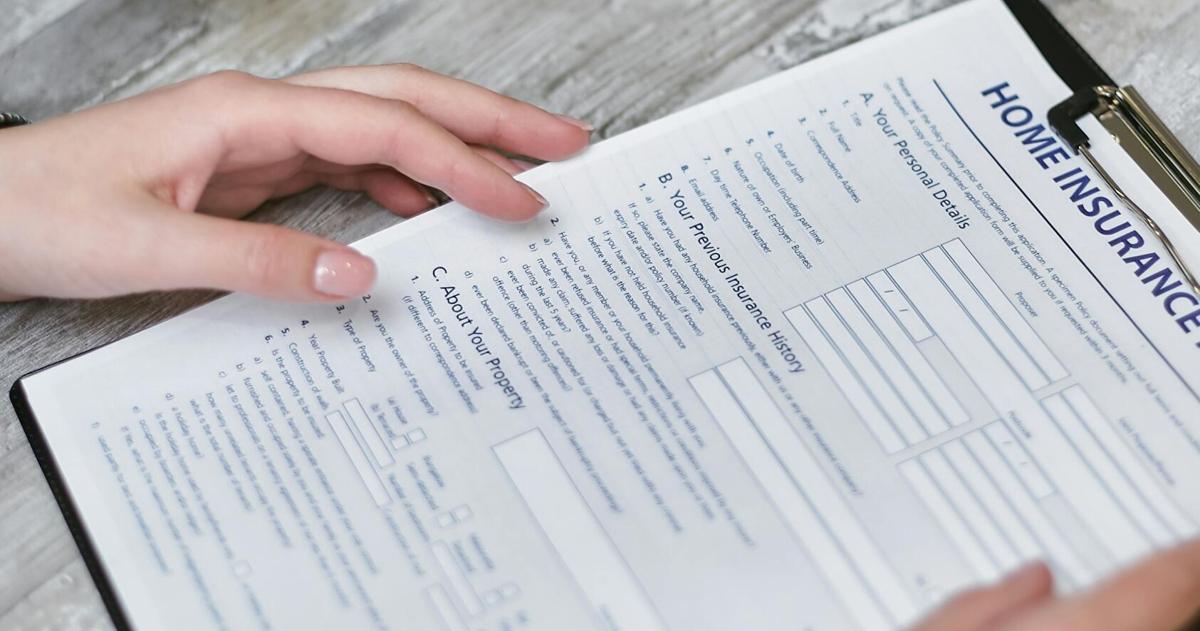
Florida’s recent tort reform changes are doing more than streamlining legal processes—they’re radically reshaping the state’s insurance landscape and delivering a measurable economic boost. A February analysis by The Perryman Group reveals that these reforms have driven down property and casualty insurance expenses while injecting billions into Florida’s wider economic engine.
The reforms have lowered insurance costs by an average of 14.5% compared to projected rates without the legislative shift. For Florida homeowners, professionals, and business owners, this is more than a discount—it’s a meaningful increase in financial breathing room and a stronger, more competitive insurance marketplace.
A Multi‑Billion Dollar Ripple Effect
Lower insurance expenses boost consumer and business spending power, triggering economic benefits statewide. According to the study, Florida is experiencing more than $4.2 billion in additional annual gross product resulting from these savings—supporting an estimated 29,370 jobs when multiplier effects are included.
Government coffers are benefiting as well. Increased economic activity is expected to generate $206.6 million in annual tax revenue for the state and another $155.3 million for local governments—critical fuel for Florida’s rapidly growing infrastructure needs.
How Reforms Reshaped Florida’s Legal Landscape
Recent legislative updates were designed to rebalance Florida’s historically litigious civil environment. Key changes included adjustments to negligence standards, a shortened statute of limitations, revisions to attorney fee structures, and the elimination of several one‑way attorney fee provisions. Importantly, lawmakers also reduced the ability to exploit assignments of benefits—once blamed for ballooning insurance litigation.
The impact is apparent. Insurers are re‑entering the Florida market, hundreds of thousands of policies are shifting back to private carriers, and property insurance lawsuits dropped by 25% in early 2025 compared to the prior year.
A More Competitive Market, A Stronger Florida
Researchers note that these reforms help limit excessive litigation costs while preserving fair compensation for injured parties. A more balanced system fosters healthier business growth, reduces market volatility, and ultimately lowers consumer expenses. The result: a more resilient, economically agile Florida.
To dive deeper into the analysis, explore the original reporting from Gulfshore Business and the full Perryman Group study provided by APCI.
Professionals across real estate, insurance, finance, and other sectors—especially those trained through Cameron Academy—gain an advantage by understanding how Florida’s evolving legal and insurance environments influence market stability and long‑term opportunity. Staying informed helps experts provide stronger guidance, smarter strategies, and more confident decision‑making.
Getting licensed or staying ahead in your career can be a journey—but it doesn’t have to be overwhelming. Grab your favorite coffee or tea, take a moment to relax, and browse through our articles. Whether you’re just starting out or renewing your expertise, we’ve got tips, insights, and advice to keep you moving forward. Here’s to your success—one sip and one step at a time!
Cameron Academy's state-approved 63-hour Florida Real Estate Sales Associate Pre-License Course begins April 13, 2026 at the Dr. Phillips campus in Orlando. Attend in person or join live via Zoom. Morning schedule, expert instruction, and only 14 seats remaining. Enroll now before this class fills up.
The Florida real estate licensing exam is the single biggest gatekeeper between you and a career in one of the nation's most active real estate markets. And the numbers don't sugarcoat it: roughly half of all first-time test-takers in Florida walk out without a passing score. According to data compiled by Colibri Real Estate, Florida's first-time pass rate sits at approximately 51%, with about 41,900 candidates taking the exam each year.
Part-Time vs. Full-Time: Can You Get Your Real Estate License While Working a 9‑to‑5? The honest, data-backed guide to earning your license around a day #ReadMore
Florida’s 2026 legislative session brought significant victories for real estate professionals, with Realtor advocacy preserving key regulatory structures, strengthening property rights, improving major housing programs, and protecting agents from new liabilities. From blocking the dismantling of the Florida Real Estate Commission to advancing bills that support safer, more transparent transactions, these wins shape a more stable future for Florida agents, brokers, and consumers.
AI‑enhanced listing images are transforming real estate marketing, but they’re also creating a growing trust problem. Tools that once simply brightened rooms can now erase damage, add furniture, or even generate entirely new scenes, fueling a trend known as “housefishing.” As complaints rise and states like California introduce disclosure laws, the industry is being forced to confront a new reality: the more perfect the photos get, the more renters and buyers crave authenticity.
Florida homeowners hit by Hurricane Milton face an important April 9 deadline to file or reopen supplemental insurance claims. With more than 385,000 claims and over 5.6 billion dollars in losses already reported, experts warn that waiting until construction is completed could leave families without the additional funds they’re owed. An 18‑month window applies to supplemental claims, and missing it could cause insurance companies to deny further reimbursement.