Fluctuating Real Estate Market: An Insight
Deep Dive into Home Price Trends and Market Projections
The U.S. housing market has experienced a significant surge in home prices, marking the largest annual increase since February 2023. In August alone, home prices recorded a remarkable 3.7% gain. While this upward trend has been observed across the country, there are specific housing markets where prices are projected to decline.
In this article, we will explore the factors driving the rise in home prices and delve into the markets that are likely to experience price drops. By analyzing these trends, we aim to provide valuable insights into the current state of the real estate market and its potential impact on buyers and sellers.
Join us as we navigate through the intricacies of the housing market, uncovering the driving forces behind the price increase and shedding light on the markets where caution may be warranted.
Key Drivers of Home Price Increase
The surge in home prices can be attributed to a convergence of several key factors. Firstly, historically low mortgage rates have enticed buyers to enter the market, driving up demand. Additionally, the limited housing supply has created a competitive landscape, with more buyers vying for fewer available properties. This imbalance between supply and demand has naturally led to an increase in prices.

Markets Likely to Witness Price Drops
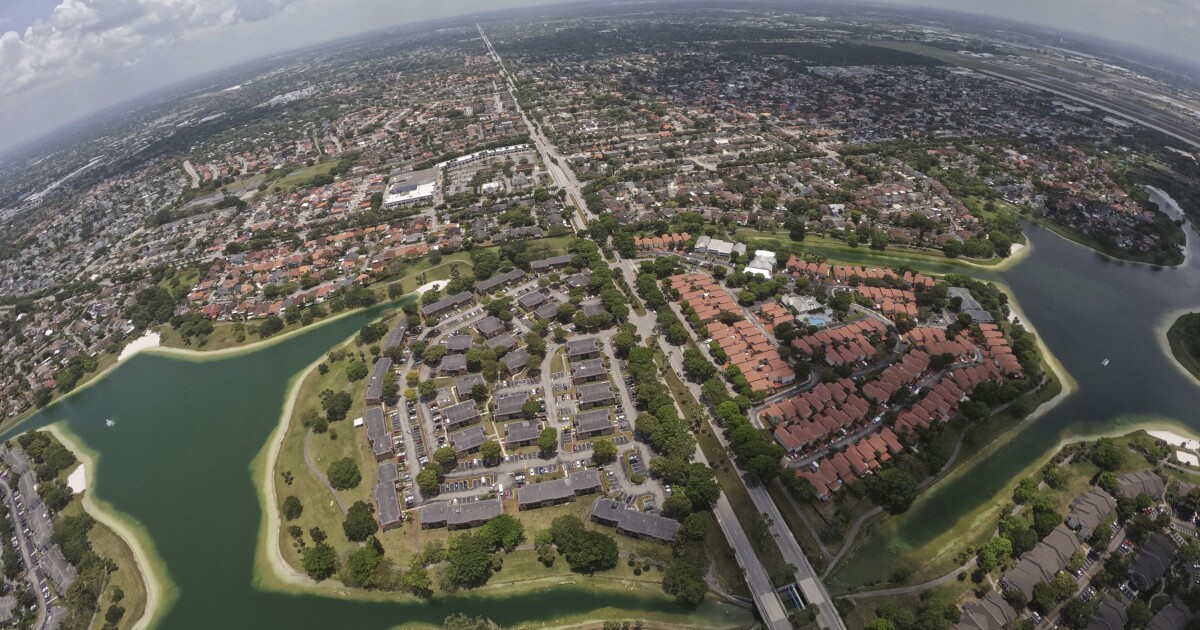
While the overall housing market has experienced significant growth, certain markets are expected to see price declines. According to a report by CoreLogic, housing markets in San Francisco, New York City, Miami, and Chicago are among those projected to experience price drops. These markets have unique factors contributing to the expected decline, such as a high cost of living, the lingering impact of the COVID-19 pandemic, influence from international buyers, and population decline.
It is important for potential buyers and sellers to be aware of these market dynamics and consider them when making real estate decisions. Understanding the local housing market conditions can help individuals navigate the complexities and make informed choices.

Implications and Future Outlook of Real Estate Market
Understanding the Impact of Price Drops
The projected price drops in specific housing markets should not overshadow the overall strength of the housing market. It is crucial to consider these price declines in the context of the broader real estate landscape. While some markets may experience temporary setbacks, the housing market as a whole remains robust.
Buyers and sellers should stay informed about local housing market conditions, as this knowledge can guide their decisions and help them seize opportunities. By understanding the factors driving the rise in home prices and the markets where prices are likely to fall, individuals can navigate the real estate landscape with confidence.

Opportunities in the Real Estate Market
As the U.S. housing market continues to evolve, it is essential for buyers and sellers to stay informed and adapt to changing conditions. The rise in home prices signifies a thriving market, while the projected price drops in specific markets highlight the importance of local knowledge and market awareness.
At Cameron Academy, we understand the significance of staying ahead in the real estate industry. Our nationally recognized career education school offers a range of online courses designed for busy professionals across various industries. Led by our founder and CEO, Michael Cameron, who has over 20 years of experience in the career education industry, we provide innovative and interactive learning experiences tailored to individual needs and goals.
Advance Your Career with Cameron Academy
Are you ready to take your career to new heights? Explore our online courses and discover the opportunities that await you. Whether you’re a general professional or an early career professional, our courses are designed to equip you with the knowledge and skills you need to succeed in today’s competitive market.
Enroll today and unlock a world of possibilities.
Embark on Your Career Journey
Visit our website to learn more about our courses, certifications, and state-specific real estate education. Take the first step towards achieving your professional goals.
Explore Our Courses