Foreign Investments in U.S. Real Estate: A Double-Edged Sword

In recent years, foreign investment in U.S. real estate has surged to unprecedented levels, surpassing 1.2 trillion dollars over the past 15 years. This influx has sparked a robust debate among scholars and policymakers about the potential threats and benefits posed by such investments.
The increase in foreign-owned agricultural land has raised national security concerns, particularly when these investments occur near sensitive military locations. For instance, a Chinese company’s purchase of 370 acres near an Air Force base in North Dakota led to significant criticism and highlighted the potential risks involved.
Regulatory Measures and Challenges The regulation of foreign investments traditionally falls under the purview of the Committee on Foreign Investments in the United States (CFIUS). However, scholars argue that existing frameworks may prioritize financial gains over national security. The Government Accountability Office (GAO) has recommended improving data accessibility to enhance oversight and mitigate risks.
On the economic front, foreign investments have been linked to rising housing prices, exacerbating affordability issues in cities across the nation. The effects of foreign capital influx are particularly pronounced in places like California, where home prices have surged by 30%, as noted in a study published in the Review of Financial Studies.

State-Level Responses and Policy Innovations

In response to these challenges, some states have enacted laws to curb foreign ownership. For example, Oklahoma has implemented measures preventing noncitizens from acquiring land, while Louisiana has restricted purchases by entities from countries deemed adversarial.
Meanwhile, scholars from the Brookings Institution suggest leveraging the Corporate Transparency Act to increase transparency in real estate ownership through shell companies. This approach mirrors successful initiatives in the UK that have curbed offshore investments.
Balancing Act As the debate continues, the U.S. faces a complex balancing act between attracting foreign capital and safeguarding national interests. The insights from the original article emphasize the need for nuanced regulatory strategies that address both economic and security concerns.


More Articles

Getting licensed or staying ahead in your career can be a journey—but it doesn’t have to be overwhelming. Grab your favorite coffee or tea, take a moment to relax, and browse through our articles. Whether you’re just starting out or renewing your expertise, we’ve got tips, insights, and advice to keep you moving forward. Here’s to your success—one sip and one step at a time!

Why Toronto’s Real Estate Market Is a Rollercoaster Using Would You Rather Decisions

By 2022, the average cost had skyrocketed to $1.19 million. That’s, like, a 28% increase in just three years! But as with all wild parties, there was an inevitable hangover.

By |January 19, 2025|Categories: Article, Market Analysis, Real Estate|Tags: , |0 Comments

TikTok’s Ban: US Social Media Frenzy

"And let’s not forget this might be the start of a multi-platform domino effect. If TikTok is toast, Instagram Reels, YouTube Shorts, or bizarre TikTok lookalikes (looking at you, Lemon8) are poised to swoop in and capitalize."

By |January 19, 2025|Categories: Article, Humor, Technology|Tags: |0 Comments

Sutter Health’s Innovative Approach to Sepsis Management

Sutter Health is pioneering a transformative approach in critical care by introducing the FloPatch, a novel wearable device aimed at enhancing clinical decision-making. This initiative focuses on improving sepsis management within intensive care units (ICUs), leveraging real-time data to support critical treatment decisions.

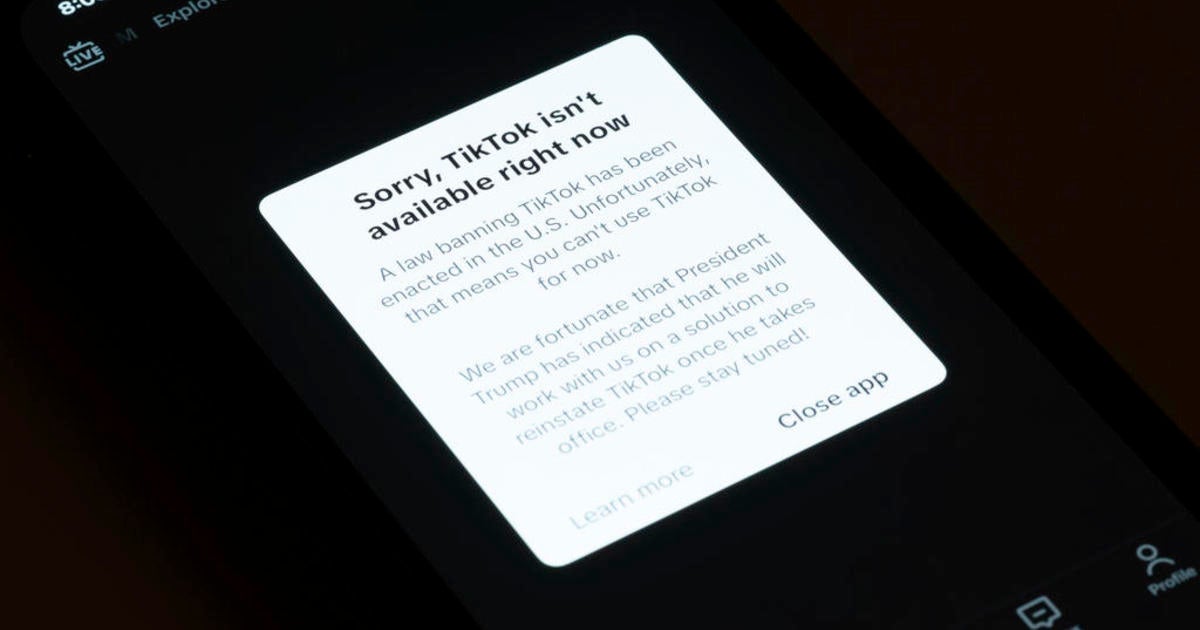
TikTok Ban in the U.S.: A Landmark Moment in National Security

TikTok, the immensely popular social media app, is now banned in the United States following a Supreme Court ruling that mandated the app to sever ties with its China-based parent company, ByteDance, or face a ban.

AI and Robotics Revolutionizing Indian Healthcare

AI is poised to revolutionize the diagnostic process, enabling more accurate and faster diagnoses than ever before. Traditional methods, which rely heavily on manual interpretations of medical images, often suffer from delays and errors. In contrast, AI-driven diagnostic tools can swiftly analyze vast amounts of medical data, including X-rays, MRIs, and CT scans, with remarkable precision. This technology is already being leveraged for the early detection of diseases such as cancer and diabetic retinopathy, making diagnostics more efficient and accessible than ever.

By |January 19, 2025|Categories: Article, Healthcare, Technology|Tags: , |0 Comments

Embracing Smart Renovations: Europe’s Path to Sustainable Building

Currently, buildings account for over 30% of the EU's environmental footprint, a staggering figure that underscores the urgency of reform.