Foreign Investments in U.S. Real Estate: A Double-Edged Sword

In recent years, foreign investment in U.S. real estate has surged to unprecedented levels, surpassing 1.2 trillion dollars over the past 15 years. This influx has sparked a robust debate among scholars and policymakers about the potential threats and benefits posed by such investments.
The increase in foreign-owned agricultural land has raised national security concerns, particularly when these investments occur near sensitive military locations. For instance, a Chinese company’s purchase of 370 acres near an Air Force base in North Dakota led to significant criticism and highlighted the potential risks involved.
Regulatory Measures and Challenges The regulation of foreign investments traditionally falls under the purview of the Committee on Foreign Investments in the United States (CFIUS). However, scholars argue that existing frameworks may prioritize financial gains over national security. The Government Accountability Office (GAO) has recommended improving data accessibility to enhance oversight and mitigate risks.
On the economic front, foreign investments have been linked to rising housing prices, exacerbating affordability issues in cities across the nation. The effects of foreign capital influx are particularly pronounced in places like California, where home prices have surged by 30%, as noted in a study published in the Review of Financial Studies.

State-Level Responses and Policy Innovations

In response to these challenges, some states have enacted laws to curb foreign ownership. For example, Oklahoma has implemented measures preventing noncitizens from acquiring land, while Louisiana has restricted purchases by entities from countries deemed adversarial.
Meanwhile, scholars from the Brookings Institution suggest leveraging the Corporate Transparency Act to increase transparency in real estate ownership through shell companies. This approach mirrors successful initiatives in the UK that have curbed offshore investments.
Balancing Act As the debate continues, the U.S. faces a complex balancing act between attracting foreign capital and safeguarding national interests. The insights from the original article emphasize the need for nuanced regulatory strategies that address both economic and security concerns.

More Articles

Getting licensed or staying ahead in your career can be a journey—but it doesn’t have to be overwhelming. Grab your favorite coffee or tea, take a moment to relax, and browse through our articles. Whether you’re just starting out or renewing your expertise, we’ve got tips, insights, and advice to keep you moving forward. Here’s to your success—one sip and one step at a time!

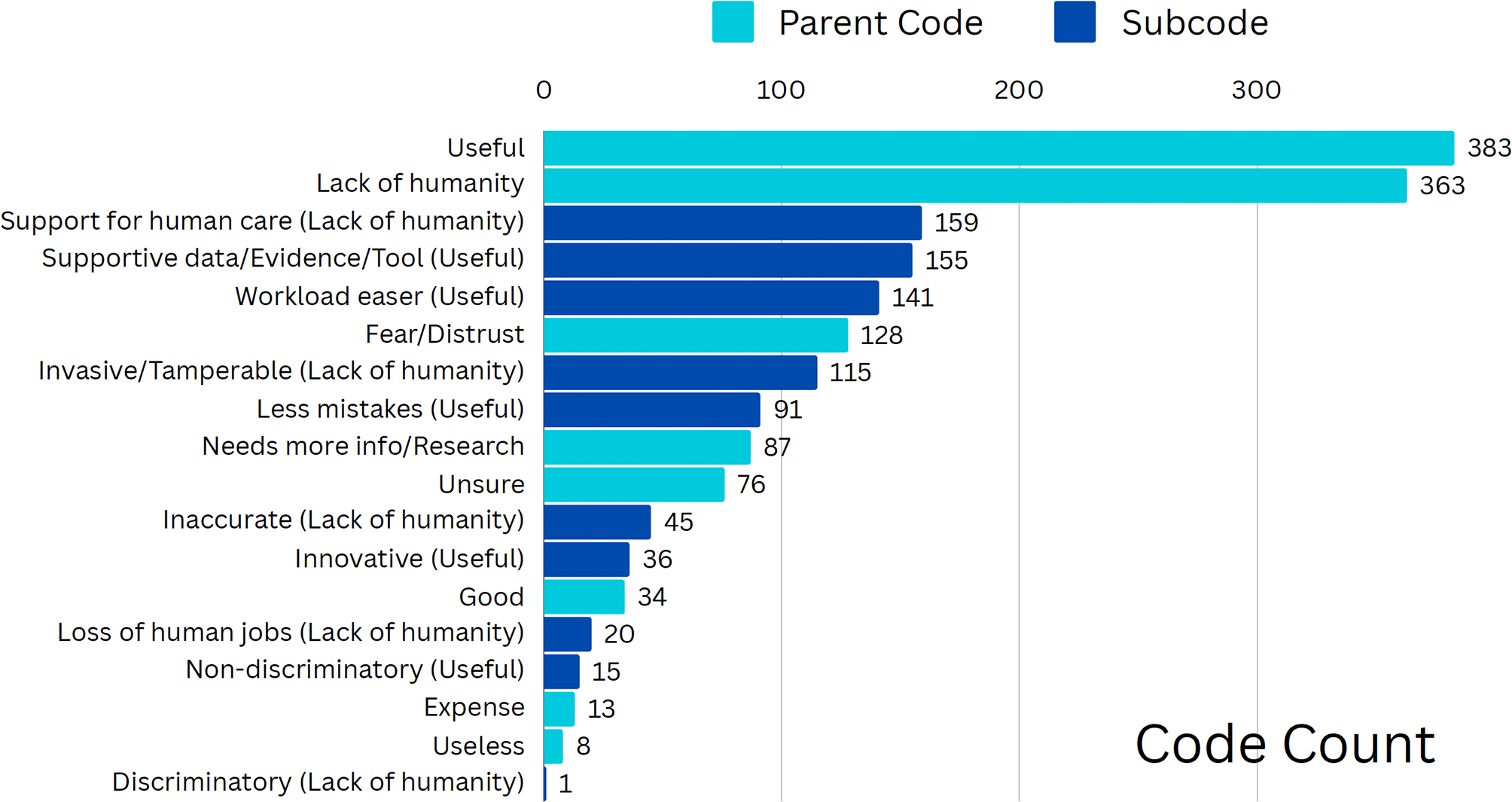
AI in Healthcare: Balancing Innovation with Patient-Centric Ethics

In a rapidly evolving medical landscape, the integration of artificial intelligence (AI) into healthcare is stirring both excitement and apprehension.

2025: Navigating the Future of Patient Payments in Healthcare

The healthcare industry is undergoing a seismic shift, embracing digital transformation at an unprecedented pace. As we approach 2025, several key trends are set to redefine patient payments, addressing both technological advancements and consumer needs.

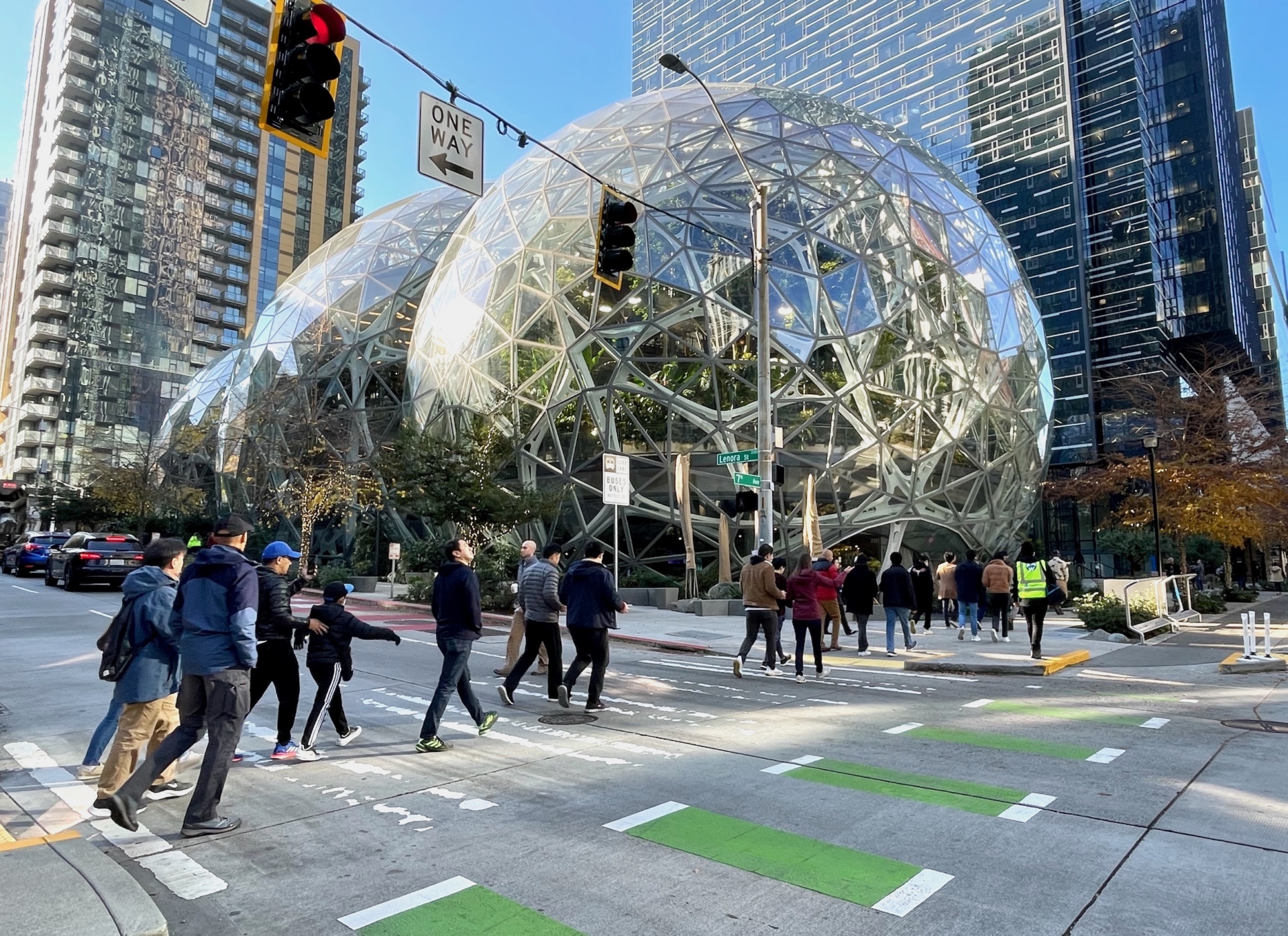
Amazon’s Return-to-Office Mandate: A Catalyst for Downtown Seattle

When a company of that scale moves in this direction, it sends a signal to many other organizations and companies that have been wrestling with the same set of considerations of, how do we work best?”

By |January 4, 2025|Categories: Article, Business, Urban Development|Tags: , |0 Comments

2025: The ‘Great Tech Reckoning’ and the ‘Real’ AI Revolution

The much-discussed AI revolution in healthcare is set to unfold not in the clinical domain but through foundational changes within health systems' operations. While public attention has focused on AI's potential in diagnostics and clinical decision-making, its real power by 2025 will manifest in enhancing the operational infrastructure that supports patient care.

By |January 3, 2025|Categories: Article, Healthcare, Technology|Tags: , |0 Comments

Kamala Harris and Donald Trump’s Diverging Housing Plans: Paths to Affordability

In the bustling arena of American politics, where clashes are common and agreements rare, Vice President Kamala Harris and former President Donald Trump find common ground on an issue that strikes at the heart of many voters: the escalating cost of housing.


By |January 3, 2025|Categories: Article, Housing, Politics|Tags: |0 Comments