Foreign Investments in U.S. Real Estate: A Double-Edged Sword

In recent years, foreign investment in U.S. real estate has surged to unprecedented levels, surpassing 1.2 trillion dollars over the past 15 years. This influx has sparked a robust debate among scholars and policymakers about the potential threats and benefits posed by such investments.
The increase in foreign-owned agricultural land has raised national security concerns, particularly when these investments occur near sensitive military locations. For instance, a Chinese company’s purchase of 370 acres near an Air Force base in North Dakota led to significant criticism and highlighted the potential risks involved.
Regulatory Measures and Challenges The regulation of foreign investments traditionally falls under the purview of the Committee on Foreign Investments in the United States (CFIUS). However, scholars argue that existing frameworks may prioritize financial gains over national security. The Government Accountability Office (GAO) has recommended improving data accessibility to enhance oversight and mitigate risks.
On the economic front, foreign investments have been linked to rising housing prices, exacerbating affordability issues in cities across the nation. The effects of foreign capital influx are particularly pronounced in places like California, where home prices have surged by 30%, as noted in a study published in the Review of Financial Studies.

State-Level Responses and Policy Innovations

In response to these challenges, some states have enacted laws to curb foreign ownership. For example, Oklahoma has implemented measures preventing noncitizens from acquiring land, while Louisiana has restricted purchases by entities from countries deemed adversarial.
Meanwhile, scholars from the Brookings Institution suggest leveraging the Corporate Transparency Act to increase transparency in real estate ownership through shell companies. This approach mirrors successful initiatives in the UK that have curbed offshore investments.
Balancing Act As the debate continues, the U.S. faces a complex balancing act between attracting foreign capital and safeguarding national interests. The insights from the original article emphasize the need for nuanced regulatory strategies that address both economic and security concerns.


More Articles

Getting licensed or staying ahead in your career can be a journey—but it doesn’t have to be overwhelming. Grab your favorite coffee or tea, take a moment to relax, and browse through our articles. Whether you’re just starting out or renewing your expertise, we’ve got tips, insights, and advice to keep you moving forward. Here’s to your success—one sip and one step at a time!

Autonomous Vehicles and Their Economic Impact: A Look into the Future of Mobility

The recent enactment of the Automated Vehicles Act in the UK heralds a new era for transportation, with self-driving vehicles expected to hit the roads by 2026. This legislative milestone is poised to revolutionize how people and goods move across the nation, potentially transforming urban spaces and transport systems as we know them.

By |December 13, 2024|Categories: Article, Economics, Technology|Tags: , |0 Comments

AI in Healthcare: Revolutionizing Medicine or Overhyped Promise

In the rapidly evolving landscape of healthcare, artificial intelligence (AI) stands at the forefront of technological innovation, promising to revolutionize medicine. From brain surgery to personalized treatments, the potential applications of AI are vast and varied. Yet, as the Forbes article suggests, the line between groundbreaking innovation and overhyped promise is razor-thin.

The Rise of Central Bank Digital Currencies: A New Era in Finance

In the rapidly evolving world of finance, central bank digital currencies (CBDCs) are emerging as a transformative force.

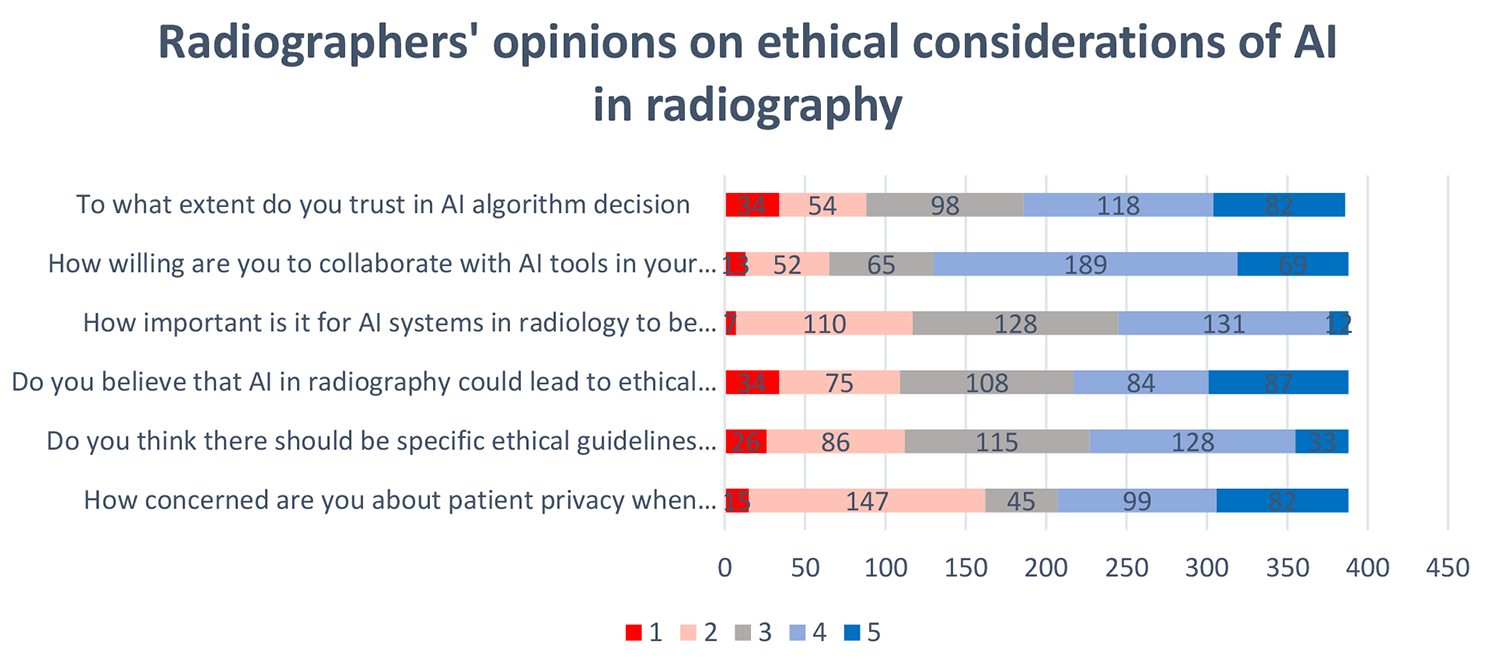
The Ethical Maze of AI in Radiography: A Saudi Arabian Perspective

The research highlights the transformative opportunities AI presents for diagnostic imaging, alongside the ethical considerations that accompany its adoption.

The Telehealth Revolution: Transforming the Healthcare Landscape

The revolution in telehealth is not just a trend—it's a transformative force reshaping the healthcare landscape. As highlighted by Amy Groden-Morrison, VP of Marketing at Alpha Software, understanding these advancements is crucial for making informed decisions for the future. The digital health market is projected to skyrocket to $551.09 billion by 2027, driven by innovations in AI, telehealth, and wearable technology.

By |December 12, 2024|Categories: Article, Healthcare, Technology|Tags: , |0 Comments

Electric Vehicle Market Surges Amidst Economic and Environmental Challenges

The global electric vehicle (EV) market is experiencing a remarkable transformation, driven by a combination of technological advancements, policy incentives, and growing environmental awareness.