Check Out Your Savings Today

The DOGE Dividend: What You Need to Know About the Proposed 2026 Stimulus Check

Hey there! If you’ve been wondering about the so-called DOGE Dividend stimulus check coming in 2026, you’re definitely not alone. I’ve been hearing a ton of questions about when (or if) these checks are going to roll out. So, let’s get straight to it—what this is all about, where things currently stand, and what it might mean for you.

What’s the Deal with the DOGE Dividend?

The DOGE Dividend is a proposed one-time payout to taxpayers, all thanks to the Department of Government Efficiency (DOGE). This initiative was launched in 2025 by President Trump and is being led by none other than Elon Musk. The basic idea? Cut government waste, save a ton of money, and hand 20% of those savings right back to taxpayers. Sounds great, right? Well, let’s take a closer look.

How Much Money Are We Talking About?

The original goal was to rack up $2 trillion in savings by July 4, 2026. If that happens, every taxpaying household could get around $5,000. Some people are even speculating that savings could hit $4 trillion, which would mean even bigger checks.

Can DOGE Really Eliminate Inflation?

Now, here’s where things get interesting. Musk has been saying that one of DOGE’s biggest goals is to reduce or even eliminate inflation by slashing unnecessary government spending. The idea is that if the government spends less, inflation goes down, and your money holds its value better.

But here’s the problem—so far, DOGE has only managed to find $55 billion in savings. That’s a tiny fraction of the $2 trillion target. Plus, a lot of experts are skeptical that cutting waste alone is enough to fix inflation, especially when so much federal spending is locked into Social Security, Medicare, and defense. And then there’s another issue: some economists warn that handing out giant checks to taxpayers could actually make inflation worse instead of better. It’s a tricky balancing act.

So… Will You Actually Get a Check?

Here’s the honest truth—this isn’t a done deal yet. While the idea is out there, Congress still has to approve it before anyone gets a dime. Right now, there’s no official law backing these checks, so we’ll have to wait and see what happens.

What Needs to Happen Next?

  • DOGE needs to find way more savings—billions (or even trillions) more.
  • Congress has to sign off on the plan.
  • The whole thing has to be tested against inflation concerns to make sure it actually helps, rather than hurts, the economy.

Try Our DOGE Dividend Calculator!

Curious about what your potential check could be? We’ve got a free web app that lets you play around with different savings numbers and see what kind of payout you could be looking at. It’s fun, easy, and totally free—so why not give it a shot?

Final Thoughts

Look, the DOGE Dividend is definitely an exciting idea, but let’s keep it real—it’s not a sure thing yet. Right now, it’s more of a political proposal than a guarantee. That said, we’ll keep tracking the latest updates and let you know if anything changes.

In the meantime, check out the calculator, stay informed, and keep the conversation going!


What do you think about the DOGE Dividend? Do you think it’s actually going to happen? Drop your thoughts in the comments!


More Articles

Getting licensed or staying ahead in your career can be a journey—but it doesn’t have to be overwhelming. Grab your favorite coffee or tea, take a moment to relax, and browse through our articles. Whether you’re just starting out or renewing your expertise, we’ve got tips, insights, and advice to keep you moving forward. Here’s to your success—one sip and one step at a time!

Global Capital Is Reshaping Real Estate for 2026

Investors worldwide are redeploying capital, embracing more active deal structures, and expanding into new regions as the 2026 market takes shape. Data centers, revived office demand, and global diversification are driving a major shift—creating fresh opportunities for real estate, mortgage, and finance professionals who understand where capital is heading next.

Florida’s Home Insurance Crisis Hits Breaking Point as Premiums Soar and Claims Go Unpaid

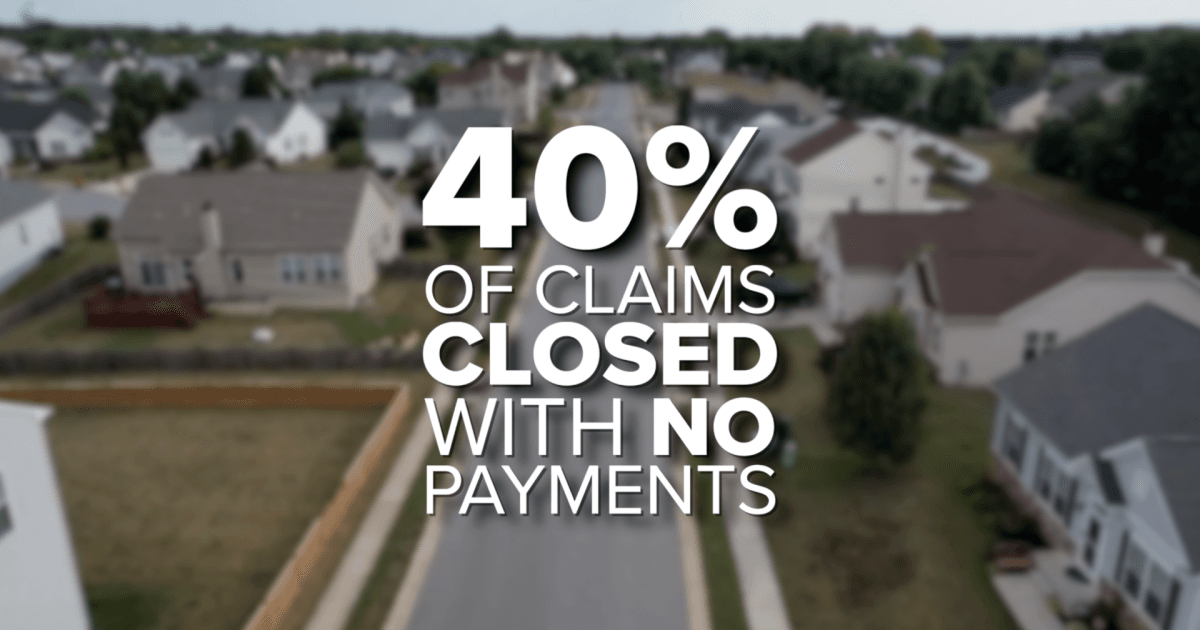
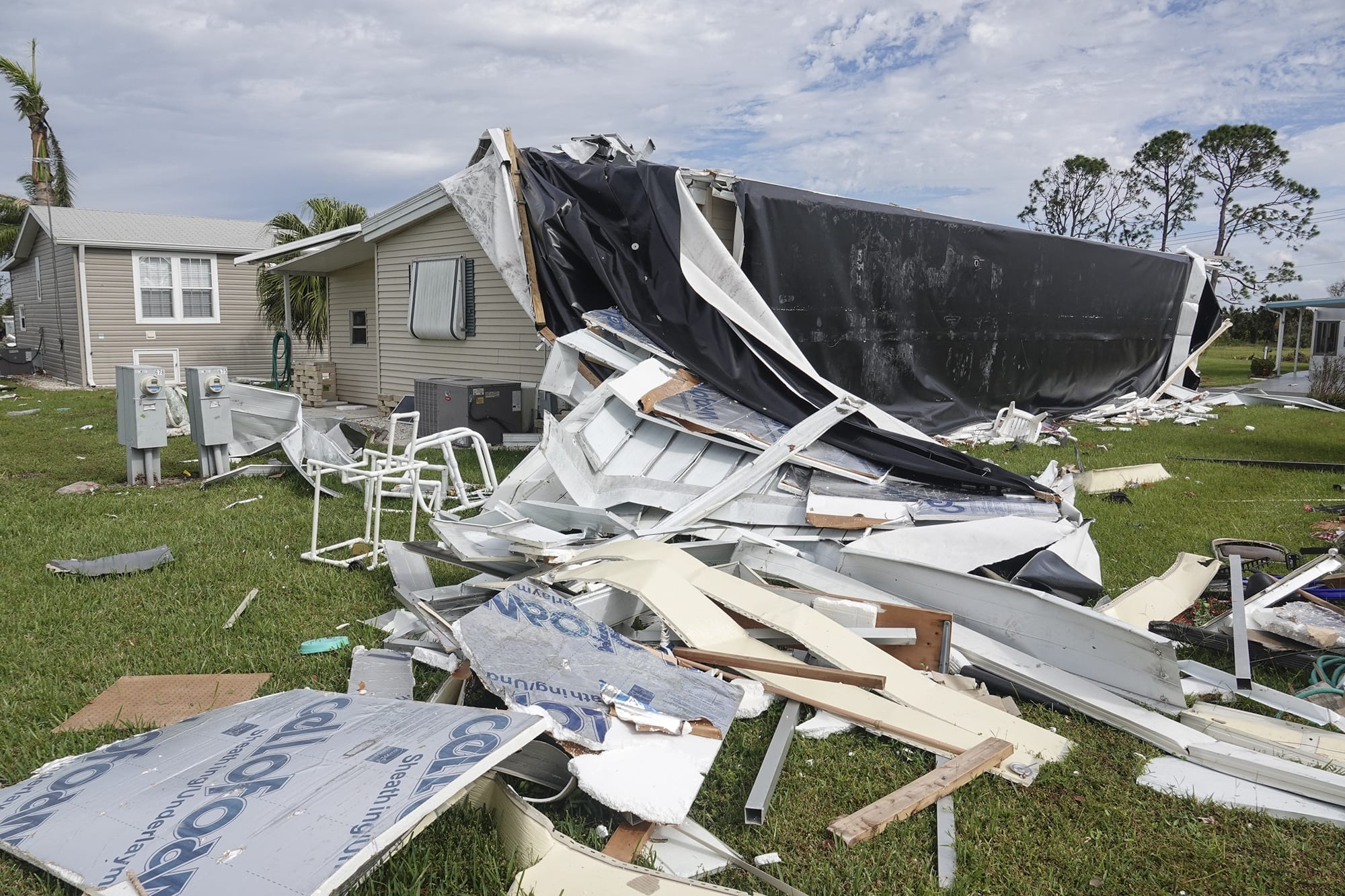
Florida homeowners now pay an average of $5,838 per year for insurance—about $3,000 more than the national average—pushing many families to the financial brink. Residents report premiums tripling, claims being severely underpaid, and insurers dropping policies at one of the highest rates in the country. As frustration mounts, lawmakers and industry experts are calling for sweeping reforms to curb rising costs, increase accountability, and stabilize a market that’s reshaping real estate decisions across the state.

Citizens Insurance Steps Back as Florida’s Private Market Surges

Florida’s insurance market has hit a major turning point. Citizens Property Insurance—once the state’s largest insurer with 1.4 million policies—has shed more than 900,000 policies as private insurers return in force. Driven by Florida’s depopulation program and the arrival of 17 new companies, nearly 200,000 policies shifted to private carriers in October alone, with about 40 percent offering lower premiums. The shift signals rising competition, stabilizing rates, and new opportunities for homeowners and industry professionals navigating Florida’s evolving insurance landscape.

NAR Unveils Biggest MLS Policy Overhaul in 20 Years, Effective 2026

The National Association of REALTORS® has approved 18 major updates to modernize its MLS policies—the largest overhaul in two decades. Announced at NAR NXT in Houston and set to take effect in January 2026, the changes aim to streamline MLS operations, improve enforcement clarity, and better align policies with how today’s real estate professionals actually work.

Inhabit Unveils New AI and Fraud Prevention Tools Transforming Property Management

Inhabit has rolled out a powerful lineup of AI-driven leasing, marketing, fraud prevention, and compliance tools designed to streamline operations and protect property teams from growing risks. From hybrid AI leasing assistants to instant income verification and upcoming portfolio-wide lease audits, these innovations aim to cut costs, eliminate inefficiencies, and strengthen regulatory confidence across the multifamily industry.

Florida’s Insurance System Is Shifting Again—But Are Homeowners Still in the Danger Zone?

Florida’s latest round of insurance reforms was meant to calm a volatile market, yet many experts warn the same deep structural problems remain. Homeowners are being pushed from Citizens into higher‑priced, lightly capitalized private insurers, ratings agencies face scrutiny for inflated grades, and political influence clouds oversight. For real estate and insurance professionals, these trends signal ongoing risk, rising costs, and a market in need of a complete rebuild.