FTC Sounds the Alarm on Rental Software: What Every Real Estate Pro Should Know

Ftc seal and modern apartment building

The Federal Trade Commission has stepped into the rental housing arena with fresh intensity, issuing warning letters to 13 property management software companies that may be preventing landlords from accurately displaying rental prices. This move could have major ripple effects for property managers, landlords, and real estate professionals nationwide.

This developing story was first reported by Real Estate News, which continues to follow the investigation closely.

Accuracy Under Fire: What Sparked the Warning?

According to the FTC, certain software systems may block property owners and managers from listing all mandatory fees on rental advertisements. This means tenants could be seeing a filtered price—one that doesn’t reflect reality until much later in the leasing process.

FTC Statement: “We are monitoring the marketplace for potentially deceptive or unfair acts or practices relating to the marketing and advertising of rental housing and will take additional action as warranted,” wrote Christopher Mufarrige, Director of the FTC’s Bureau of Consumer Protection.

While the agency emphasized that the letters are not accusations of illegal behavior, they strongly encouraged software providers to immediately review their practices for compliance.

Who Received the Letters?

That’s still a mystery. The FTC has not released the names of the 13 companies involved. Real Estate News has already filed a Freedom of Information Act request in hopes of uncovering the list.

A Pattern of Enforcement

This isn’t the federal government’s first high-profile move in the rental pricing and software landscape. The past year has been full of landmark enforcement actions:

  • Greystar agreed to pay $24 million after accusations of deceptive advertising practices.
  • RealPage reached a settlement with the DOJ over an antitrust lawsuit involving rental market software.
  • Invitation Homes paid $48 million related to junk fees, poor conditions, and illegal evictions.

One thing is clear: federal scrutiny is intensifying, and rental pricing technology is under the government’s microscope like never before.

Why This Matters for Real Estate Professionals

Whether you’re a property manager, leasing agent, broker, or landlord, this is a pivotal moment. Transparent pricing isn’t just a compliance issue—it’s a trust issue. As software becomes more deeply embedded in the rental ecosystem, professionals must understand how these tools impact consumers and their own legal exposure.

For those expanding their real estate expertise—or entering the field entirely—schools like Cameron Academy emphasize the importance of ethical advertising, regulatory awareness, and market transparency in today’s evolving landscape.

Stay Informed, Stay Competitive

The rental market is evolving at high speed. Technology is advancing. Regulations are tightening. And consumers are more aware of pricing fairness than ever before.

Stay ahead of the curve and read the full source report at Real Estate News, the publication that originally broke this story.

More Articles

Getting licensed or staying ahead in your career can be a journey—but it doesn’t have to be overwhelming. Grab your favorite coffee or tea, take a moment to relax, and browse through our articles. Whether you’re just starting out or renewing your expertise, we’ve got tips, insights, and advice to keep you moving forward. Here’s to your success—one sip and one step at a time!

Massachusetts Investment Firm Makes Strategic Move Into Connecticut With $3.65M Red Robin-Anchored Purchase

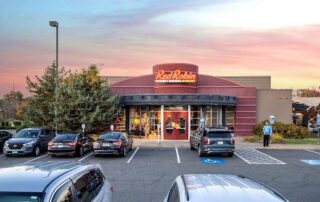
Newman Properties, a Massachusetts-based investment firm, has expanded its footprint into Connecticut with the $3.65 million acquisition of a 6,350‑square‑foot retail building in Enfield. Anchored by national restaurant chain Red Robin, the property offers the type of stable tenancy investors seek when entering new markets. The deal underscores growing confidence in anchored retail assets and provides a valuable real-world example for real estate professionals studying market analysis, investment strategy, and portfolio expansion.

JPMorgan Flags a Sunbelt Slowdown as Florida and Texas See Sharp Home Price Drops

JPMorgan now expects national home prices to flatten in 2026, but the Sunbelt is telling a very different story. Florida home values are down 5.1%, Texas is down 2.4%, and analysts warn that years of rapid building are finally catching up to the region. As demand stabilizes and inventory swells, real estate professionals — especially in Florida — face a market full of challenges, opportunities, and critical timing decisions.

AI Is Reshaping Mortgage Underwriting in 2026 as Industry Pros Brace for Major Change

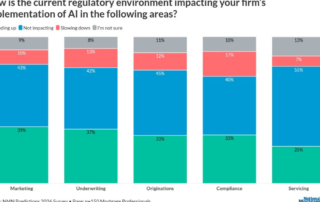
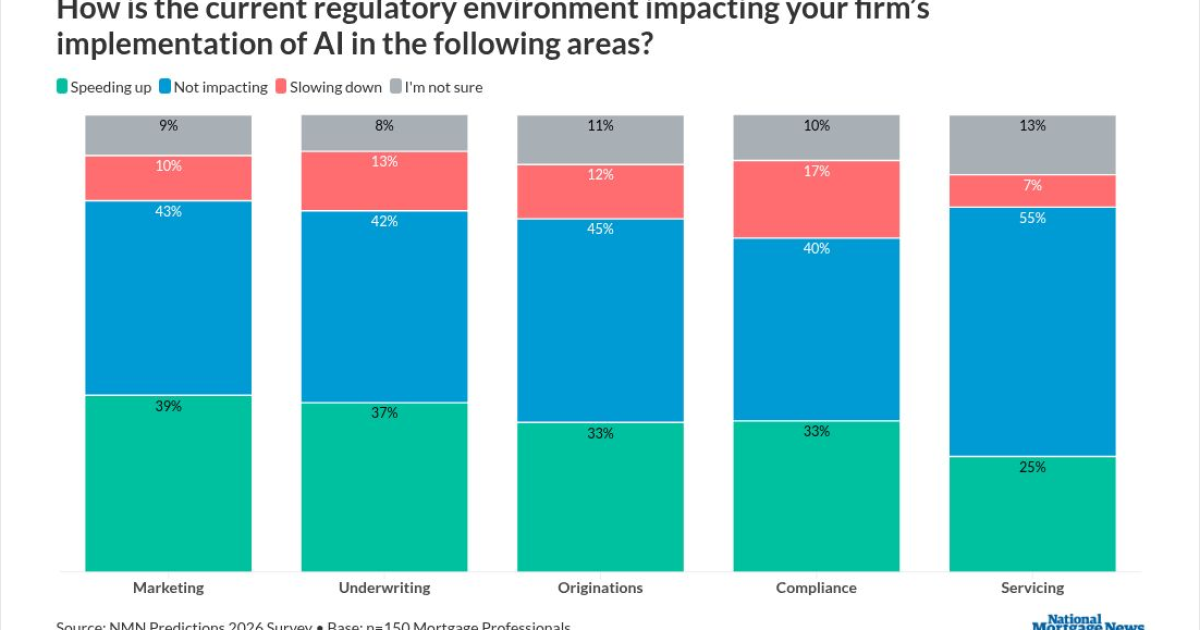
Artificial intelligence is finally stepping into the mortgage underwriting spotlight, with 57% of mortgage professionals predicting it will drive the most transformative industry shift in 2026. Thanks to major advancements in language models and workflow automation, AI is now capable of navigating the messy, document-heavy realities that have long slowed underwriting. From faster preapprovals to improved credit analysis and real‑time income verification, AI is streamlining processes while allowing underwriters to focus on true risk management. As regulatory winds shift and grassroots pressure builds within lending teams, the industry is entering a pivotal era where AI‑powered underwriting becomes not just an advantage — but an expectation.

Portland’s Commercial Market Suffers a Historic $2 Billion Collapse

Portland’s top 20 office towers have lost an unprecedented 70% of their value since 2019—plunging from $3 billion to under $1 billion—triggering tax revenue shortfalls, budget crises, and a surge in appeals as the city grapples with its biggest commercial real estate reset in modern history.

When Virtual Reality Becomes the New Penthouse Tour: Miami Students Step Inside a $1M Tech-Driven Luxury Tower Experience

South Florida’s luxury real estate market just raised the bar again — this time with a $1 million virtual reality system that lets buyers walk through Dolce & Gabbana’s upcoming Miami tower long before construction wraps. Real estate master’s students were given an immersive look inside the project, discovering how VR is transforming high‑end development, influencing buyer psychology, and shaping the future skills today’s professionals need.

Long Island’s Latest Commercial Moves: From Pizza Huts to Auto Parts Warehouses

Long Island’s commercial real estate scene is kicking off 2026 with a surge of activity—industrial leases in Medford, neighborhood retail trades in Bohemia, Pizza Hut’s new DELCO expansion in Centereach, mixed‑use acquisitions in Melville, and major investor interest in bank‑leased and franchise-backed properties. From warehouses to restaurant rebrands, these deals highlight a region evolving fast and offering fresh opportunities for agents, investors, and professionals looking to stay ahead in the market.