As the legal landscape surrounding non-compete agreements continues to evolve, the Federal Trade Commission (FTC) has recently taken significant steps that could reshape the enforceability of these clauses. On March 7, 2025, the FTC moved to stay its appeals to challenges against the Non-Compete Rule for 120 days, a decision influenced by the change in presidential administrations and the expressed reconsideration by FTC Chair Andrew Ferguson. This move signals a potential shift in the enforcement of non-compete agreements, which have long been a contentious issue in labor market regulation.
Non-compete clauses have been a focal point for antitrust enforcers who are increasingly concerned about their anticompetitive effects in labor markets. The FTC’s actions come at a time when the debate over these agreements is more acute than ever, with significant attention from both state and international regulatory bodies.
The White & Case Global Non-Compete Resource Center (NCRC) offers a comprehensive overview of the current issues surrounding the enforceability of these provisions. The resource center provides valuable insights into the legal challenges and the broader implications for employers and workers.
Recent developments have seen the FTC and the Department of Justice (DOJ) issue Antitrust Guidelines for Business Activities Affecting Workers, which highlight agreements and business practices that may draw antitrust scrutiny. These guidelines underscore the ongoing scrutiny of non-compete agreements and their impact on worker mobility and competition.
In the United States, the legal challenges to the FTC’s Non-Compete Rule have resulted in a federal court setting aside the rule, prohibiting the FTC from enforcing it nationwide. This decision, detailed in the court’s order, is subject to appeal, and the outcome could have far-reaching implications for the future of non-compete agreements.
State-level changes are also noteworthy. For instance, New York has proposed legislation that would prohibit most new non-competes, while California has strengthened its ban on these agreements. These state actions reflect a growing trend towards limiting the use of non-competes, aligning with international efforts such as the UK’s proposed limit on the duration of non-compete clauses.
The FTC’s recent enforcement actions against companies using non-compete restrictions further emphasize the regulatory focus on protecting workers and promoting competition. The FTC’s press release on these actions highlights the agency’s commitment to challenging practices that harm employees and impede market entry.
As the debate over non-compete agreements continues, businesses and legal professionals must stay informed about the evolving regulatory environment. The insights provided by the White & Case Global Non-Compete Resource Center (NCRC) are invaluable for navigating these complex issues and understanding the potential impact on labor markets.
For more detailed information and analysis, you can access the original article and explore the various resources and references provided.

More Articles

Getting licensed or staying ahead in your career can be a journey—but it doesn’t have to be overwhelming. Grab your favorite coffee or tea, take a moment to relax, and browse through our articles. Whether you’re just starting out or renewing your expertise, we’ve got tips, insights, and advice to keep you moving forward. Here’s to your success—one sip and one step at a time!

Is Florida’s Booming Real Estate Market Becoming Unaffordable?

Florida is facing a real estate crisis marked by skyrocketing insurance premiums, stringent FEMA rules, and a surge in hedge fund property acquisitions.

By |November 14, 2024|Categories: Article, Finance/Economy, Real Estate|Tags: , |0 Comments

Revolutionizing Cancer Therapy: The Promise of Patient-Derived Organoids

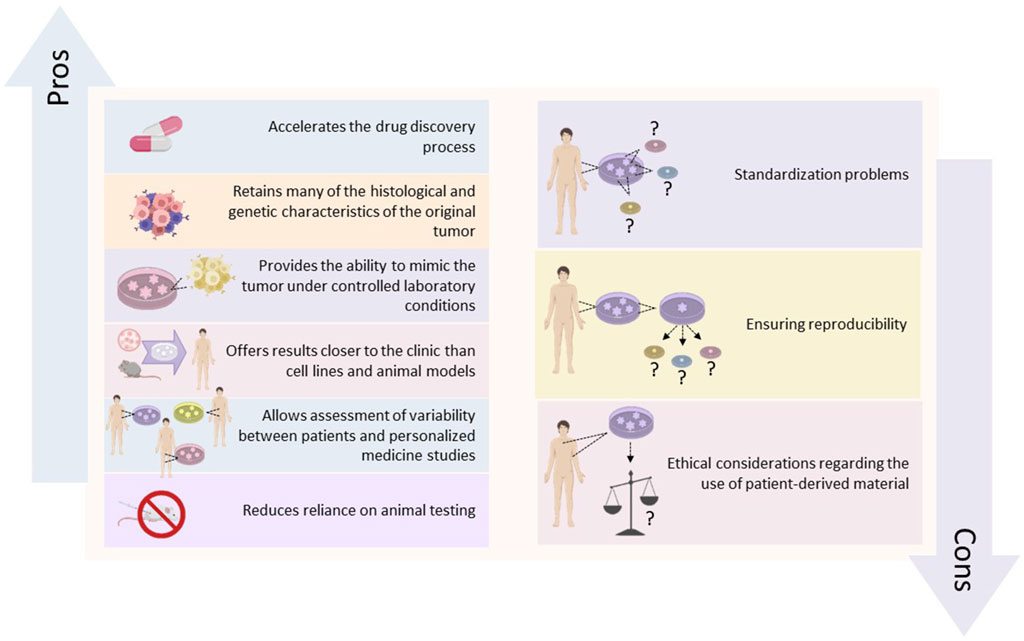
Patient-derived organoids offer an unprecedented opportunity to replicate the complex structure and genetic makeup of cancers, providing a more accurate model for clinical drug screening and pharmacognostic assessment.

The AI Revolution in Dermatology: A Systematic Review

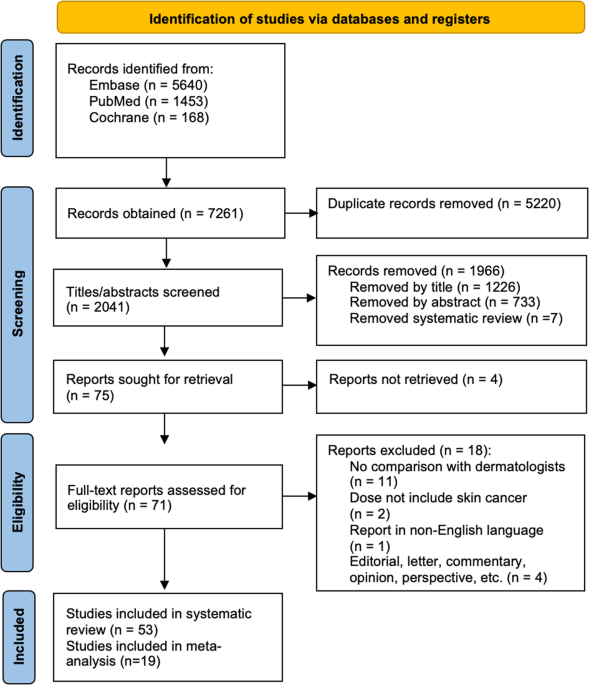
In a groundbreaking study published in Nature, researchers have delved into the burgeoning field of artificial intelligence (AI) in dermatology, specifically examining its role in diagnosing skin cancer. The study, titled "A Systematic Review and Meta-Analysis of Artificial Intelligence Versus Clinicians for Skin Cancer Diagnosis," offers a comprehensive look at how AI stacks up against human clinicians in this critical area of healthcare.

By |November 14, 2024|Categories: AI in Healthcare, Article, Dermatology|Tags: , |0 Comments

The Fast Lane to Fully Autonomous Vehicles: Industry Innovations and Future Prospects

The automotive world is abuzz with announcements from major players like Tesla, Rimac, Renault, and Nissan, each unveiling plans to introduce autonomous vehicles in the near future. Tesla's much-anticipated "CyberCab" is set for an October 2024 debut, while Rimac and Renault are gearing up for releases in 2026.

Futureproofing for Insurers: The Role of AI and Hyper-Personalization

In a rapidly evolving industry, insurance companies are turning to artificial intelligence (AI) and hyper-personalization to stay ahead of the curve.

Revolutionizing Healthcare: The Power and Potential of AI

AI technology offers a multitude of benefits, from enhancing patient outcomes to reducing healthcare costs and improving population health. Its application ranges from preventive screenings to complex diagnostic procedures, marking a new era in medical care.

By |November 13, 2024|Categories: Article, Artificial Intelligence, Healthcare|Tags: , |0 Comments