In a pivotal legal turn, the Federal Trade Commission’s (FTC) landmark rule to abolish non-compete clauses for most U.S. workers has been blocked by a federal judge. The blockade, issued by US District Judge Ada Brown on August 20, 2024, came after a motion for summary judgment from the US Chamber of Commerce and others opposed the FTC’s decision. As the future of non-compete bans remains murky, physicians, who make up a significant portion of affected professionals, are left pondering the implications on their careers and the healthcare landscape.
Non-compete agreements have traditionally restricted physicians, with 37% to 45% bound by such terms, according to the American Medical Association. These agreements were intended to safeguard confidential information for employers but have long been criticized for limiting professional mobility. The FTC’s efforts to ban non-competes aimed to liberate physicians and bolster career opportunities, much to the delight of the medical community.
However, Judge Brown’s ruling cited the FTC’s overreach, labeling the rule as “arbitrary and capricious” and expressing concerns about irreparable harm. The FTC is considering appealing the decision, arguing that the ruling doesn’t prevent them from targeting non-competes through individual actions. Meanwhile, professionals in the field warn colleagues against hasty moves, as legal battles are far from over.
For many physicians, including those in Dr. Nisha Mehta’s Physician Side Gigs community, which boasts 190,000 members, non-competes remain a significant hurdle in career negotiations. The momentum against these clauses is building slowly but steadily, offering a glimmer of hope for future changes in employment contracts.
The recent Supreme Court decision in Loper Bright Enterprises v. Raimondo has only intensified the scrutiny of agency power, potentially complicating the FTC’s path. Before this decision, courts typically deferred to agency interpretation of ambiguous laws, but now they possess greater autonomy to evaluate such authority, paving the way for more intense legal challenges surrounding non-competes.
On a broader scale, should the FTC’s ban on non-competes succeed in the future, the implications could reach millions of American workers. Non-competes would be invalidated, except for senior executives earning above a certain threshold. Yet, questions linger about the inclusion of medical personnel and employees of nonprofit hospitals, many of which argue for their exemption based on their operational models.
The ongoing debate sees opinions split; while many advocate for the barrier-free mobility of healthcare professionals, others claim these agreements are critical for retaining talent within hospitals. Public sentiment, however, largely favors dismantling non-competes, with a vast majority of feedback to the FTC supporting the ban.
Despite the latest legal setbacks, the dialogue surrounding non-competes is poised for evolution. Experts like Dr. Robert Pearl, a former CEO and current educator, remain optimistic, highlighting positive outcomes in jurisdictions like California where non-competes are already outlawed. The aspiration is for fairer, more flexible employment practices to emerge, fostering environments where physicians and patients alike can thrive.
As the tide slowly turns against non-competes, the healthcare sector watches with anticipation, prepared for gradual yet impactful shifts in their professional landscapes.
Read the full article here.

More Articles

Getting licensed or staying ahead in your career can be a journey—but it doesn’t have to be overwhelming. Grab your favorite coffee or tea, take a moment to relax, and browse through our articles. Whether you’re just starting out or renewing your expertise, we’ve got tips, insights, and advice to keep you moving forward. Here’s to your success—one sip and one step at a time!

Rising Home Insurance Costs Are Quietly Rewriting America’s Real Estate Rules

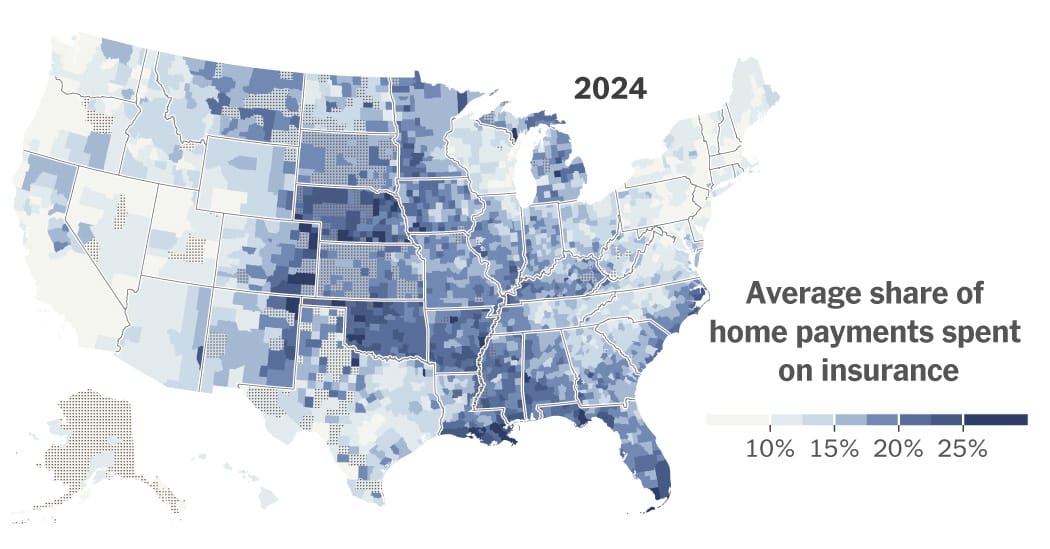
A surge in home insurance premiums is reshaping housing markets across the country, hitting disaster‑prone regions the hardest. From Louisiana to Colorado and California, deals are collapsing, buyers are backing out, and home values are dropping as insurance becomes a central affordability hurdle. New data shows climate‑driven risk repricing and soaring reinsurance costs are stripping tens of thousands of dollars from property values, forcing some homeowners to sell at a loss—or go uninsured altogether.

Is 2026 the Year the Housing Market Finally Roars Back? NAR Thinks So

After years of sluggish activity, the National Association of REALTORS predicts 2026 could mark the long‑awaited rebound for the housing market. With a projected 14% jump in home sales, steadier rates near 6%, and rising buyer activity, NAR economists say momentum is already building. Early signs—like a 31% surge in mortgage applications, continued job growth, and stabilizing prices—suggest a stronger, more confident market ahead, creating fresh opportunities for both seasoned professionals and aspiring agents preparing to enter the field.

Global Capital Is on the Move: What Colliers’ 2026 Outlook Means for the Future of Real Estate

A surge of global capital is reshaping real estate heading into 2026, with investors shifting toward hands‑on strategies, cross‑border diversification, and high‑growth asset classes like data centers. Colliers’ 2026 Global Investor Outlook highlights rising confidence, improving liquidity, and a major pivot toward direct investing and value‑add opportunities. From office market rebounds to Asia Pacific’s rapid fundraising growth, the report outlines trends every real estate professional should understand as the industry enters a more dynamic, opportunity‑rich cycle.

California Bets on a Single Staircase to Unlock New Housing

Culver City just became the first place in California to legalize six‑story apartment buildings with only one staircase — a simple change that could reshape mid‑rise housing statewide. By freeing up as much as 7% more usable floor space, architects say single‑stair designs allow bigger units, more windows, and the kind of elegant layouts common in New York and Europe. If the city’s six‑year experiment succeeds, it may spark a broader rethinking of U.S. building codes and open the door to more flexible, affordable multifamily development across California.

Stratford Launches 2025 Property Revaluation, Sending New Assessments to Homeowners

Stratford homeowners are receiving their 2025 Notices of Assessment Change, marking the town’s first property revaluation since 2019. Officials emphasize that rising assessments do not equal higher tax bills, as a new mill rate won’t be set until spring 2026. Residents can challenge or review their updated valuations through informal hearings hosted by Vision Government Solutions, with appointments available for one week after receiving a notice.

Florida Homeowners Buckle Under Nation-Leading Insurance Premiums as Crisis Deepens

New reporting reveals Florida homeowners now face an average insurance premium of $5,838 per year — nearly triple the national average. With skyrocketing rates, denied claims, and mounting non-renewals, residents are being pushed to tough financial decisions while lawmakers scramble to implement reforms. From retirees skipping coverage to families battling insurers for fair payouts, Florida’s insurance crisis is reshaping both the housing market and the daily lives of homeowners statewide.