As the construction industry approaches 2025, it stands on the brink of a profound transformation. This evolution is driven by the integration of cutting-edge technologies and sustainable practices that promise to redefine how buildings are designed and developed. The original AZoBuild article delves into the top trends shaping this dynamic landscape.

Revolutionizing Construction: Key Trends


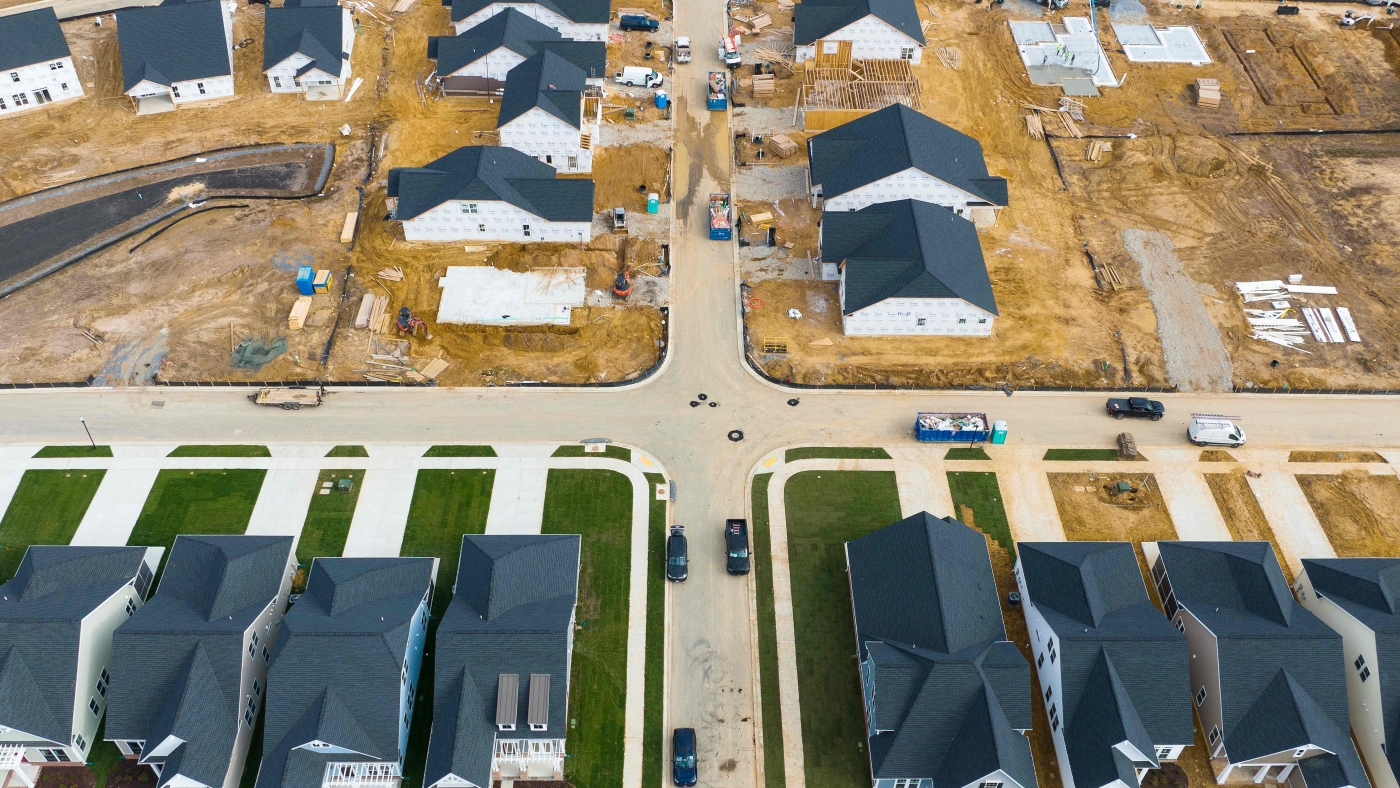
The construction sector is witnessing a surge in innovative methodologies. Among these, modular construction is gaining momentum for its efficiency and sustainability. By prefabricating components in a controlled environment, developers can drastically cut down on-site construction time, a boon for sectors like multi-family housing and healthcare.
Another game-changer is 3D printing, which allows for the creation of building components layer by layer. This technology is set to revolutionize affordable housing and emergency shelters, offering significant reductions in waste and labor costs.

Technological Integration


The integration of Artificial Intelligence (AI) and Machine Learning (ML) is transforming project management. These technologies enable real-time data analysis, optimizing resource allocation and enhancing safety protocols. By 2025, AI is expected to be a staple in managing construction workflows.
Moreover, advancements in Building Information Modeling (BIM) are pivotal. By linking BIM with IoT devices, stakeholders can gain enhanced control over projects, from design to demolition, fostering unprecedented collaboration.

Sustainability and Smart Technologies


Sustainability is no longer a mere trend but a cornerstone of modern construction. The focus is on minimizing environmental impact through eco-friendly materials and energy-efficient systems. Initiatives like zero-carbon projects and recycled materials are becoming standard practice.
Smart building technologies are also at the forefront, with IoT sensors optimizing energy usage and security. As 5G networks expand, these buildings will self-regulate, reducing operational costs.

Challenges and Opportunities


While these advancements offer numerous benefits, they also present challenges. High initial costs, a skills gap, and regulatory hurdles can hinder widespread adoption. Overcoming these barriers is essential for the industry to fully capitalize on these innovations.

Leading the Way


Key players like Skanska and Bouygues Construction are at the forefront, leveraging green building practices and advanced technologies to enhance productivity and sustainability.
As we edge closer to 2025, the construction industry is poised for dramatic shifts. Those who embrace these changes will lead the way in shaping a smarter, more sustainable built environment.


More Articles

Getting licensed or staying ahead in your career can be a journey—but it doesn’t have to be overwhelming. Grab your favorite coffee or tea, take a moment to relax, and browse through our articles. Whether you’re just starting out or renewing your expertise, we’ve got tips, insights, and advice to keep you moving forward. Here’s to your success—one sip and one step at a time!

The Digital Healthcare Revolution: Transforming Patient Care with Technology

The global digital health market is set to skyrocket, with projections estimating it will reach $551.09 billion by 2027. This growth is fueled by innovations that are setting new benchmarks in healthcare delivery.

By |November 28, 2024|Categories: Article, Healthcare, Technology|Tags: , |0 Comments

University of Pennsylvania Pioneers the Planetary Health Curriculum

This innovative program equips medical students with the knowledge to understand and mitigate the effects of climate change on human health.

The Deep-Learning Triple Threat Transforming Medical Imaging

AI is being hailed as a "triple threat" in radiology, impacting planning, scanning, and diagnosis. As detailed in a recent column by Kelly Londy of GE HealthCare, these intelligent imaging systems are ushering in seismic changes reminiscent of the transformative impact of computer-assisted tomography in the late 20th century.

Federal Reserve’s Interest Rate Cut: Implications for the Housing Market

In a significant move that has captured the attention of economists and homebuyers alike, the Federal Reserve recently announced a half-percentage-point cut in interest rates. This decision is poised to bring about notable changes in the housing market, though not all effects may be beneficial for prospective homeowners.

By |November 27, 2024|Categories: Article, Economics, Real Estate|Tags: , |0 Comments

Public Perceptions of AI in Healthcare: A Balancing Act Between Innovation and Ethics

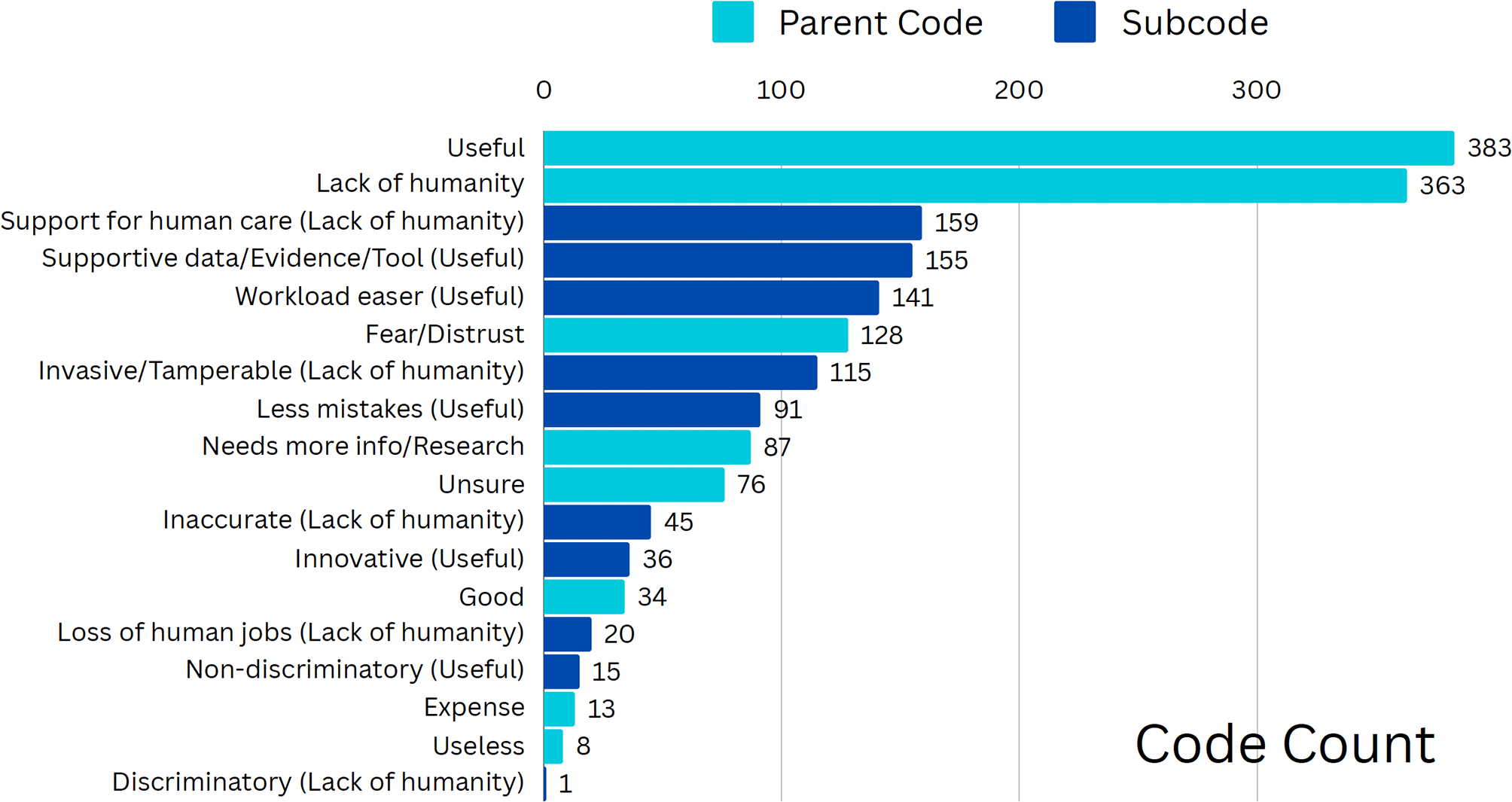
In the rapidly evolving landscape of healthcare, the integration of artificial intelligence (AI) stands as a beacon of both promise and concern. The research underscores a significant tension: while AI has the capability to enhance healthcare delivery, there is palpable unease about its impact on the traditional physician-patient relationship.

By |November 27, 2024|Categories: Article, Ethics, Healthcare|Tags: , |0 Comments

The Ethical Dilemmas of AI: A Modern Conundrum

As artificial intelligence (AI) technology advances, it presents a myriad of ethical dilemmas and challenges that demand urgent attention. The USC Annenberg School for Communication and Journalism recently explored these pressing issues, highlighting the complexities involved in AI's deployment.

By |November 27, 2024|Categories: Article, Ethics, Technology|Tags: , |0 Comments