Future of Telehealth Uncertain As Congress Deliberates Budget
As the clock ticks down to December 31, 2024, the future of telehealth services in the United States hangs in the balance. The looming deadline has healthcare providers, hospitals, and stakeholders on high alert. At the heart of this uncertainty is the need for Congress to extend key policy flexibilities that have supported telehealth and Hospital-at-Home programs for Medicare patients since the COVID-19 pandemic. Without these extensions, Medicare coverage for many telehealth services could cease on January 1, 2025, potentially disrupting healthcare access for countless Americans, especially seniors.
The Legislative Tug of War
Despite bipartisan support for telehealth, recent attempts to pass a Continuing Resolution (CR) have met with obstacles. A proposed CR that included a two-year extension for telehealth flexibilities was rejected on December 18, 2024, due to unrelated controversies. However, a newer proposal, the American Relief Act, 2025, introduced on December 19, 2024, offers a glimmer of hope. This act seeks to extend telehealth flexibilities and the Acute Hospital Care at Home program through March 31, 2025, albeit without addressing other significant healthcare provisions.
Advocacy and Impact
The uncertainty surrounding telehealth policy has mobilized advocacy groups like the American Telemedicine Association’s ATA Action group, who are urging Congress and the White House to act swiftly. The stakes are high: without action, clinicians and practices face the daunting task of reorganizing their operations to comply with more restrictive Medicare policies come January 1, 2025.
The potential expiration of these policies could significantly impact Medicare services, limiting the types of telehealth services clinicians can provide. While some mental healthcare services may continue under existing Medicare policies, the more restrictive geographic requirements could hinder access for many patients. Notably, clinicians at federally qualified health centers or rural health clinics will remain unaffected due to coverage under the 2025 Physician Fee Schedule.
The Broader Repercussions
Beyond Medicare, the failure to extend telehealth flexibilities could ripple through other reimbursement policies. Private insurers and Medicaid programs might eventually adjust their policies to align with Medicare, potentially affecting hospitals, clinicians, and patients nationwide. The advocacy efforts underscore the critical need for Congress to address these concerns promptly.
DEA Prescribing Rules Remain Unchanged
Amidst the budgetary deliberations, it’s important to note that the DEA’s decision regarding controlled substance prescribing in telehealth remains unaffected. The DEA has extended these flexibilities through December 31, 2025, ensuring continuity in this aspect of telehealth services.
Conclusion
The outcome of these legislative efforts will have profound implications for the future of telehealth in the United States. As the deadline approaches, the healthcare community continues to advocate for the inclusion of telehealth provisions in any budget resolution. For more information, resources such as the Alliance for Connected Care and the American Telemedicine Association offer valuable guidance.
Stay Updated
For live updates on congressional efforts, follow the Associated Press.
More Articles
Getting licensed or staying ahead in your career can be a journey—but it doesn’t have to be overwhelming. Grab your favorite coffee or tea, take a moment to relax, and browse through our articles. Whether you’re just starting out or renewing your expertise, we’ve got tips, insights, and advice to keep you moving forward. Here’s to your success—one sip and one step at a time!
In Florida, the earnings of a real estate agent can vary significantly based on numerous factors including experience, location, and the current state of the housing market. The potential earnings are quite broad, with average salaries ranging from $40,000 to $90,000 per year. However, top-performing agents in high-demand areas can earn well above this range, sometimes exceeding $100,000 annually.
Screening prospective tenants who utilize Section 8 vouchers in Florida requires a thorough understanding of both federal and local laws to ensure compliance and avoid potential legal issues.
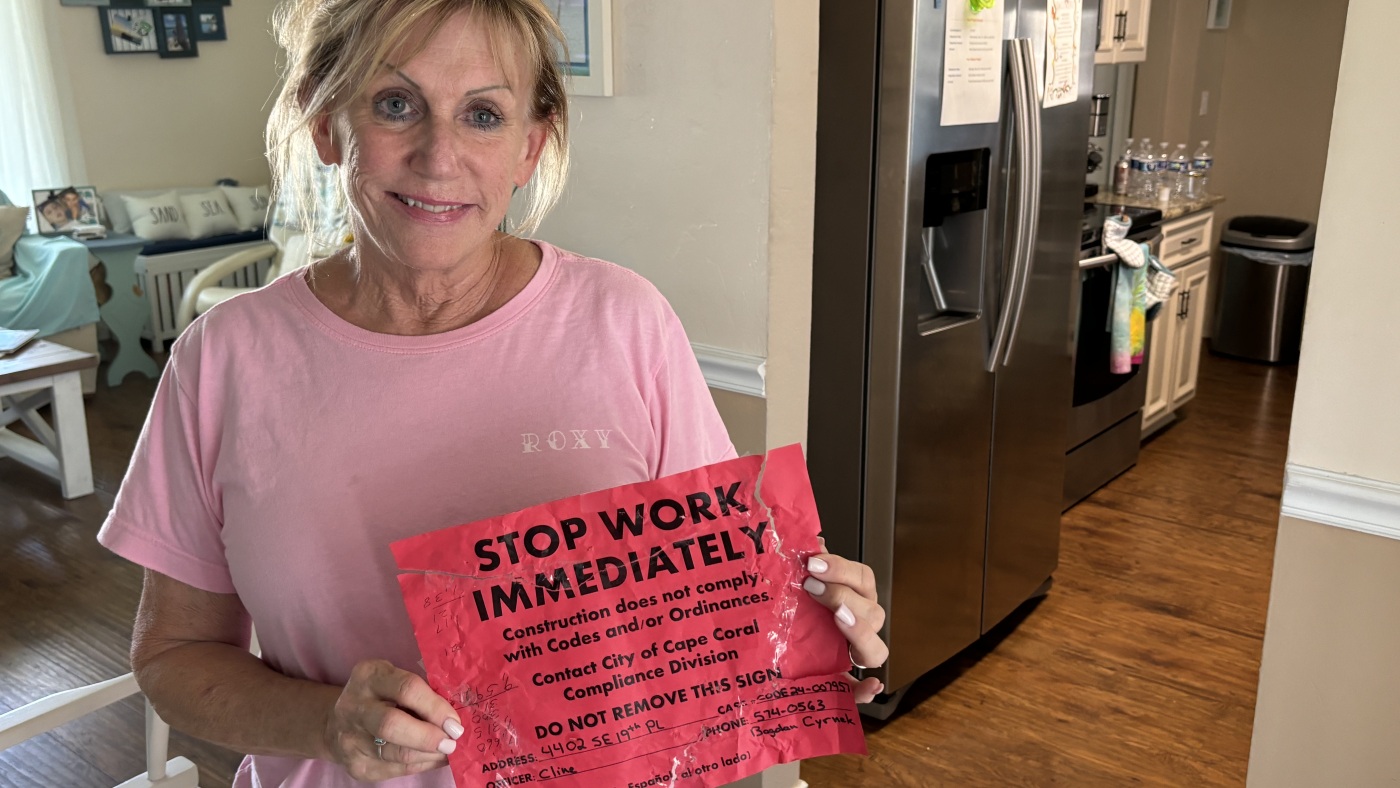
A study by First Street reveals Cape Coral has more properties at risk of flooding than any other city in Florida. Following Hurricane Ian, FEMA withdrew the city's flood insurance discount, blaming improper rebuilding practices.
Goldman Sachs Research has projected a notable increase in US home prices, forecasting a 4.5% rise this year and a 4.4% increase in 2025, as the Federal Reserve is expected to implement interest rate cuts.
In the realm of real estate, myths and misconceptions about Section 8 tenants often cloud the judgment of landlords. These stereotypes suggest that Section 8 tenants might damage property or fail to pay rent. However, these risks are inherent in renting to any tenant, not just those participating in the Section 8 program. The key to mitigating these risks lies in a robust and consistent screening process.