In a rapidly evolving industry, insurance companies are turning to artificial intelligence (AI) and hyper-personalization to stay ahead of the curve. As noted in a recent article from PropertyCasualty360, these technological advancements are reshaping how insurers engage with customers, assess risks, and enhance operational efficiency.
AI and Customer Engagement
By leveraging AI-driven insights, insurers can now customize policies to align with the unique needs of their clients. This shift towards hyper-personalization not only fosters stronger customer loyalty but also enhances satisfaction through personalized coverage options and real-time adjustments.
The Importance of Decision Platforms
While the potential of AI is vast, experts emphasize the need to operationalize these technologies effectively through decision-making platforms. This approach ensures that AI delivers tangible benefits rather than being overshadowed by trendy terms like generative AI.
Modernization and Hyper-Personalization
The trend of modernization within the insurance sector is being driven by AI, with a notable shift towards hyper-personalization. This approach allows insurers to better meet customer expectations, ultimately improving satisfaction and loyalty.
As the industry continues to evolve, the integration of AI and personalization strategies will be crucial for insurers aiming to futureproof their operations and maintain a competitive edge.
More Articles
Getting licensed or staying ahead in your career can be a journey—but it doesn’t have to be overwhelming. Grab your favorite coffee or tea, take a moment to relax, and browse through our articles. Whether you’re just starting out or renewing your expertise, we’ve got tips, insights, and advice to keep you moving forward. Here’s to your success—one sip and one step at a time!
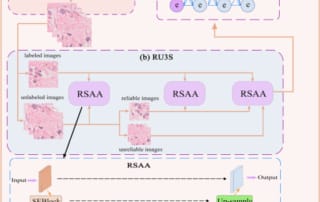
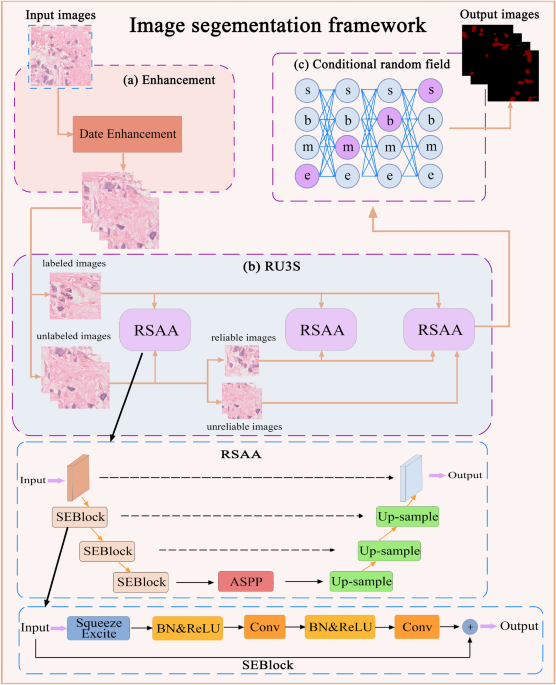
The integration of artificial intelligence (AI) and computer vision is set to transform the analysis of cytopathological images, particularly crucial for developing countries where the shortage of medical professionals makes manual image analysis a daunting challenge.
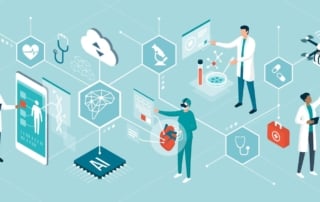
In the rapidly evolving world of healthcare technology, the rise of telemedicine and remote patient monitoring has opened new frontiers for patient care. However, these advancements also widen the footprint for potential vulnerabilities, making data protection more crucial than ever.
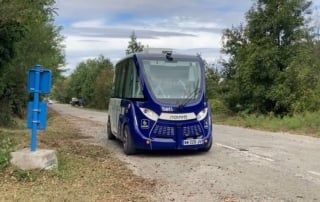
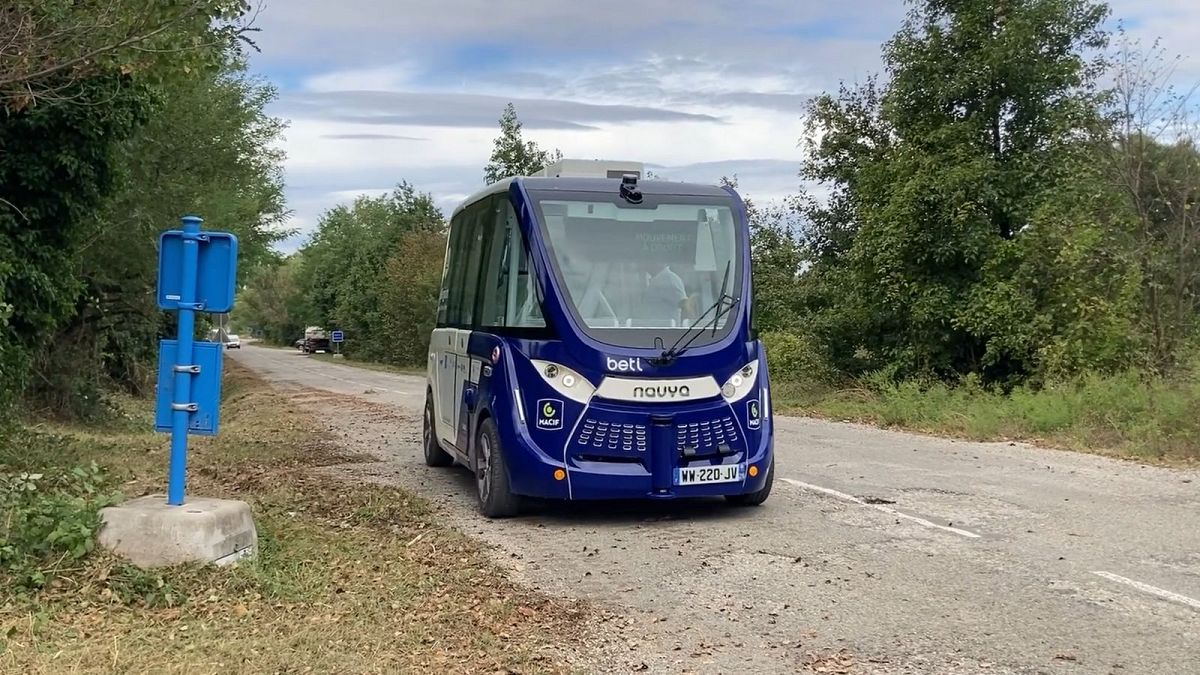
The introduction of these shuttles in Val de Drôme - Crest, where the population density is significantly lower than the national average, has been met with positive feedback. Residents appreciate the newfound mobility options, especially in areas where alternatives are limited. Arnaud noted, "The question of acceptability arises when you have the luxury of having other options. When you don't have a choice, you're very happy to have [the shuttle]."
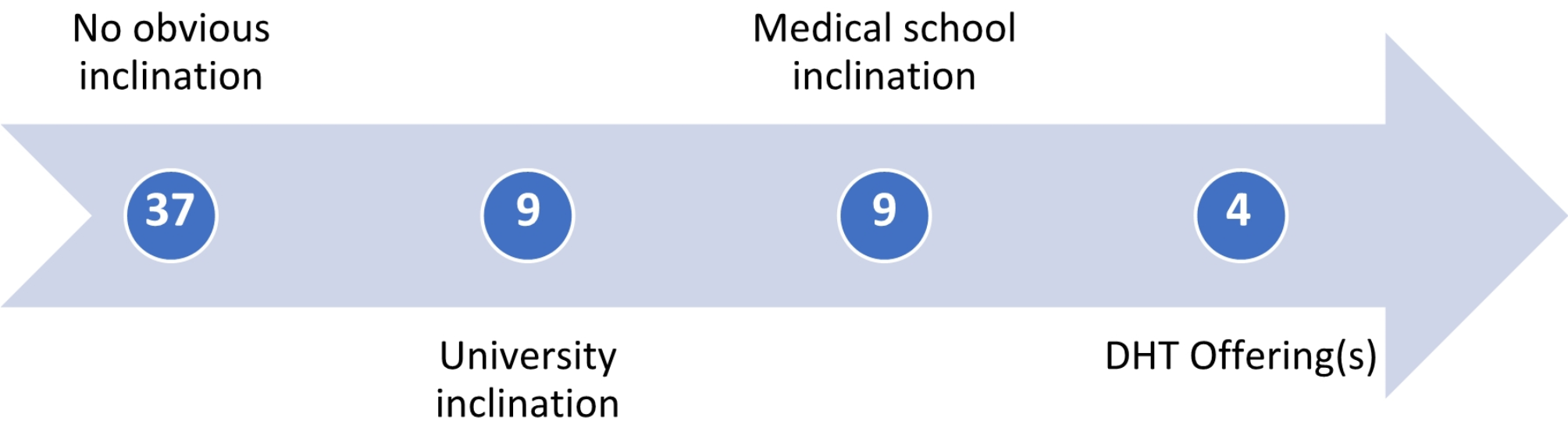
The University of South Dakota is poised to revolutionize its approach to healthcare education through a substantial $1.1 million federal grant. This transformative initiative is a collaborative effort to enhance telehealth services, aiming to improve healthcare access, particularly in rural areas.