GAO Pushes FHFA to Rein in Fair Lending Risks as AI Accelerates Mortgage Technology

Digital key unlocking smart home security

The rapid rise of property technology and artificial intelligence in the homebuying process has prompted a major call to action from the Government Accountability Office (GAO). In a deeply detailed report, the GAO urges the Federal Housing Finance Agency (FHFA) to provide clear, written guidance for Fannie Mae and Freddie Mac on maintaining full fair‑lending compliance as digital tools continue reshaping the mortgage landscape.

This development, highlighted by HousingWire, arrives at a pivotal moment. AI‑driven valuation tools, automated underwriting systems, smart advertising algorithms, and digital e‑closing platforms are becoming integral to the modern homebuying journey. And while these tools promise efficiency, speed, and broader access, the GAO warns of their potential to unintentionally perpetuate discrimination.

Where Technology Meets Fair Lending Risk

According to the GAO, several rapidly emerging technology categories introduce possible violations of fair housing laws:

• Chatbots or algorithmic advertising that may steer protected groups toward certain listings
• Automated valuation models based on historical price patterns shaped by discrimination
• Underwriting algorithms inheriting biases from decades of lending practices
• E‑closing systems that reduce paperwork but present wire‑fraud vulnerabilities

The concern isn’t that AI is intentionally discriminatory — it’s that models trained on biased historical data may quietly replicate old inequalities in new digital systems.

A Regulatory Landscape in Flux

The GAO’s report responds to a request from Rep. Maxine Waters and Sen. Elizabeth Warren, who sought urgent clarity on the growing intersection of AI, proptech, and housing fairness. Their concerns are timely: the FHFA has recently shifted priorities and revised several oversight procedures, including key components of its fair‑lending framework.

While FHFA has conducted examinations of valuation and underwriting technology, agencies like the CFPB, FTC, and HUD have not yet adopted similar product‑focused oversight models. According to the GAO, FHFA’s recent rule changes intensify the need for updated written direction so Fannie Mae and Freddie Mac clearly understand federal expectations.

In a letter attached to the report, Christopher Bosland, deputy director for FHFA’s Division of Enterprise Regulation, reaffirmed that both enterprises remain responsible for complying with all fair lending laws. He referenced a 2019 advisory bulletin as part of FHFA’s current compliance expectations.

Why This Matters for Today’s Real Estate and Mortgage Professionals

As proptech and AI become woven into how homes are marketed, valued, and financed, real estate and mortgage professionals must stay ahead of both innovation and regulation. Fair‑lending compliance is no longer only a policy issue — it has become a technical discipline.

For agents, loan officers, underwriters, appraisers, and compliance specialists aiming to deepen their understanding, education is now an essential advantage. Cameron Academy continues to support professionals across the country with licensing and continuing‑education programs designed to keep them informed, competitive, and compliant in a rapidly evolving landscape.

The Bigger Picture: Tech Isn’t Slowing Down

The GAO’s message is unmistakable: innovation is accelerating faster than regulation can keep up. With AI advancing daily and federal guidance still forming, the responsibility falls on both regulators and industry professionals to ensure modern tools do not reinforce longstanding inequities.

For now, all eyes are on the FHFA as the industry awaits potential formal guidance — and how it will shape the future of fair lending in an increasingly digital housing market.

To explore the full original report and stay updated, visit HousingWire’s complete coverage.

More Articles

Getting licensed or staying ahead in your career can be a journey—but it doesn’t have to be overwhelming. Grab your favorite coffee or tea, take a moment to relax, and browse through our articles. Whether you’re just starting out or renewing your expertise, we’ve got tips, insights, and advice to keep you moving forward. Here’s to your success—one sip and one step at a time!

Phoenix Housing Market Surges Ahead of the Nation in 2025

The Phoenix housing market continues to outperform the rest of the country, posting stronger sales, rising equity, and an influx of qualified buyers. With closed sales, pending sales, new listings, and median prices all trending upward, the Valley is outpacing national growth by a wide margin. City‑level data shows impressive strength across Scottsdale, Goodyear, Gilbert, Phoenix, and more—making 2025 a powerful year for agents, investors, and professionals watching the Arizona market.

20 High-Demand Jobs to Watch as 2026 Approaches — Major Events Are Fueling New Opportunities

With the 2026 FIFA World Cup and America’s 250th birthday celebrations on the horizon, the U.S. job market is gearing up for a surge across multiple industries. Seasonal, flexible, and part‑time roles are expected to rise—especially for workers 50+ who have struggled in a cooling labor market. From accounting and HR leadership to event staffing and delivery driving, major cities are preparing for increased hiring tied to tourism, infrastructure, and yearlong national celebrations. Many of these fast‑growing roles connect directly to licensing and certification pathways, giving professionals new chances to pivot or upskill through programs offered by Cameron Academy.

New Florida Laws Taking Effect January 1, 2026: Key Updates for Professionals

Florida is rolling out a new wave of laws on January 1, 2026 that will impact professionals in real estate, insurance, healthcare, education, and other regulated industries. From new insurance rules and healthcare billing requirements to condo association deadlines and statewide databases, these updates reshape compliance expectations across the state. Whether you work in property, finance, or public‑facing services, understanding these changes is essential for staying aligned with Florida’s evolving regulations.

Commercial Real Estate Pros Are Almost All Bullish on 2026

Nearly every commercial real estate professional is expecting a stronger year ahead, with 97% predicting increased or stable activity in 2026, according to Avison Young’s latest outlook. Confidence has surged dramatically since mid‑2025 as strong sales, anticipated rate cuts, and improving fundamentals across key sectors signal that CRE recovery and growth may finally be taking hold.

Dallas‑Fort Worth’s 2025 Boom: The Metroplex Redefining U.S. Growth

Dallas‑Fort Worth is finishing 2025 as the nation’s top real estate and business powerhouse, fueled by corporate relocations, a dominant industrial sector, infrastructure megaprojects, and a rapidly evolving workforce landscape. From data center expansion to the launch of the DART Silver Line, the region continues to outpace national trends—while also confronting a growing demand for skilled professionals and licensed talent across construction, real estate, and technical fields.

FEMA and NJDEP Unveil New Morris County Flood Maps, Triggering Key Changes for Property Owners and Professionals

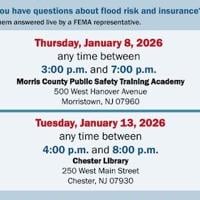
FEMA and the NJDEP have released revised preliminary flood maps for Morris County, reshaping how homeowners, real estate agents, insurers, and mortgage professionals assess flood risk. The updated FIRMs may shift properties into or out of higher‑risk zones, affecting insurance requirements, closing processes, and long‑term property values. With public review and appeals ahead, industry professionals are urged to study the changes now and prepare clients for potential impacts.