Gen Z, RichTok, and the Race for Financial Independence: Why Young Investors Are Getting Their Money Advice From Social Media
A new Fortune deep dive reveals something older generations may find surprising: more than half of Gen Z investors say they entered the stock market because of social media. Not textbooks. Not traditional advisors. TikTok, Instagram, YouTube, and the viral world of #RichTok.
The study—part of a five-year survey of 300,000 people by the Oliver Wyman Forum—shows that 55% of Gen Z and 44% of millennials credit social media as the top influence in their decision to start investing. For a generation raised on short videos, curated lifestyles, and algorithm-powered advice, the typical financial advisor in a suit is no longer the go-to.
The Rise of Finance Influencers (and “Funance”)
Creators like Vivian Tu, known as Your Rich BFF, have made investing feel approachable. Tu, with millions of followers across TikTok and Instagram, turns complex financial concepts into digestible, entertaining content—sometimes comparing stock market dynamics to the Kardashians or The Real Housewives.
Then there’s Rebecca Ma, aka Becca Bloom, whose luxury lifestyle content—feeding her cat caviar, filming her designer hauls—draws millions of views. While not a financial educator, her aspirational lifestyle embodies the dream fueling many Gen Z investment decisions: financial independence and the freedom to live big.
According to Fortune’s reporting, the rising pressure to “make it” is real. In 2022, only 18% of people said they felt financial pressure as a marker of success. By 2025, that number jumped to 33%, ballooning even higher among low-income earners and baby boomers nearing retirement.
Gen Z Is Investing Earlier Than Any Generation Before
A World Economic Forum survey found that over half of Gen Z began learning about investing before even entering the workforce—compared to only 20% of Baby Boomers. Nearly a third of Gen Z began investing in college or early adulthood, double the rate of millennials.
The driver? Economic uncertainty. With a shaky job market and pessimism about the future of Social Security, Gen Z is laser-focused on building wealth early and independently. As Natalya Guseva of the World Economic Forum put it, Gen Z increasingly believes they “can’t rely on governments and pensions” the way previous generations did.
AI Is Becoming Gen Z’s Financial Advisor
Younger investors are embracing artificial intelligence at unprecedented levels. Nearly half of participants in the Oliver Wyman survey said they consult AI when investing—up sharply from the previous year.
Interestingly, Gen Z mostly uses AI as a teacher or “sounding board,” not a fully autonomous investor. Many say AI makes them feel more understood than human advisors. And in a revealing trend, Gen Z trusts institutions more when those institutions offer AI-powered tools.
Crypto: The Default Entry Point for Young Investors
While older generations build portfolios of stocks, bonds, and diversified assets, Gen Z leans heavily toward cryptocurrency. According to the WEF survey, crypto represents more than one-third of the portfolios of 71% of Gen Z investors—far higher than any other age group.
The reason isn’t just exposure. Guseva notes that crypto has outperformed traditional finance in marketing and accessibility. Gen Z finds crypto easier to access and even easier to “understand” than stocks or bonds.
This shift highlights a generation eager for high-risk, high-reward opportunities—and skeptical of slow, traditional paths toward wealth.
What This Means for the Future of Financial Education
Gen Z’s hunger for financial literacy is undeniable. They want independence, stability, and options—and they’re turning to creators, AI, and alternative assets to get there. But while social platforms offer speed and entertainment, professionals know that financial literacy built on structure—not virality—is what leads to long-term success.
That’s where institutions like Cameron Academy quietly make a difference. Whether someone is pursuing real estate, finance, mortgages, insurance, or other licensed careers, structured education provides the foundation TikTok alone can’t supply. The new generation wants freedom—and knowledge remains the most powerful shortcut to achieving it.
As Gen Z continues redefining money, markets, and success, one thing is clear: they aren’t waiting for permission. They’re building their futures now—one #RichTok, investment app, and AI-powered decision at a time.
More Articles
Getting licensed or staying ahead in your career can be a journey—but it doesn’t have to be overwhelming. Grab your favorite coffee or tea, take a moment to relax, and browse through our articles. Whether you’re just starting out or renewing your expertise, we’ve got tips, insights, and advice to keep you moving forward. Here’s to your success—one sip and one step at a time!
Artificial intelligence has shifted from futuristic idea to everyday assistant for real estate professionals. Instead of replacing agents, AI now enhances their workflows—automating repetitive tasks, improving communication, strengthening branding, and turning complex market data into clear insights. From smarter CRMs to AI-powered marketing tools, today’s agents can focus more on relationships and client service while technology handles the busywork behind the scenes.
A Florida House committee is advancing a bill that would crack down on insurers shifting profits to affiliated companies — a practice highlighted by recent investigative reporting. With premiums soaring and options shrinking, the proposed oversight could reshape the state’s insurance landscape and create ripple effects across the real estate market, impacting buyers, agents, and investors statewide.
Proptech podcast *Tangent* marks its 100th episode with an inside look at Airbnb’s evolving role in multifamily housing. Featuring Airbnb Real Estate Marketing Leader Eliza Lochner, the episode explores the rapid growth of Airbnb‑friendly apartments, the rise of flexible‑living models, and why renters and property owners are increasingly embracing hosting as a way to balance affordability, transparency, and control. For today’s real estate professionals—especially in fast‑changing markets like Florida—the conversation highlights major shifts in tenant expectations, property management strategies, and the intersection of technology, hospitality, and residential development.
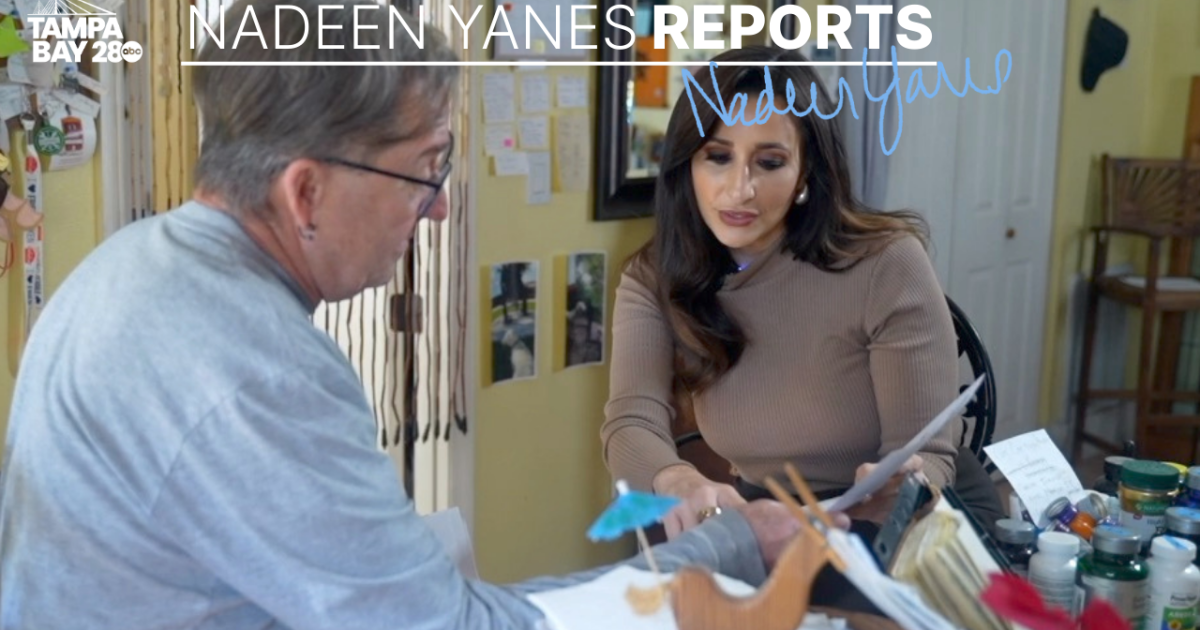
A Tampa Heights homeowner has joined the growing wave of Floridians dropping property insurance altogether after his 2026 renewal skyrocketed to $14,523. With up to 20% of residents now going bare, experts warn that soaring rates, shrinking coverage options, and post‑storm losses are pushing many to take risky measures — even as alternatives like liability‑only plans, dropped wind coverage, or home‑hardening upgrades may offer relief.
A major ERAS overhaul is coming in 2027, replacing the familiar “publications” field with a more rigorous category called “scholarly works.” Only peer‑reviewed submissions—such as manuscripts, abstracts, book chapters, and presentations—will qualify, shifting greater emphasis toward high‑quality research. While the change aims to give residency directors clearer insight into applicants’ academic contributions, many students worry that advocacy and policy work may lose visibility. As programs lean more heavily on research output in a post–Step 1 pass/fail era, future applicants will need to showcase not just what they’ve produced, but the depth and meaning behind it.
Mortgage rates have ticked back up to 6.25% after a brief dip, signaling a return to stability in the housing market. With rising inventory, moderating prices, and forecasts calling for steady rates through 2026, real estate and finance professionals can expect a more predictable environment ahead. This shift opens the door to smoother transactions, improved buyer confidence, and stronger opportunities for career growth across mortgage, real estate, insurance, and related fields.