Gen Z, RichTok, and the Race for Financial Independence: Why Young Investors Are Getting Their Money Advice From Social Media
A new Fortune deep dive reveals something older generations may find surprising: more than half of Gen Z investors say they entered the stock market because of social media. Not textbooks. Not traditional advisors. TikTok, Instagram, YouTube, and the viral world of #RichTok.
The study—part of a five-year survey of 300,000 people by the Oliver Wyman Forum—shows that 55% of Gen Z and 44% of millennials credit social media as the top influence in their decision to start investing. For a generation raised on short videos, curated lifestyles, and algorithm-powered advice, the typical financial advisor in a suit is no longer the go-to.
The Rise of Finance Influencers (and “Funance”)
Creators like Vivian Tu, known as Your Rich BFF, have made investing feel approachable. Tu, with millions of followers across TikTok and Instagram, turns complex financial concepts into digestible, entertaining content—sometimes comparing stock market dynamics to the Kardashians or The Real Housewives.
Then there’s Rebecca Ma, aka Becca Bloom, whose luxury lifestyle content—feeding her cat caviar, filming her designer hauls—draws millions of views. While not a financial educator, her aspirational lifestyle embodies the dream fueling many Gen Z investment decisions: financial independence and the freedom to live big.
According to Fortune’s reporting, the rising pressure to “make it” is real. In 2022, only 18% of people said they felt financial pressure as a marker of success. By 2025, that number jumped to 33%, ballooning even higher among low-income earners and baby boomers nearing retirement.
Gen Z Is Investing Earlier Than Any Generation Before
A World Economic Forum survey found that over half of Gen Z began learning about investing before even entering the workforce—compared to only 20% of Baby Boomers. Nearly a third of Gen Z began investing in college or early adulthood, double the rate of millennials.
The driver? Economic uncertainty. With a shaky job market and pessimism about the future of Social Security, Gen Z is laser-focused on building wealth early and independently. As Natalya Guseva of the World Economic Forum put it, Gen Z increasingly believes they “can’t rely on governments and pensions” the way previous generations did.
AI Is Becoming Gen Z’s Financial Advisor
Younger investors are embracing artificial intelligence at unprecedented levels. Nearly half of participants in the Oliver Wyman survey said they consult AI when investing—up sharply from the previous year.
Interestingly, Gen Z mostly uses AI as a teacher or “sounding board,” not a fully autonomous investor. Many say AI makes them feel more understood than human advisors. And in a revealing trend, Gen Z trusts institutions more when those institutions offer AI-powered tools.
Crypto: The Default Entry Point for Young Investors
While older generations build portfolios of stocks, bonds, and diversified assets, Gen Z leans heavily toward cryptocurrency. According to the WEF survey, crypto represents more than one-third of the portfolios of 71% of Gen Z investors—far higher than any other age group.
The reason isn’t just exposure. Guseva notes that crypto has outperformed traditional finance in marketing and accessibility. Gen Z finds crypto easier to access and even easier to “understand” than stocks or bonds.
This shift highlights a generation eager for high-risk, high-reward opportunities—and skeptical of slow, traditional paths toward wealth.
What This Means for the Future of Financial Education
Gen Z’s hunger for financial literacy is undeniable. They want independence, stability, and options—and they’re turning to creators, AI, and alternative assets to get there. But while social platforms offer speed and entertainment, professionals know that financial literacy built on structure—not virality—is what leads to long-term success.
That’s where institutions like Cameron Academy quietly make a difference. Whether someone is pursuing real estate, finance, mortgages, insurance, or other licensed careers, structured education provides the foundation TikTok alone can’t supply. The new generation wants freedom—and knowledge remains the most powerful shortcut to achieving it.
As Gen Z continues redefining money, markets, and success, one thing is clear: they aren’t waiting for permission. They’re building their futures now—one #RichTok, investment app, and AI-powered decision at a time.
More Articles
Getting licensed or staying ahead in your career can be a journey—but it doesn’t have to be overwhelming. Grab your favorite coffee or tea, take a moment to relax, and browse through our articles. Whether you’re just starting out or renewing your expertise, we’ve got tips, insights, and advice to keep you moving forward. Here’s to your success—one sip and one step at a time!
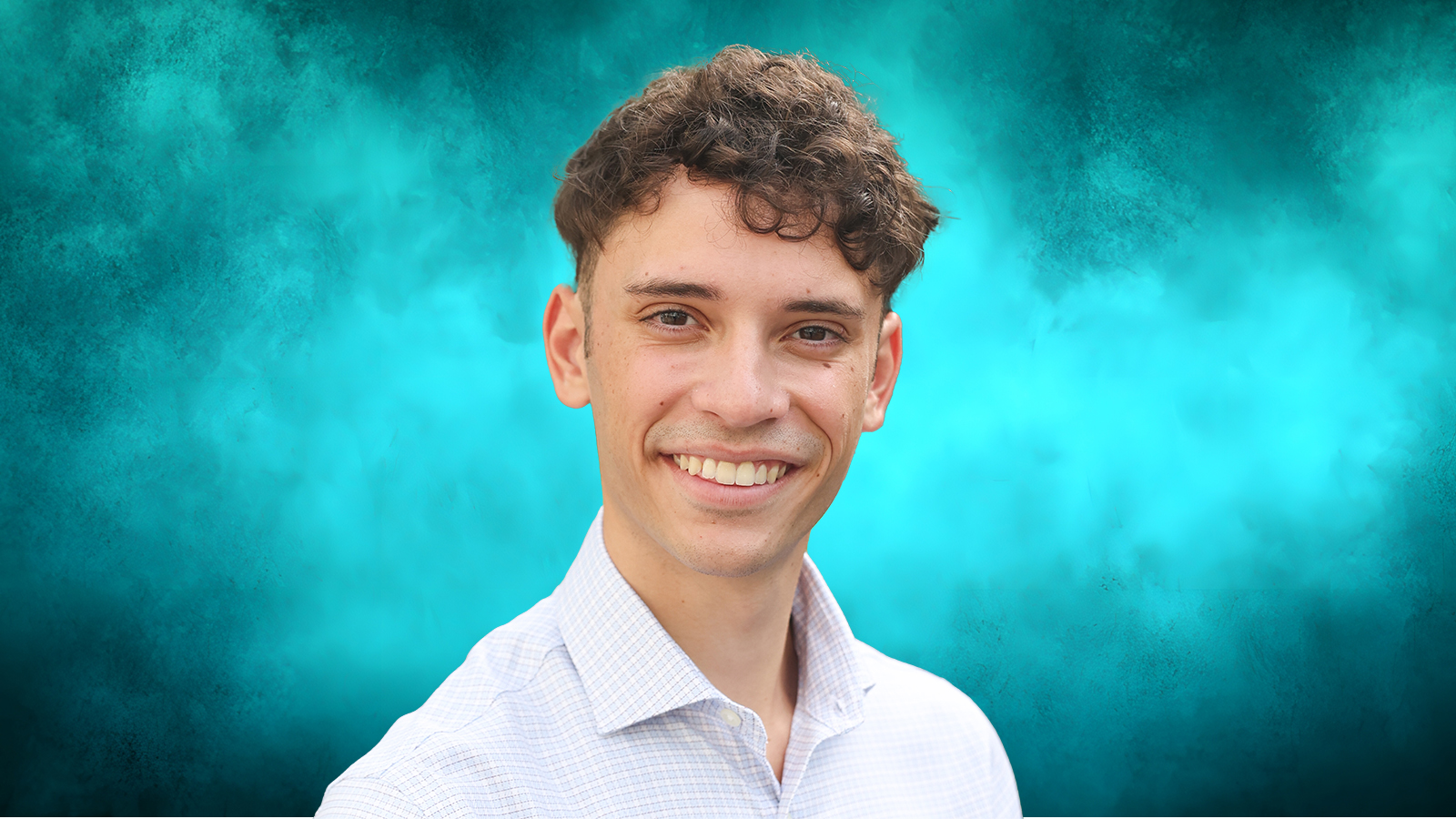
Florida families are feeling the squeeze as everyday costs, insurance premiums, and homeownership barriers continue to climb. House District 102 candidate Jayden D’Onofrio is calling for a broader, more unified affordability strategy—one that tackles the state’s insurance crisis, supports first‑time homebuyers, and restores real competition in the market. His message centers on transparency, practical solutions, and keeping Florida livable for the professionals, workers, and families who power its economy.
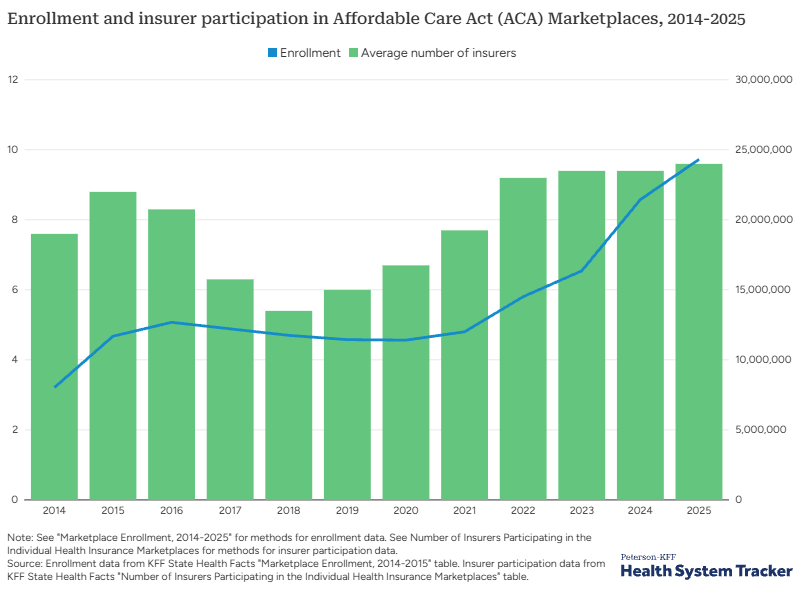
A decade of dramatic change is reshaping America’s health insurance markets. Employer group plans are becoming increasingly dominated by a few powerful insurers, while the ACA individual marketplace is experiencing record‑breaking competition and enrollment. Self‑funded plans are surging, small‑group premiums are driving employers to new coverage models, and major policy shifts in 2025 could redefine affordability for millions. This data‑driven Peterson‑KFF analysis breaks down the trends every insurance, finance, and business professional needs to understand as the industry enters a transformative new era.
Sarasota County is inching closer to approving Winchester Ranch, a massive 8,999‑home community planned for more than 3,100 acres in North Port. With a 7‑1 vote from the Planning Commission and a final decision expected in early 2026, the project could become one of Southwest Florida’s largest developments in decades—bringing new housing, commercial space, and industry while raising fresh questions about growth, the environment, and the region’s rapidly evolving real estate market.
Lument Finance Trust has closed a major $663.8 million commercial real estate CLO, marking one of the standout CRE finance deals of 2025. The transaction, LMNT 2025-FL3, features a strong reinvestment period, non‑recourse and non‑mark‑to‑market financing, and a diversified pool of 32 loans tied to 49 properties nationwide. With J.P. Morgan leading the structuring and more than $585 million placed in investment‑grade securities, the deal highlights renewed stability in transitional CRE debt—making it a development real estate and finance professionals will want to watch closely.
Walmart has partnered with Alquist 3D to roll out the nation’s first large‑scale wave of 3D‑printed commercial buildings, signaling a major shift in how future retail and industrial spaces will be constructed. After completing an 8,000‑square‑foot 3D‑printed expansion in Tennessee—the largest of its kind—the company is moving forward with over a dozen new projects nationwide, accelerating a tech‑driven transformation in commercial real estate.
Citizens Property Insurance Corp. is recommending statewide rate reductions for 2026—the first proposed decrease in more than a decade. Most Citizens policyholders could see an average 11.5% drop, reflecting recent insurance‑market reforms that have stabilized Florida’s turbulent property sector. With hundreds of thousands of policies moving back to private insurers and state‑backed Citizens shrinking to record‑low enrollment, real estate and insurance professionals should prepare for how lower premiums may influence affordability, buyer confidence, and market activity heading into 2026.