Gene Editing: A Promising Frontier in Biotechnology
Gene editing technology is swiftly emerging as a transformative force in both healthcare and agriculture. This innovation, particularly through tools like
CRISPR-Cas9, is reshaping the landscape of biotechnology by providing precise methods to modify genes. Such advancements promise to revolutionize the treatment of genetic disorders, cancer, and
infectious diseases.
Healthcare Innovation and Investment
In healthcare,
gene editing is not only enhancing the understanding of disease causes but also paving the way for personalized medicine. The initial high costs and time-consuming processes associated with
gene editing have significantly decreased, making production now a matter of days. This reduction has spurred strategic investments in research and development, crucial for advancing new treatments.
Venture capital firms and public funding sources have shown keen interest in early-stage biotech companies focused on
gene editing. These investments are vital for supporting research, development, and clinical trials, ultimately leading to groundbreaking treatments. Collaborations between biotech startups, pharmaceutical companies, and academic institutions further bolster this progress by sharing costs and accelerating the development of new therapies.
Revolutionizing Agriculture
In agriculture,
gene editing holds the potential to create
stronger, more sustainable, and nutritious crops. By enabling precise modifications to plant genes, scientists can develop crops that resist pests, diseases, and harsh environmental conditions. This technology also offers the possibility of reducing pesticide use, thereby lowering greenhouse gas emissions and promoting biodiversity.
Ethical Considerations and Regulatory Frameworks
While the potential of
gene editing is immense, it is accompanied by ethical concerns. Debates persist over its use in enhancing human abilities or creating designer children, as well as its potential to exacerbate social inequalities. It is crucial that regulatory frameworks evolve alongside technological advancements to ensure ethical and safe applications of
gene editing. Agencies like the
FDA play a pivotal role in regulating the approval and sale of gene-edited products.
Economic Prospects with Ethical Guardrails
The economic potential of
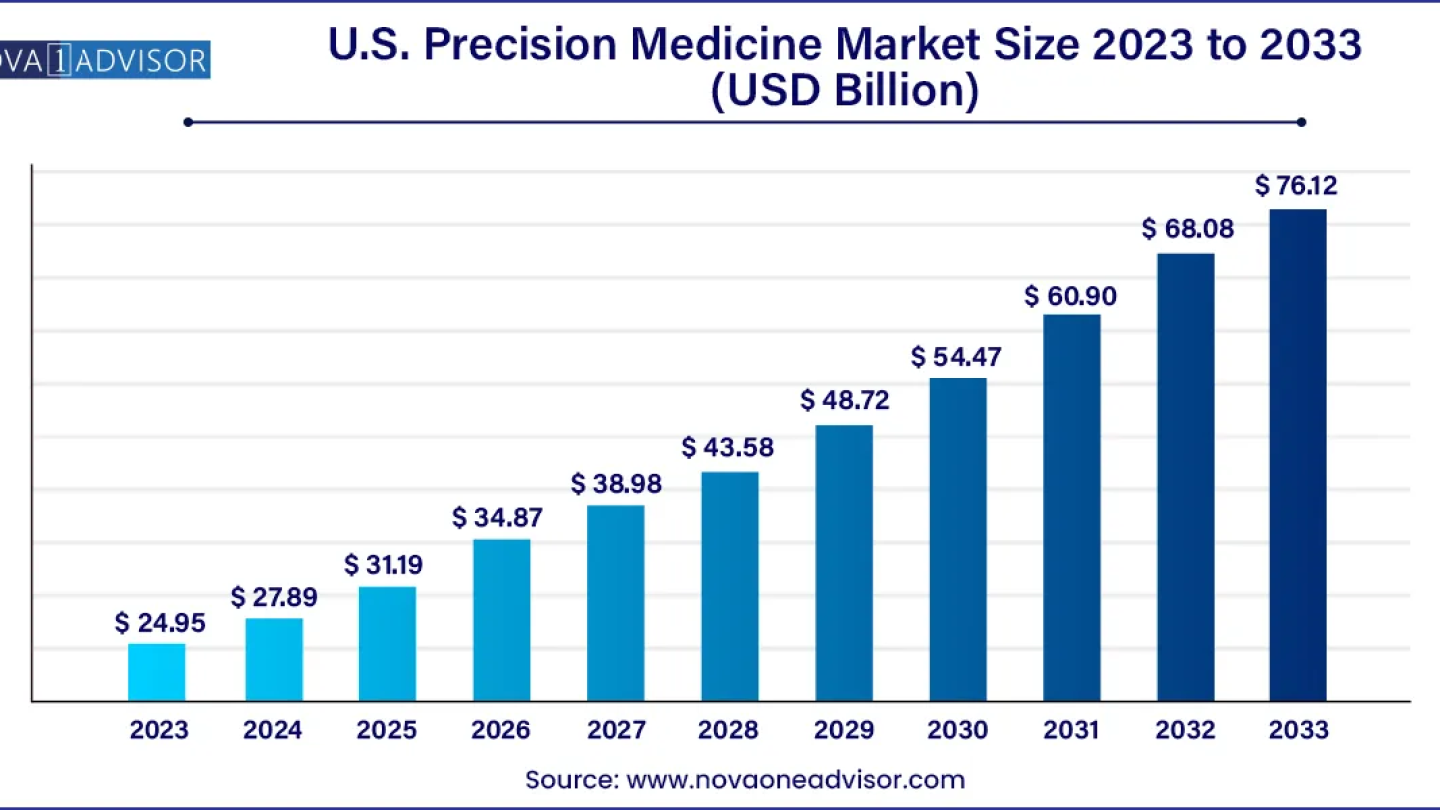
gene editing is substantial, with experts predicting significant market growth driven by research, partnerships, and new therapies. However, ethical considerations must guide investments to ensure responsible and fair use of this technology. As highlighted in the
original article from Forbes, an “
ethics first, investment second” approach is essential for navigating the complex landscape of
gene editing.
Conclusion
Gene editing technology offers remarkable opportunities for advancing healthcare and agriculture while posing significant ethical challenges. As investments continue to flow into this promising field, it is imperative to balance scientific progress with ethical responsibility to ensure a future where
gene editing benefits humanity as a whole.