Gene Editing: A Promising Frontier in Biotechnology

Gene editing technology is swiftly emerging as a transformative force in both healthcare and agriculture. This innovation, particularly through tools like CRISPR-Cas9, is reshaping the landscape of biotechnology by providing precise methods to modify genes. Such advancements promise to revolutionize the treatment of genetic disorders, cancer, and infectious diseases.

Healthcare Innovation and Investment

In healthcare, gene editing is not only enhancing the understanding of disease causes but also paving the way for personalized medicine. The initial high costs and time-consuming processes associated with gene editing have significantly decreased, making production now a matter of days. This reduction has spurred strategic investments in research and development, crucial for advancing new treatments. Venture capital firms and public funding sources have shown keen interest in early-stage biotech companies focused on gene editing. These investments are vital for supporting research, development, and clinical trials, ultimately leading to groundbreaking treatments. Collaborations between biotech startups, pharmaceutical companies, and academic institutions further bolster this progress by sharing costs and accelerating the development of new therapies.

Revolutionizing Agriculture

In agriculture, gene editing holds the potential to create stronger, more sustainable, and nutritious crops. By enabling precise modifications to plant genes, scientists can develop crops that resist pests, diseases, and harsh environmental conditions. This technology also offers the possibility of reducing pesticide use, thereby lowering greenhouse gas emissions and promoting biodiversity.

Ethical Considerations and Regulatory Frameworks

While the potential of gene editing is immense, it is accompanied by ethical concerns. Debates persist over its use in enhancing human abilities or creating designer children, as well as its potential to exacerbate social inequalities. It is crucial that regulatory frameworks evolve alongside technological advancements to ensure ethical and safe applications of gene editing. Agencies like the FDA play a pivotal role in regulating the approval and sale of gene-edited products.

Economic Prospects with Ethical Guardrails

The economic potential of gene editing is substantial, with experts predicting significant market growth driven by research, partnerships, and new therapies. However, ethical considerations must guide investments to ensure responsible and fair use of this technology. As highlighted in the original article from Forbes, an “ethics first, investment second” approach is essential for navigating the complex landscape of gene editing.
Conclusion Gene editing technology offers remarkable opportunities for advancing healthcare and agriculture while posing significant ethical challenges. As investments continue to flow into this promising field, it is imperative to balance scientific progress with ethical responsibility to ensure a future where gene editing benefits humanity as a whole.

More Articles

Getting licensed or staying ahead in your career can be a journey—but it doesn’t have to be overwhelming. Grab your favorite coffee or tea, take a moment to relax, and browse through our articles. Whether you’re just starting out or renewing your expertise, we’ve got tips, insights, and advice to keep you moving forward. Here’s to your success—one sip and one step at a time!

Building an Integrated Approach to Real Estate Sustainability

Nearly 60% of global real estate CFOs lack the necessary data, processes, or internal controls to comply with current environmental regulations.

The Blockchain Revolution: Building the Future of Finance with DeFi

DeFi emerges as a beacon of transformation, promising to revolutionize how we interact with money. DeFi stands at the forefront, offering instant, transparent transactions without the constraints of conventional banking systems. This new paradigm opens doors to innovative investment opportunities and fosters a more inclusive global economy.

By |December 8, 2024|Categories: Article, Finance, Technology|Tags: , |0 Comments

Artificial Intelligence: A New Frontier in Neurological Care

AI's integration into neurology is not just a fleeting trend; it's a significant shift in how healthcare professionals approach complex neurological disorders.

By |December 8, 2024|Categories: Article, Healthcare, Technology|Tags: , |0 Comments

Celebrating Commitment to Physician Well-being

The American Medical Association (AMA) has recognized 62 health care organizations through its Joy in Medicine™ Health System Recognition Program. These organizations, representing over 140,000 physicians, have been acknowledged for their innovative strategies aimed at reducing stress and enhancing mental health among doctors.

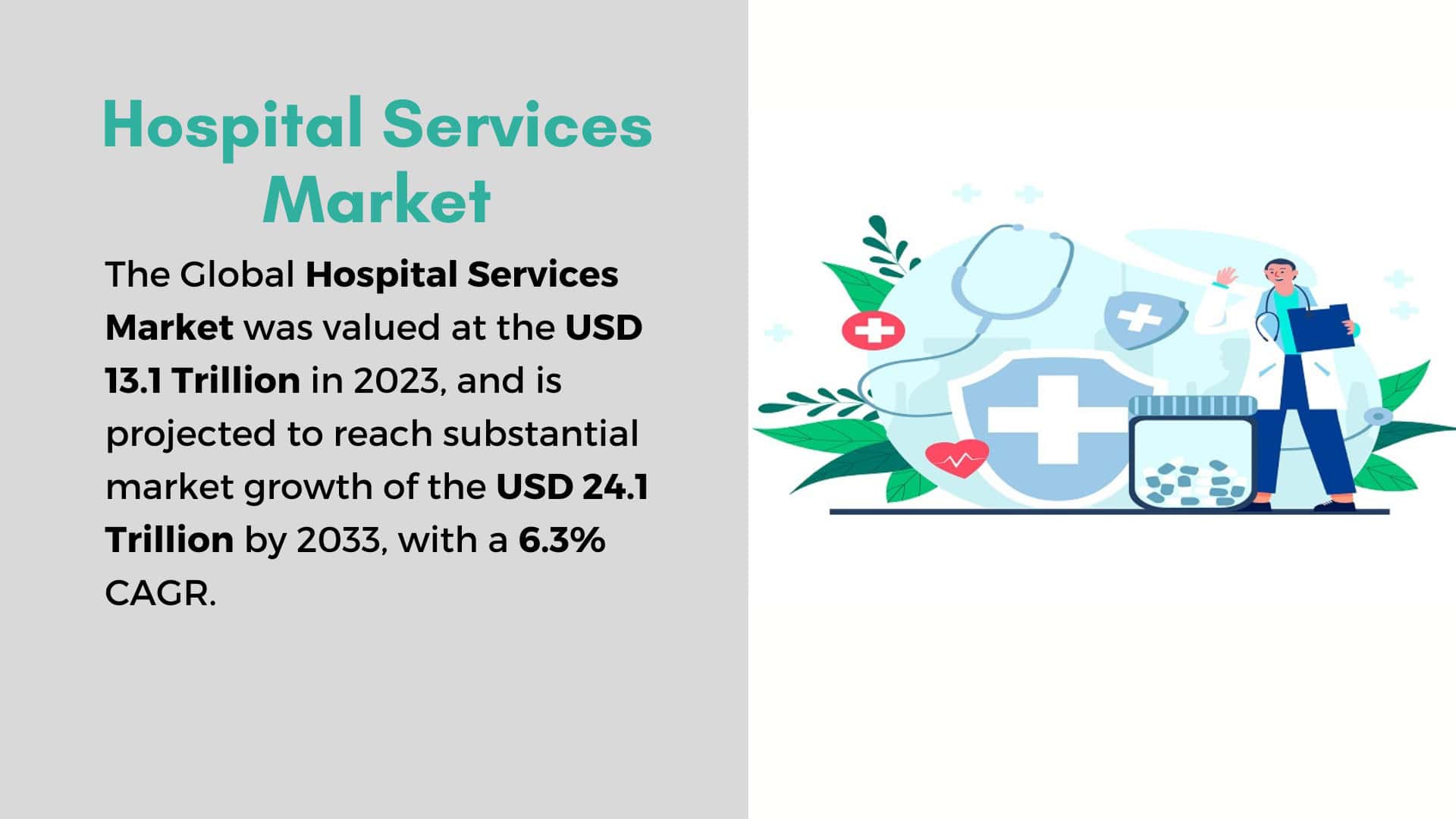
Global Hospital Services Market Set for Substantial Growth

The global hospital services market is undergoing a significant transformation, with projections indicating robust growth over the next decade. As of 2023, the market was valued at USD 13.1 trillion and is expected to soar to an impressive USD 24.1 trillion by 2033, boasting a compound annual growth rate (CAGR) of 6.3%. This optimistic forecast, reported by Market.us Media, is driven by advancements in medical technology, increased healthcare expenditures, and the rising prevalence of chronic diseases.

By |December 7, 2024|Categories: Article, Healthcare, Market Analysis|Tags: , |0 Comments

Unlocking the Potential of Modular Construction in Ontario’s Housing Market

In the bustling realm of Ontario's housing market, modular construction is emerging as a beacon of hope amid a pressing demand for new homes.


By |December 7, 2024|Categories: Article, Construction, Technology|Tags: , |0 Comments