In a world where the boundaries of science and ethics are constantly tested, the story of gene editing stands out as both a beacon of hope and a cautionary tale. The journey began with Jennifer Doudna’s groundbreaking discovery of CRISPR, a tool that allows for precise modifications to DNA. This innovation opened the door to possibilities that were once the realm of science fiction, allowing humanity to potentially alter its own genetic destiny.
One of the most controversial chapters in this saga was written by He Jiankui, a Chinese biophysicist who, as reported in the MIT Technology Review, created the first “CRISPR babies” with the aim of making them immune to HIV. This bold move led to his imprisonment and sparked a global debate on the ethics of genetic manipulation.
The Ethical Quagmire
The implications of editing the human genome are profound. As highlighted in the original article, the potential to change human evolution raises questions about morality and the long-term effects on our species. Gene editing in embryos, which is restricted or illegal in many parts of the world, could lead to a future where genetic enhancements are commonplace, potentially creating a new form of inequality.
Scientific Perspectives
Experts like George Church and Fyodor Urnov offer varied insights into the future of genetic editing. Church envisions a world where enhancements are as common as consumer technology, while Urnov warns of the potential for misuse and the ethical dilemmas that accompany such power. The article also references He Jiankui’s announcement of his intention to continue research, albeit with more caution.
The Road Ahead
As technology continues to advance, the line between enhancement and therapy becomes increasingly blurred. The biotechnology industry is already exploring ways to emulate beneficial genetic variants, potentially offering enhancements to those who can afford them. This raises concerns about accessibility and fairness, as well as the potential for unforeseen consequences.
The future of human evolution, as discussed in the article, may not rely solely on editing embryos. Instead, advances in delivering CRISPR technology to adults could democratize genetic enhancements, making them available to a broader population. However, this also opens the door to new risks, including the possibility of unauthorized genetic modifications.
Conclusion
The potential to rewrite the human genome is both exhilarating and daunting. As we stand on the brink of a new era in biotechnology, the choices we make today will shape the future of our species. The conversation around gene editing is far from over, and it remains to be seen whether humanity will wield this power with wisdom and responsibility.
More Articles
Getting licensed or staying ahead in your career can be a journey—but it doesn’t have to be overwhelming. Grab your favorite coffee or tea, take a moment to relax, and browse through our articles. Whether you’re just starting out or renewing your expertise, we’ve got tips, insights, and advice to keep you moving forward. Here’s to your success—one sip and one step at a time!
The Phoenix housing market continues to outperform the rest of the country, posting stronger sales, rising equity, and an influx of qualified buyers. With closed sales, pending sales, new listings, and median prices all trending upward, the Valley is outpacing national growth by a wide margin. City‑level data shows impressive strength across Scottsdale, Goodyear, Gilbert, Phoenix, and more—making 2025 a powerful year for agents, investors, and professionals watching the Arizona market.
With the 2026 FIFA World Cup and America’s 250th birthday celebrations on the horizon, the U.S. job market is gearing up for a surge across multiple industries. Seasonal, flexible, and part‑time roles are expected to rise—especially for workers 50+ who have struggled in a cooling labor market. From accounting and HR leadership to event staffing and delivery driving, major cities are preparing for increased hiring tied to tourism, infrastructure, and yearlong national celebrations. Many of these fast‑growing roles connect directly to licensing and certification pathways, giving professionals new chances to pivot or upskill through programs offered by Cameron Academy.
Florida is rolling out a new wave of laws on January 1, 2026 that will impact professionals in real estate, insurance, healthcare, education, and other regulated industries. From new insurance rules and healthcare billing requirements to condo association deadlines and statewide databases, these updates reshape compliance expectations across the state. Whether you work in property, finance, or public‑facing services, understanding these changes is essential for staying aligned with Florida’s evolving regulations.
Nearly every commercial real estate professional is expecting a stronger year ahead, with 97% predicting increased or stable activity in 2026, according to Avison Young’s latest outlook. Confidence has surged dramatically since mid‑2025 as strong sales, anticipated rate cuts, and improving fundamentals across key sectors signal that CRE recovery and growth may finally be taking hold.
Dallas‑Fort Worth is finishing 2025 as the nation’s top real estate and business powerhouse, fueled by corporate relocations, a dominant industrial sector, infrastructure megaprojects, and a rapidly evolving workforce landscape. From data center expansion to the launch of the DART Silver Line, the region continues to outpace national trends—while also confronting a growing demand for skilled professionals and licensed talent across construction, real estate, and technical fields.
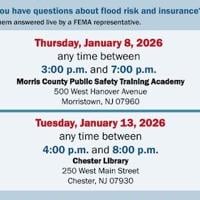
FEMA and the NJDEP have released revised preliminary flood maps for Morris County, reshaping how homeowners, real estate agents, insurers, and mortgage professionals assess flood risk. The updated FIRMs may shift properties into or out of higher‑risk zones, affecting insurance requirements, closing processes, and long‑term property values. With public review and appeals ahead, industry professionals are urged to study the changes now and prepare clients for potential impacts.