In a world where the boundaries of science and ethics are constantly tested, the story of gene editing stands out as both a beacon of hope and a cautionary tale. The journey began with Jennifer Doudna’s groundbreaking discovery of CRISPR, a tool that allows for precise modifications to DNA. This innovation opened the door to possibilities that were once the realm of science fiction, allowing humanity to potentially alter its own genetic destiny.
One of the most controversial chapters in this saga was written by He Jiankui, a Chinese biophysicist who, as reported in the MIT Technology Review, created the first “CRISPR babies” with the aim of making them immune to HIV. This bold move led to his imprisonment and sparked a global debate on the ethics of genetic manipulation.
The Ethical Quagmire
The implications of editing the human genome are profound. As highlighted in the original article, the potential to change human evolution raises questions about morality and the long-term effects on our species. Gene editing in embryos, which is restricted or illegal in many parts of the world, could lead to a future where genetic enhancements are commonplace, potentially creating a new form of inequality.
Scientific Perspectives
Experts like George Church and Fyodor Urnov offer varied insights into the future of genetic editing. Church envisions a world where enhancements are as common as consumer technology, while Urnov warns of the potential for misuse and the ethical dilemmas that accompany such power. The article also references He Jiankui’s announcement of his intention to continue research, albeit with more caution.
The Road Ahead
As technology continues to advance, the line between enhancement and therapy becomes increasingly blurred. The biotechnology industry is already exploring ways to emulate beneficial genetic variants, potentially offering enhancements to those who can afford them. This raises concerns about accessibility and fairness, as well as the potential for unforeseen consequences.
The future of human evolution, as discussed in the article, may not rely solely on editing embryos. Instead, advances in delivering CRISPR technology to adults could democratize genetic enhancements, making them available to a broader population. However, this also opens the door to new risks, including the possibility of unauthorized genetic modifications.
Conclusion
The potential to rewrite the human genome is both exhilarating and daunting. As we stand on the brink of a new era in biotechnology, the choices we make today will shape the future of our species. The conversation around gene editing is far from over, and it remains to be seen whether humanity will wield this power with wisdom and responsibility.
More Articles
Getting licensed or staying ahead in your career can be a journey—but it doesn’t have to be overwhelming. Grab your favorite coffee or tea, take a moment to relax, and browse through our articles. Whether you’re just starting out or renewing your expertise, we’ve got tips, insights, and advice to keep you moving forward. Here’s to your success—one sip and one step at a time!
Florida families are feeling the squeeze as everyday costs, insurance premiums, and homeownership barriers continue to climb. House District 102 candidate Jayden D’Onofrio is calling for a broader, more unified affordability strategy—one that tackles the state’s insurance crisis, supports first‑time homebuyers, and restores real competition in the market. His message centers on transparency, practical solutions, and keeping Florida livable for the professionals, workers, and families who power its economy.
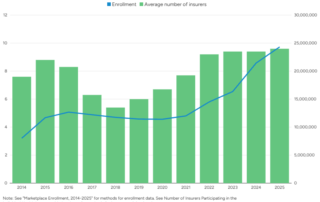
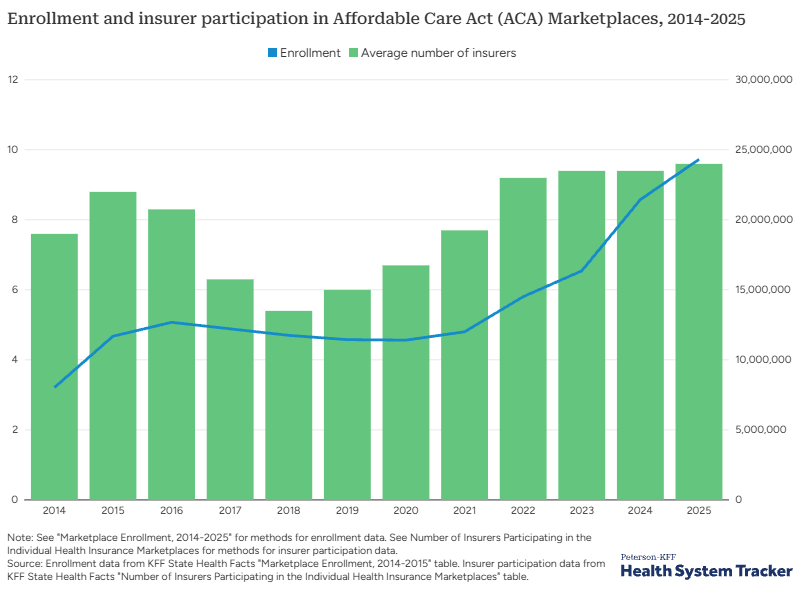
A decade of dramatic change is reshaping America’s health insurance markets. Employer group plans are becoming increasingly dominated by a few powerful insurers, while the ACA individual marketplace is experiencing record‑breaking competition and enrollment. Self‑funded plans are surging, small‑group premiums are driving employers to new coverage models, and major policy shifts in 2025 could redefine affordability for millions. This data‑driven Peterson‑KFF analysis breaks down the trends every insurance, finance, and business professional needs to understand as the industry enters a transformative new era.
Sarasota County is inching closer to approving Winchester Ranch, a massive 8,999‑home community planned for more than 3,100 acres in North Port. With a 7‑1 vote from the Planning Commission and a final decision expected in early 2026, the project could become one of Southwest Florida’s largest developments in decades—bringing new housing, commercial space, and industry while raising fresh questions about growth, the environment, and the region’s rapidly evolving real estate market.
Lument Finance Trust has closed a major $663.8 million commercial real estate CLO, marking one of the standout CRE finance deals of 2025. The transaction, LMNT 2025-FL3, features a strong reinvestment period, non‑recourse and non‑mark‑to‑market financing, and a diversified pool of 32 loans tied to 49 properties nationwide. With J.P. Morgan leading the structuring and more than $585 million placed in investment‑grade securities, the deal highlights renewed stability in transitional CRE debt—making it a development real estate and finance professionals will want to watch closely.
Walmart has partnered with Alquist 3D to roll out the nation’s first large‑scale wave of 3D‑printed commercial buildings, signaling a major shift in how future retail and industrial spaces will be constructed. After completing an 8,000‑square‑foot 3D‑printed expansion in Tennessee—the largest of its kind—the company is moving forward with over a dozen new projects nationwide, accelerating a tech‑driven transformation in commercial real estate.
Citizens Property Insurance Corp. is recommending statewide rate reductions for 2026—the first proposed decrease in more than a decade. Most Citizens policyholders could see an average 11.5% drop, reflecting recent insurance‑market reforms that have stabilized Florida’s turbulent property sector. With hundreds of thousands of policies moving back to private insurers and state‑backed Citizens shrinking to record‑low enrollment, real estate and insurance professionals should prepare for how lower premiums may influence affordability, buyer confidence, and market activity heading into 2026.