Generative AI: A New Era for Commercial Real Estate
In the rapidly evolving landscape of commercial real estate, Generative AI (GenAI) is emerging as a transformative force. As companies seek to leverage this cutting-edge technology, they must carefully balance the potential risks and rewards to reshape their organizational strategies.
Revolutionizing Real Estate Operations
GenAI is poised to revolutionize the real estate sector by automating and optimizing a myriad of functions. From property operations and acquisition strategies to investor relations and asset management, the potential applications are vast. This technology allows for lightning-speed data analysis, offering unprecedented insights and efficiency gains.
The original article from EY highlights how GenAI is being compared to the digital transformation wave of the early 2000s, which similarly disrupted industries across the board.
Strategic Vision and Ethical Use
Developing a long-term strategic vision for GenAI is crucial. Companies must ensure they use AI in a safe, responsible, and ethical manner. This involves addressing challenges such as workforce impact, cybersecurity, intellectual property, and potential biases in AI systems.
As noted by Umar Riaz, Managing Director of Real Estate, Hospitality, and Construction Consulting at EY, the key to success lies in creating a robust AI adoption approach. This involves selecting use cases, transforming processes, and building a scalable AI governance framework.
Transformative Applications
The article outlines several transformative applications of GenAI in real estate:
Acquisitions: Automating due diligence and enhancing portfolio planning.
Investor Relations: Streamlining communications and targeting potential investors.
Business Support: Revolutionizing HR, IT, and legal functions.
Asset Management: Improving data analysis for budgeting and forecasting.
Finance and Accounting: Enhancing financial reporting and fraud detection.
Property Operations: Optimizing energy management and tenant services.
Implementing GenAI
Real estate companies are encouraged to develop a comprehensive GenAI approach that includes:
Use case selection and process transformation.
Technology roadmap and selection.
Responsible and ethical AI practices.
Organizational transformation roadmap.
Talent transformation and upskilling.
The implementation of GenAI requires a strategic alignment of technology and business goals. Companies must consider foundational models, data storage, and hosting options to effectively deploy AI solutions.
Conclusion
As GenAI continues to transform the real estate industry, companies must navigate the complexities of AI adoption. By balancing risks and rewards, businesses can harness the power of GenAI to drive innovation and efficiency.
Getting licensed or staying ahead in your career can be a journey—but it doesn’t have to be overwhelming. Grab your favorite coffee or tea, take a moment to relax, and browse through our articles. Whether you’re just starting out or renewing your expertise, we’ve got tips, insights, and advice to keep you moving forward. Here’s to your success—one sip and one step at a time!
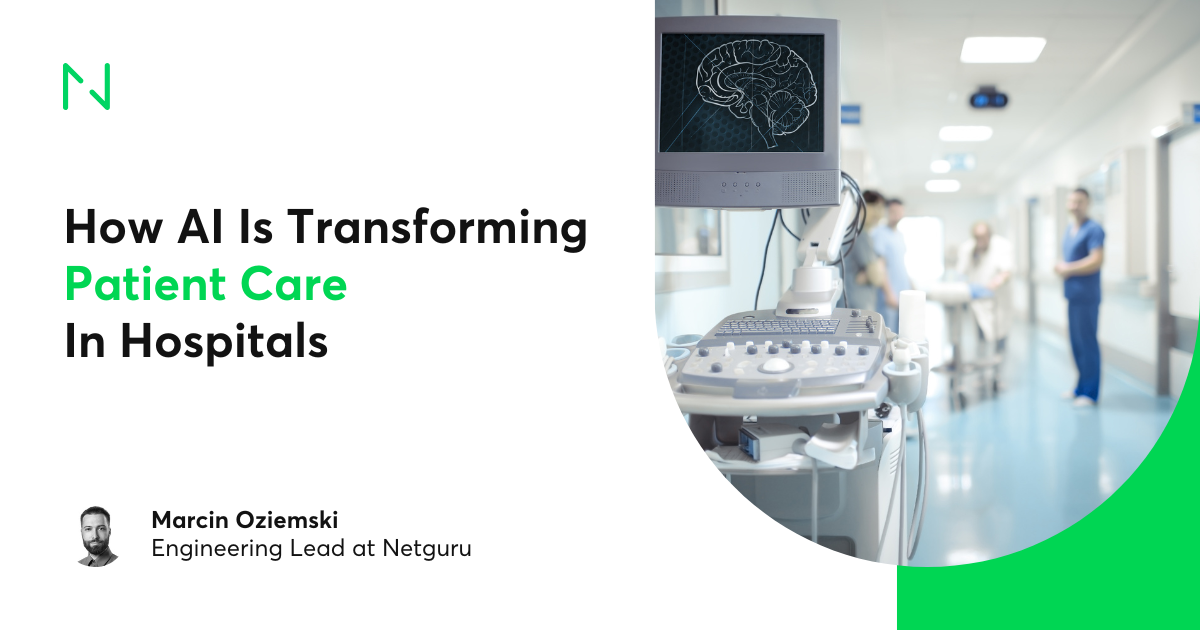
"AI tools excel at analyzing extensive patient data, from health history to lifestyle choices, allowing healthcare practitioners to create highly customized treatment plans for improved outcomes."
The financial sector is bracing for a wave of legal challenges, as evidenced by JPMorgan Chase's threat of litigation against the Consumer Financial Protection Bureau (CFPB).
AI stands as a transformative force in the healthcare industry, facilitating diagnostic precision, patient-centered care, and efficient data management.
DeFi is poised to revolutionize financial inclusion by extending services to those previously excluded from traditional banking systems. By eliminating identification and geographical barriers, DeFi empowers individuals in underserved regions to engage in saving, borrowing, and investing.
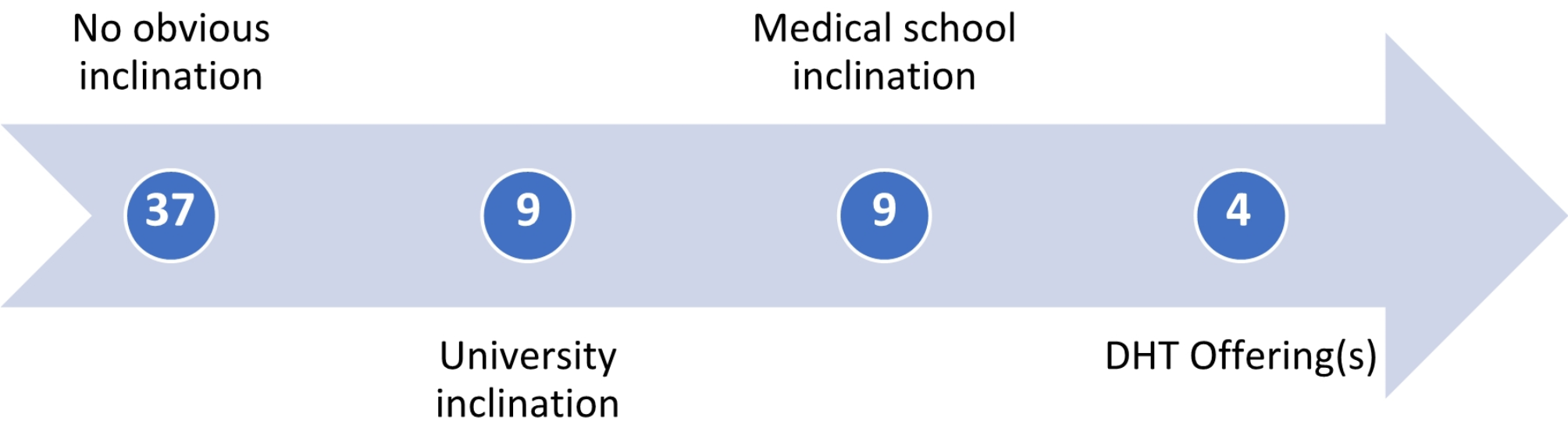
As the world of medicine continues to embrace the digital revolution, a recent study highlights a pressing issue: top-ranked medical schools are not adequately preparing future physicians to harness the power of Digital Health Technology (DHT).