Generative AI: A Real Estate Revolution in the Making
The real estate industry stands on the brink of a technological revolution, as Generative AI (gen AI) matures at a crucial moment. Traditionally a slow adopter of new technologies, real estate now faces an opportunity to transform itself through the innovative capabilities of gen AI. As highlighted in a McKinsey & Company article, gen AI offers the potential to revolutionize various facets of the industry, from investment and design to marketing and customer engagement.
The Four Cs of Gen AI in Real Estate Gen AI’s strengths can be categorized into four main areas: customer engagement, creation, concision, and coding solutions. In customer engagement, gen AI can power conversational chatbots that enhance customer interactions. In creation, tools can generate new content, including text and images. Gen AI excels in concision by synthesizing insights from unstructured data, and in coding solutions by interpreting and generating code.
Transformative Potential and Challenges
Despite its potential, many real estate organizations struggle to implement and scale gen AI use cases effectively. The article from McKinsey underscores that deriving competitive advantage from gen AI requires more than deploying foundational models; it demands a strategic approach to harness its full potential.
Practical Applications in Real Estate
Real estate companies have already seen a significant increase in net operating income through gen AI applications. For instance, gen AI can sift through extensive leasing documentation, summarize key themes, and identify opportunities for investment. It can also serve as a copilot for real estate interactions, managing tenant requests and enhancing lease negotiations.
Visualization and Investment Decisions Gen AI tools enable potential tenants to visualize spaces in their preferred style, enhancing customer engagement and conversion rates. Moreover, gen AI facilitates faster and more precise investment decisions by analyzing unstructured data and identifying promising opportunities.
Strategic Actions for Real Estate Players
To fully realize the benefits of gen AI, real estate companies must take seven pivotal actions, including aligning the C-suite around a business-led roadmap, focusing on data, and adopting a modern technology stack. These steps are crucial for overcoming traditional challenges and positioning the industry at the forefront of technological innovation.
Conclusion
As the real estate industry grapples with headwinds, gen AI offers a transformative solution. By embracing this technology, real estate companies can not only adapt to new challenges but also create strategic distance from their peers. The journey may be daunting, but the potential rewards make it a climb worth undertaking.
More Articles
Getting licensed or staying ahead in your career can be a journey—but it doesn’t have to be overwhelming. Grab your favorite coffee or tea, take a moment to relax, and browse through our articles. Whether you’re just starting out or renewing your expertise, we’ve got tips, insights, and advice to keep you moving forward. Here’s to your success—one sip and one step at a time!
"AI and machine learning are emerging as powerful technologies to address this issue, improving the accuracy of medical diagnosis and revolutionizing healthcare with their myriad applications."
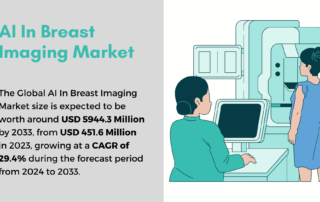
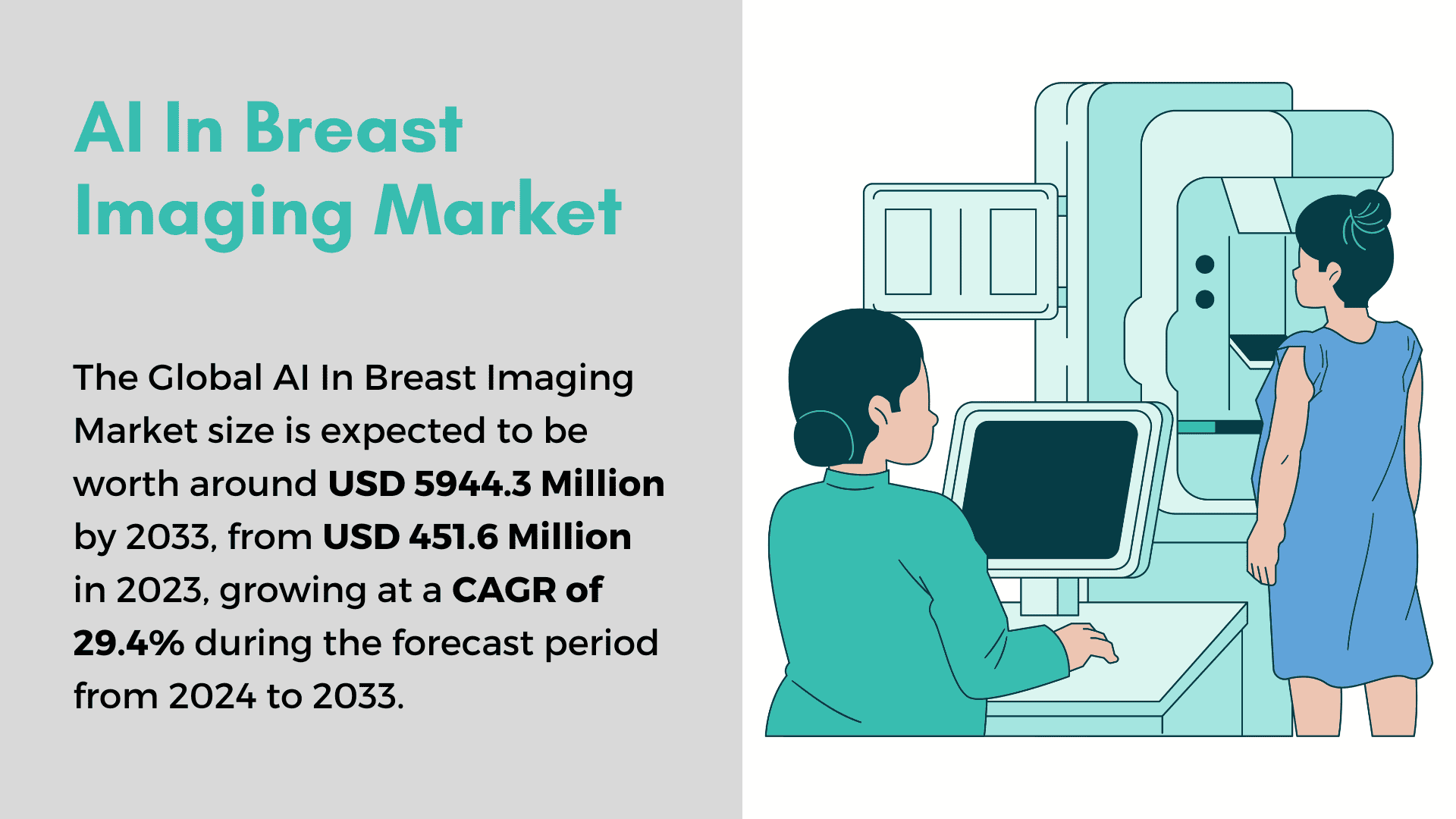
The global AI in breast imaging market is on a remarkable growth trajectory, projected to swell from USD 451.6 million in 2023 to an impressive USD 5944.3 million by 2033. This represents a compound annual growth rate (CAGR) of 29.4%, primarily driven by cutting-edge advancements in AI technologies that significantly enhance diagnostic accuracy, facilitate early detection, and boost healthcare efficiency.
Virtual real estate in metaverses is becoming a focal point for investors worldwide, with digital plots of land mirroring traditional real estate value based on location, size, and platform popularity.
Artificial intelligence (AI) and machine learning are at the forefront of revolutionizing in-vitro diagnostic (IVD) tools, redefining diagnostics and enhancing healthcare outcomes on multiple fronts.
As we edge closer to 2030, the life sciences industry stands on the threshold of transformative changes. With a global valuation exceeding $2 trillion, the sector is poised for significant growth, driven by technological advancements and an aging population.
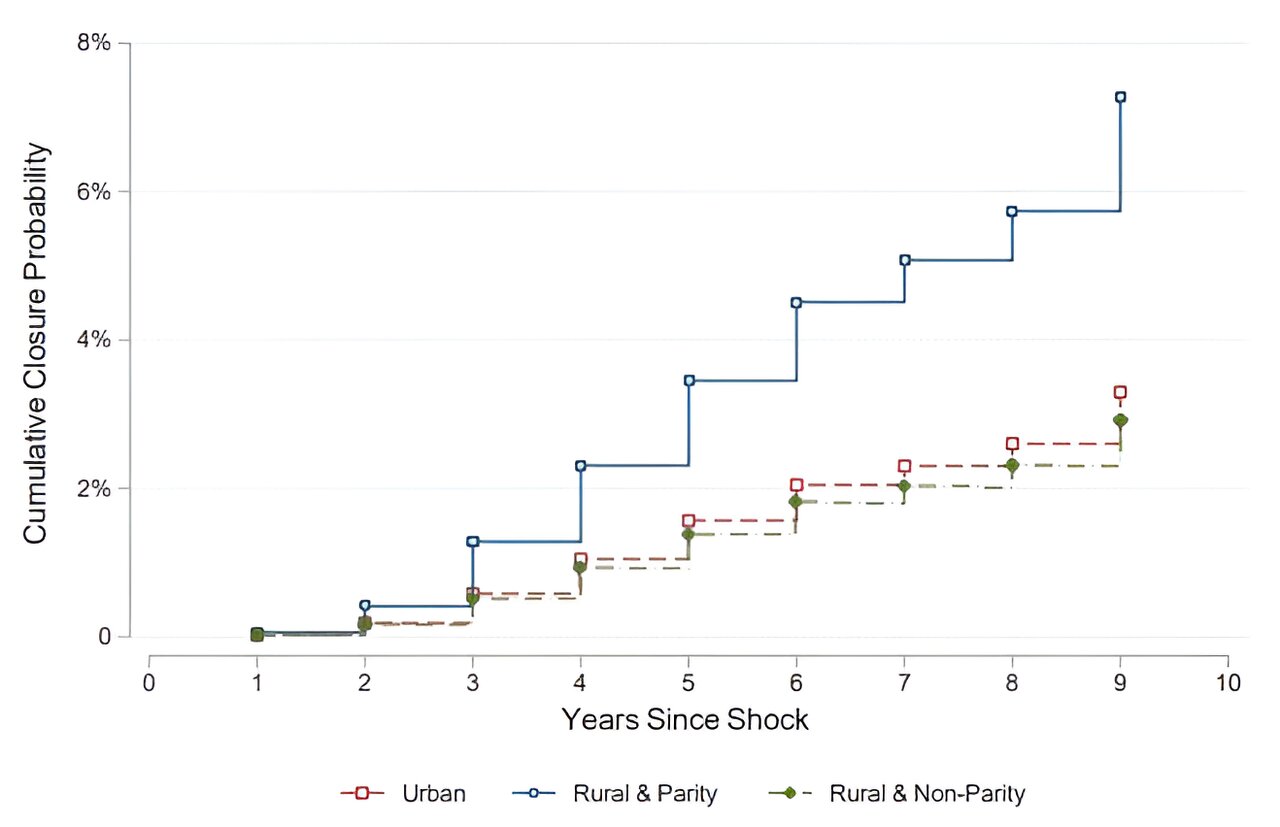
The advent of telehealth has revolutionized the way patients, particularly those in rural areas, access health care. By offering remote consultations and follow-up care, telehealth provides a convenient alternative to traveling long distances to urban hospitals. However, this technological advancement brings with it a set of challenges that could reshape the rural health care landscape.