In the ever-evolving landscape of legal practice, the integration of Generative AI (GenAI) is reshaping the way attorneys approach their work. As reported in a recent article by Thomson Reuters Legal Solutions, the legal community is grappling with the ethical, procedural, and substantive challenges posed by these advanced technologies.
Understanding the Ethical Landscape
The American Bar Association (ABA) has issued guidance emphasizing that lawyers must fully consider their ethical obligations when employing GenAI in their practice. These include providing competent legal representation, protecting client information, and maintaining candor towards the tribunal.
Risks and Challenges
GenAI introduces both output and input risks. Output risks involve inaccuracies such as hallucinations, where AI systems generate incorrect information with unwarranted confidence. As highlighted by Thomson Reuters, these hallucinations can have severe repercussions, as seen in cases where lawyers faced sanctions for submitting fictitious citations generated by AI.
Input risks, on the other hand, primarily concern the potential breach of confidentiality. Legal professionals are advised to ensure that any GenAI tools they use are compliant with confidentiality agreements to prevent unauthorized access to sensitive client information.
Policy and Regulatory Considerations
Various U.S. federal agencies, including the SEC, FTC, and FCC, have begun to issue rules and guidance to regulate specific AI applications. The legal community must stay informed about these developments to navigate the complexities of AI-related legal issues effectively.
GenAI in Practice Areas
The impact of GenAI spans numerous practice areas, including product liability, data protection, and intellectual property. Legal practitioners must be vigilant in understanding how these technologies affect their specific domains and the potential liabilities they introduce.
For more insights on the integration of AI in legal practice, refer to the comprehensive analysis provided by Thomson Reuters.
More Articles
Getting licensed or staying ahead in your career can be a journey—but it doesn’t have to be overwhelming. Grab your favorite coffee or tea, take a moment to relax, and browse through our articles. Whether you’re just starting out or renewing your expertise, we’ve got tips, insights, and advice to keep you moving forward. Here’s to your success—one sip and one step at a time!
"AI tools excel at analyzing extensive patient data, from health history to lifestyle choices, allowing healthcare practitioners to create highly customized treatment plans for improved outcomes."
The financial sector is bracing for a wave of legal challenges, as evidenced by JPMorgan Chase's threat of litigation against the Consumer Financial Protection Bureau (CFPB).
AI stands as a transformative force in the healthcare industry, facilitating diagnostic precision, patient-centered care, and efficient data management.
DeFi is poised to revolutionize financial inclusion by extending services to those previously excluded from traditional banking systems. By eliminating identification and geographical barriers, DeFi empowers individuals in underserved regions to engage in saving, borrowing, and investing.
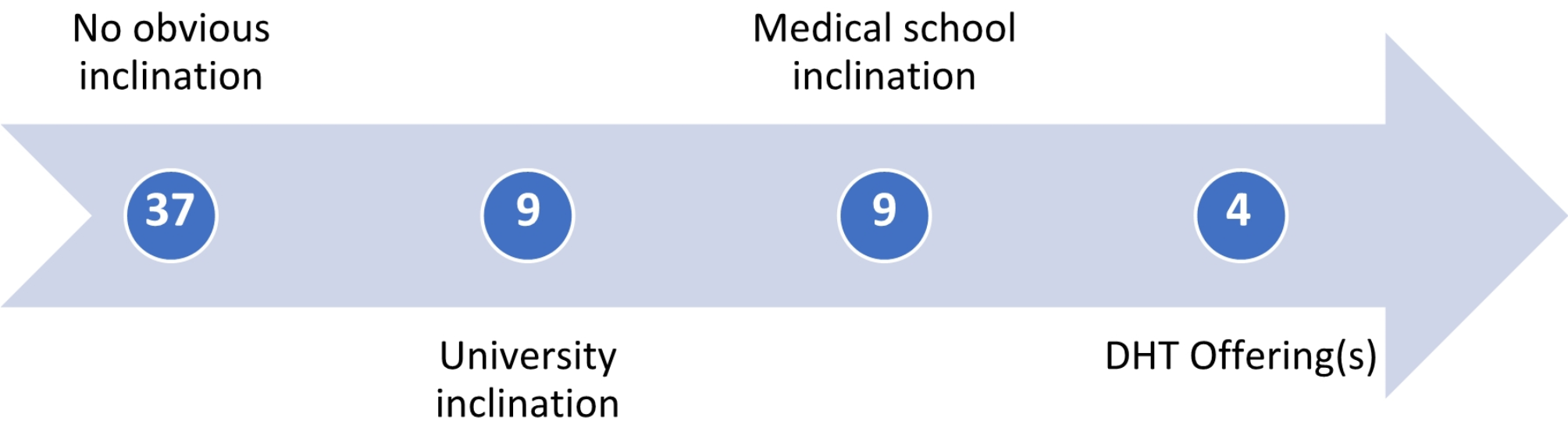
As the world of medicine continues to embrace the digital revolution, a recent study highlights a pressing issue: top-ranked medical schools are not adequately preparing future physicians to harness the power of Digital Health Technology (DHT).