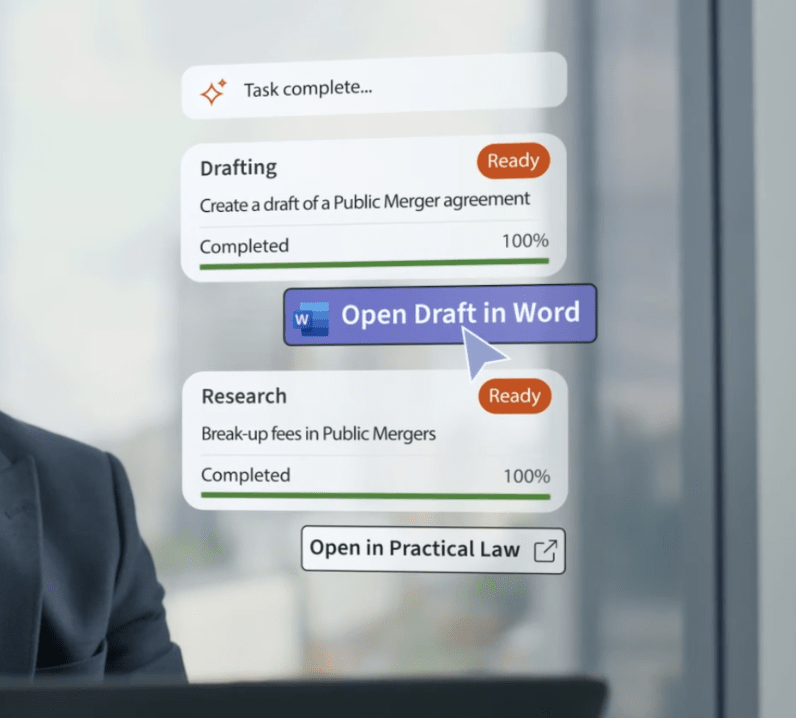
In the ever-evolving landscape of legal practice, the integration of Generative AI (GenAI) is reshaping the way attorneys approach their work. As reported in a recent article by Thomson Reuters Legal Solutions, the legal community is grappling with the ethical, procedural, and substantive challenges posed by these advanced technologies.
Understanding the Ethical Landscape
The American Bar Association (ABA) has issued guidance emphasizing that lawyers must fully consider their ethical obligations when employing GenAI in their practice. These include providing competent legal representation, protecting client information, and maintaining candor towards the tribunal.
Risks and Challenges
GenAI introduces both output and input risks. Output risks involve inaccuracies such as hallucinations, where AI systems generate incorrect information with unwarranted confidence. As highlighted by Thomson Reuters, these hallucinations can have severe repercussions, as seen in cases where lawyers faced sanctions for submitting fictitious citations generated by AI.
Input risks, on the other hand, primarily concern the potential breach of confidentiality. Legal professionals are advised to ensure that any GenAI tools they use are compliant with confidentiality agreements to prevent unauthorized access to sensitive client information.
Policy and Regulatory Considerations
Various U.S. federal agencies, including the SEC, FTC, and FCC, have begun to issue rules and guidance to regulate specific AI applications. The legal community must stay informed about these developments to navigate the complexities of AI-related legal issues effectively.
GenAI in Practice Areas
The impact of GenAI spans numerous practice areas, including product liability, data protection, and intellectual property. Legal practitioners must be vigilant in understanding how these technologies affect their specific domains and the potential liabilities they introduce.
For more insights on the integration of AI in legal practice, refer to the comprehensive analysis provided by Thomson Reuters.
More Articles
Getting licensed or staying ahead in your career can be a journey—but it doesn’t have to be overwhelming. Grab your favorite coffee or tea, take a moment to relax, and browse through our articles. Whether you’re just starting out or renewing your expertise, we’ve got tips, insights, and advice to keep you moving forward. Here’s to your success—one sip and one step at a time!
In an unexpected twist of economic fate, the construction industry finds itself grappling with a steep ascent in building material costs, a trend that began its climb at the dawn of 2024.
In the ever-evolving landscape of commercial real estate, a new challenge has emerged, straining the resilience of landlords and developers alike. The soaring costs of insurance, exacerbated by climate-induced natural disasters, are creating a formidable obstacle for property owners. Particularly affected are coastal cities and towns, where the risk of storms and floods is high.
The Bay Area housing market, a perpetual reflection of its economic vigor and cultural appeal, is navigating a complex terrain as it marches into 2024.
In a significant cyberattack that has disrupted operations across the United States, CDK Global, a leading provider of cloud-based software to automotive dealerships, was forced to shut down most of its systems. This incident has highlighted the vulnerabilities and rising trend of cyberattacks targeting the auto industry.
The commercial real estate landscape has experienced seismic shifts, particularly with properties purchased prior to the Covid-19 pandemic. Many of these assets now hold diminished value compared to the loans used to acquire them.