Global Capital Is on the Move: What Colliers’ 2026 Outlook Means for the Future of Real Estate
A new wave of global capital is reshaping the real estate landscape, and investors across the world are gearing up for a high‑momentum 2026. Colliers’ freshly released
2026 Global Investor Outlook reveals something the industry has been eager to hear: confidence is returning, liquidity is improving, and investors are becoming far more hands‑on in shaping their portfolios.
Investors Shift Into Active, Hands-On Strategies
Nearly half of global investors (49%) now prefer direct investments and separate accounts—signaling a decisive break from passive structures. Platform joint ventures and M&A activity are rising, giving investors more influence, more flexibility, and more strategic control.
Damian Harrington, Director and Head of Research for Global Capital Markets & EMEA at Colliers, highlights this shift clearly: investors want control, agility, and scale. With only 9% of fundraising targeting core and core‑plus strategies—despite 37% of investors seeking them—a major disconnect is driving investors toward strategies where they can steer progress themselves.
Global Diversification Is Accelerating
International capital is moving across borders at remarkable speed. Multi‑regional strategies now represent nearly 30% of global fundraising, reflecting a stronger appetite for diversified, global exposure. Europe saw fundraising jump 50% year‑over‑year, while Asia Pacific surged an incredible 130%, with Japan, Australia, and India leading the demand.
Data Centers Dominate as Offices Rebound
Digital infrastructure continues to soar, with data centers representing a massive 31% of global real estate funds raised in 2025. This makes them the second‑most favored asset class worldwide. At the same time, office properties—once overshadowed by pandemic‑era uncertainty—are experiencing a meaningful rebound thanks to widespread return‑to‑office policies.
Meanwhile, alternative sectors such as student housing, self‑storage, and healthcare are seeing significant growth driven by demographic pressures. Industrial, multifamily, and retail remain strong, supported by solid fundamentals and limited supply.
Value-Add Strategies Drive Redevelopment
Investors are leaning heavily into value‑add and adaptive reuse strategies, particularly in supply‑constrained markets. With construction and operating costs climbing, repositioning existing properties has become a preferred path. Office buildings across APAC and Europe are being modernized with sustainability upgrades, advanced tech integration, and fresh tenant‑oriented designs.
Regional Highlights
United States: High activity driven by pent‑up capital and attractive pricing—especially in multifamily, industrial, and data centers.
EMEA: Strong liquidity and a resurgence in office and industrial activity draw global capital back to Europe.
APAC: Allocations continue rising across logistics, office, data centers, and student housing.
Canada: Multifamily and retail remain national safe‑haven assets amid severe supply constraints.
Why This Matters for Real Estate Professionals
For agents, brokers, and aspiring professionals, understanding global capital movement is an essential edge. These trends influence everything from local inventory to commercial redevelopment opportunities. Whether you’re preparing to enter the industry or sharpening your competitive skills, staying informed is an undeniable advantage.
That’s why institutions like
Cameron Academy continue to stand out as a trusted resource for real estate, mortgage, insurance, finance, and other professional licensing education across all 50 states. In a fast‑shifting market, being properly trained and confidently licensed positions you ahead of the curve.
Getting licensed or staying ahead in your career can be a journey—but it doesn’t have to be overwhelming. Grab your favorite coffee or tea, take a moment to relax, and browse through our articles. Whether you’re just starting out or renewing your expertise, we’ve got tips, insights, and advice to keep you moving forward. Here’s to your success—one sip and one step at a time!
Just 48 hours after NAR unveiled major revisions to its MLS policies, plaintiffs in the Michigan-based Hardy lawsuit moved to use those changes as evidence, arguing they prove NAR’s prior rules were anticompetitive. NAR denies any wrongdoing, but the case is quickly becoming a key test for whether MLS access should require Realtor membership — a question now echoing across multiple states and potentially reshaping how real estate professionals nationwide access the industry’s most essential tool.
Florida homeowners are now paying some of the highest insurance premiums in the country, with average costs topping $5,800 per year—nearly double the national average. Residents report skyrocketing rates, denied claims, and tough choices between costly coverage and financial risk. As frustration grows, lawmakers and consumer advocates are pushing new reforms aimed at increasing transparency, capping rate hikes, and protecting policyholders in one of the nation’s most volatile insurance markets.
Economic uncertainty, rapid AI adoption, tighter capital flows, and rising portfolio risk are reshaping the 2026 commercial real estate landscape. From shifting workforce patterns to a national housing attainability crisis, the industry is entering a data‑driven, fundamentals‑focused era—making adaptability, education, and tech literacy essential for real estate professionals.
Mortgage rates have climbed to 6.23 percent as investors grow doubtful that the Federal Reserve will deliver a rate cut in December. A soft but unclear jobs report and persistent inflation have pushed borrowing costs higher, reversing October’s brief relief in the housing market. Real estate and mortgage professionals should prepare clients for continued volatility as the Fed’s December meeting approaches.
After years of tight inventory, high mortgage rates, and sluggish sales, economists say 2026 is shaping up to be the turnaround real estate professionals have been waiting for. NAR projects a 14 percent jump in home sales, mortgage rates easing toward 6 percent, and buyer demand finally gaining momentum. While higher‑end homes are moving quickly, first‑time buyers continue to face affordability challenges, and price reductions are reappearing as sellers adjust to shifting conditions. For Florida agents, brokers, and newcomers, the stage is being set for a busy and opportunity‑rich year.
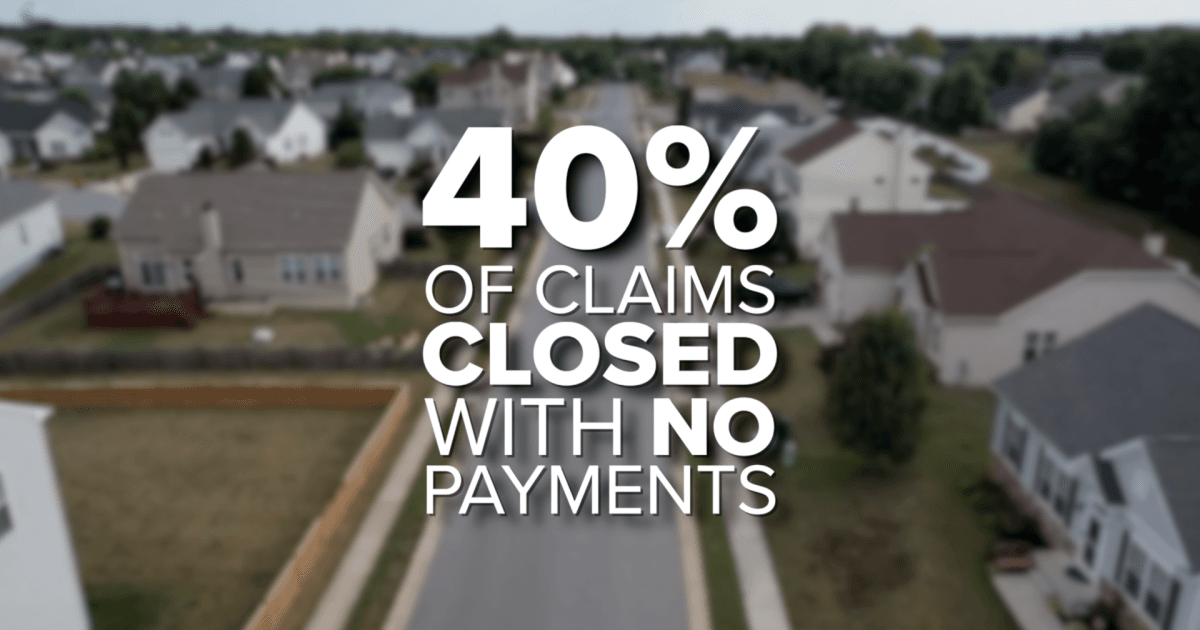
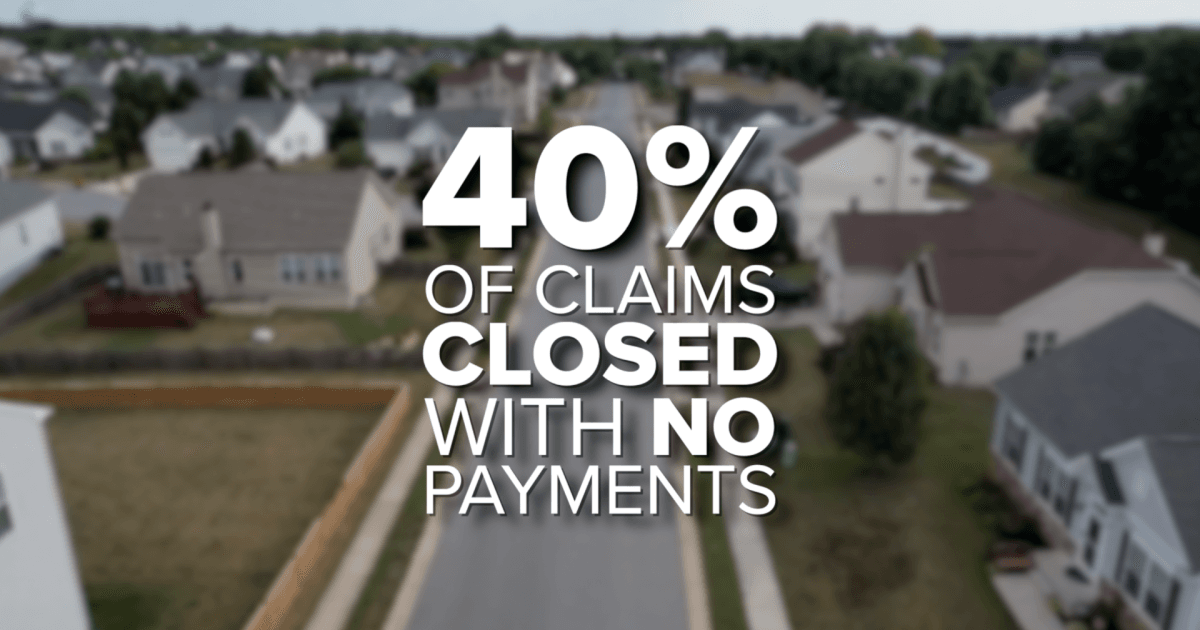
Florida’s average homeowner insurance premium has soared to $5,838 a year—almost $3,000 above the national average—pushing many residents to the financial brink. From tripled premiums to lowball claim payouts, homeowners are speaking out as frustration mounts. Some are even dropping coverage entirely. With more than 40% of claims closed without payment and policy cancellations at record levels, lawmakers are pushing for reforms, but political hurdles remain. The outcome could reshape Florida real estate, insurance, and mortgage markets for years to come.