Global Commercial Real Estate Enters a New Era of Long-Term Transformation
Global commercial real estate is no longer defined by short-term recovery cycles. According to new research from Sterling Capital Real Estate in Dubai, the years ahead will be shaped by deep, structural forces—technology, sustainability, shifting demographics, and a reimagining of how people work and live. For investors, developers, and professionals in the field, this marks the beginning of a new long-term cycle rather than a return to pre‑pandemic norms.
This shift matters for anyone building a career or business in real estate. From brokers to analysts, property managers to investors, understanding these trends will define long-term success. At Cameron Academy, we continue to see rising demand from professionals preparing to stay competitive in this evolving landscape, especially in rapidly growing regions like Florida.
Capital Markets Grow More Selective
As global markets stabilize, capital deployment is becoming sharper and more disciplined. Investors are now focusing on assets that promise stability, resilience, and inflation protection. Traditional bank lending remains tight, giving private and alternative lenders a bigger role in refinancing and repositioning underperforming assets.
Equity strategies are evolving as well. Rather than timing macro cycles, investors are prioritizing high‑quality properties with long-term utility. Clear regulatory environments and transparent legal systems remain top priorities for cross‑border capital.
Sectors with Strong Long-Term Demand
Industrial and logistics real estate continues to shine, boosted by supply chain restructuring, nearshoring, and expanding last‑mile delivery. Meanwhile, data-related assets—especially facilities supporting AI-driven workloads, cloud computing, and high-density digital infrastructure—are rapidly gaining global momentum.
Residential-linked sectors are diversifying beyond traditional multifamily. Purpose-built rentals, student housing, and senior living are experiencing rising global interest as demographic trends reshape demand. To explore similar shifts in housing, visit the Dubai Chronicle’s related coverage:
Global Residential Trends
.
Office markets remain split. Modern, energy‑efficient, amenity-rich buildings continue to command attention, while outdated offices struggle for occupancy and may require conversion or extensive upgrades. Retail is leaning further into experience-based formats, becoming more resilient when paired with strong urban locations or mixed-use environments.
Geography Still Shapes Performance
Global gateway cities with robust infrastructure and diverse economies continue to dominate investor interest. Innovation-driven cities—especially those connected to tech, advanced manufacturing, or life sciences—are seeing the strongest cross-sector momentum.
Markets with high population growth and business-friendly environments are also pulling capital, as are tourism hubs and emerging international cities with stable political foundations and regulatory clarity.
Key Themes Defining the Next Cycle
Sustainability has shifted from optional to essential. Buildings that fail to meet emerging carbon and efficiency standards are already facing valuation pressure. Flexibility is another defining theme—shorter leases, adaptable interiors, and technologically integrated spaces are becoming mandatory for competitiveness.
Investors are prioritizing certainty, risk management, and long-term relevance over short-term performance spikes.
Looking Ahead
The global commercial real estate industry is entering a period of transformation driven by lasting structural forces. Long-term success will depend on how well owners, investors, and professionals reposition properties to align with the way people live, work, and connect in a digital, sustainability-focused world.
To explore international investment opportunities, browse Sterling Capital Real Estate’s platform:
Buy Off-Plan Property in Dubai
.
And for professionals advancing their careers—whether in real estate, mortgage, insurance, finance, or healthcare—Cameron Academy remains one of the most trusted training partners across the U.S., especially for Florida real estate licensing and continuing education. Staying informed is powerful; staying prepared is unstoppable.
More Articles
Getting licensed or staying ahead in your career can be a journey—but it doesn’t have to be overwhelming. Grab your favorite coffee or tea, take a moment to relax, and browse through our articles. Whether you’re just starting out or renewing your expertise, we’ve got tips, insights, and advice to keep you moving forward. Here’s to your success—one sip and one step at a time!
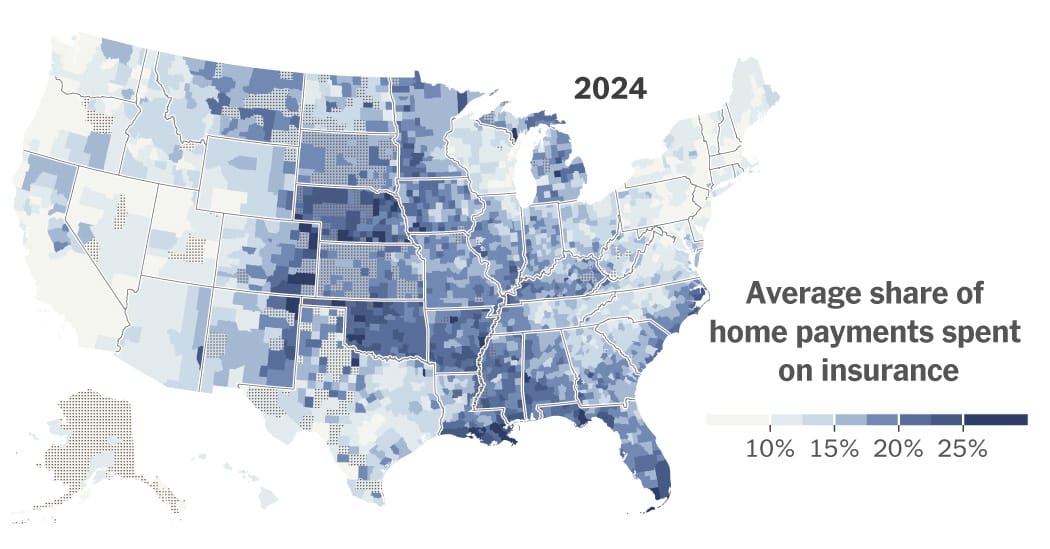
A surge in home insurance premiums is reshaping housing markets across the country, hitting disaster‑prone regions the hardest. From Louisiana to Colorado and California, deals are collapsing, buyers are backing out, and home values are dropping as insurance becomes a central affordability hurdle. New data shows climate‑driven risk repricing and soaring reinsurance costs are stripping tens of thousands of dollars from property values, forcing some homeowners to sell at a loss—or go uninsured altogether.
After years of sluggish activity, the National Association of REALTORS predicts 2026 could mark the long‑awaited rebound for the housing market. With a projected 14% jump in home sales, steadier rates near 6%, and rising buyer activity, NAR economists say momentum is already building. Early signs—like a 31% surge in mortgage applications, continued job growth, and stabilizing prices—suggest a stronger, more confident market ahead, creating fresh opportunities for both seasoned professionals and aspiring agents preparing to enter the field.
A surge of global capital is reshaping real estate heading into 2026, with investors shifting toward hands‑on strategies, cross‑border diversification, and high‑growth asset classes like data centers. Colliers’ 2026 Global Investor Outlook highlights rising confidence, improving liquidity, and a major pivot toward direct investing and value‑add opportunities. From office market rebounds to Asia Pacific’s rapid fundraising growth, the report outlines trends every real estate professional should understand as the industry enters a more dynamic, opportunity‑rich cycle.
Culver City just became the first place in California to legalize six‑story apartment buildings with only one staircase — a simple change that could reshape mid‑rise housing statewide. By freeing up as much as 7% more usable floor space, architects say single‑stair designs allow bigger units, more windows, and the kind of elegant layouts common in New York and Europe. If the city’s six‑year experiment succeeds, it may spark a broader rethinking of U.S. building codes and open the door to more flexible, affordable multifamily development across California.
Stratford homeowners are receiving their 2025 Notices of Assessment Change, marking the town’s first property revaluation since 2019. Officials emphasize that rising assessments do not equal higher tax bills, as a new mill rate won’t be set until spring 2026. Residents can challenge or review their updated valuations through informal hearings hosted by Vision Government Solutions, with appointments available for one week after receiving a notice.
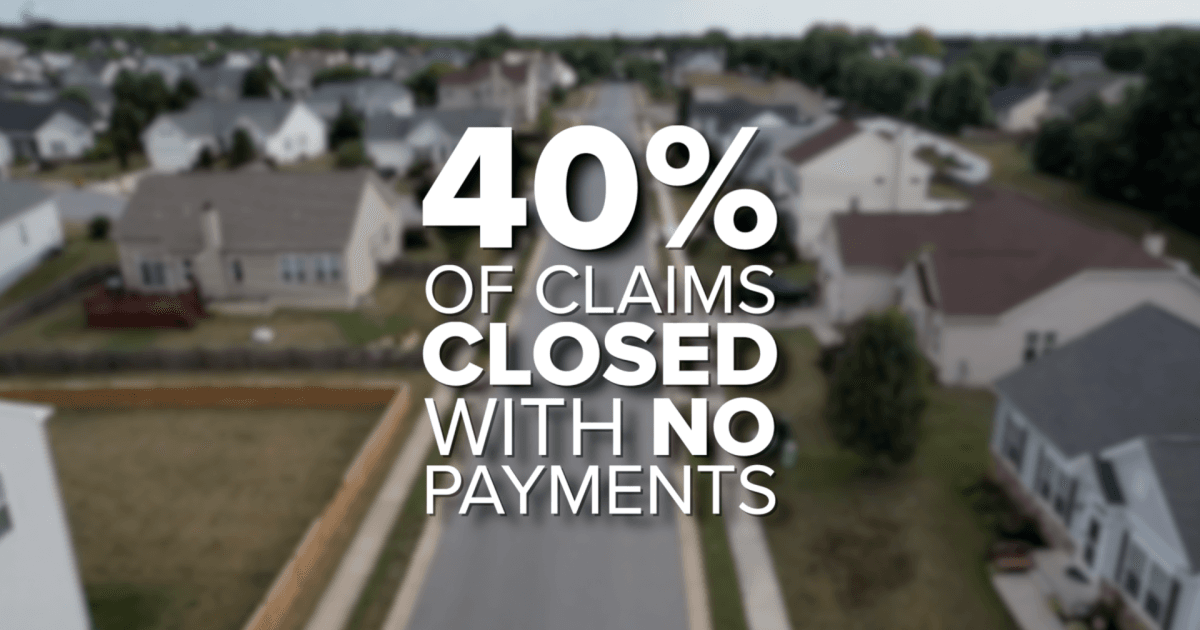
New reporting reveals Florida homeowners now face an average insurance premium of $5,838 per year — nearly triple the national average. With skyrocketing rates, denied claims, and mounting non-renewals, residents are being pushed to tough financial decisions while lawmakers scramble to implement reforms. From retirees skipping coverage to families battling insurers for fair payouts, Florida’s insurance crisis is reshaping both the housing market and the daily lives of homeowners statewide.