Global Commercial Real Estate Enters a New Era of Long-Term Transformation
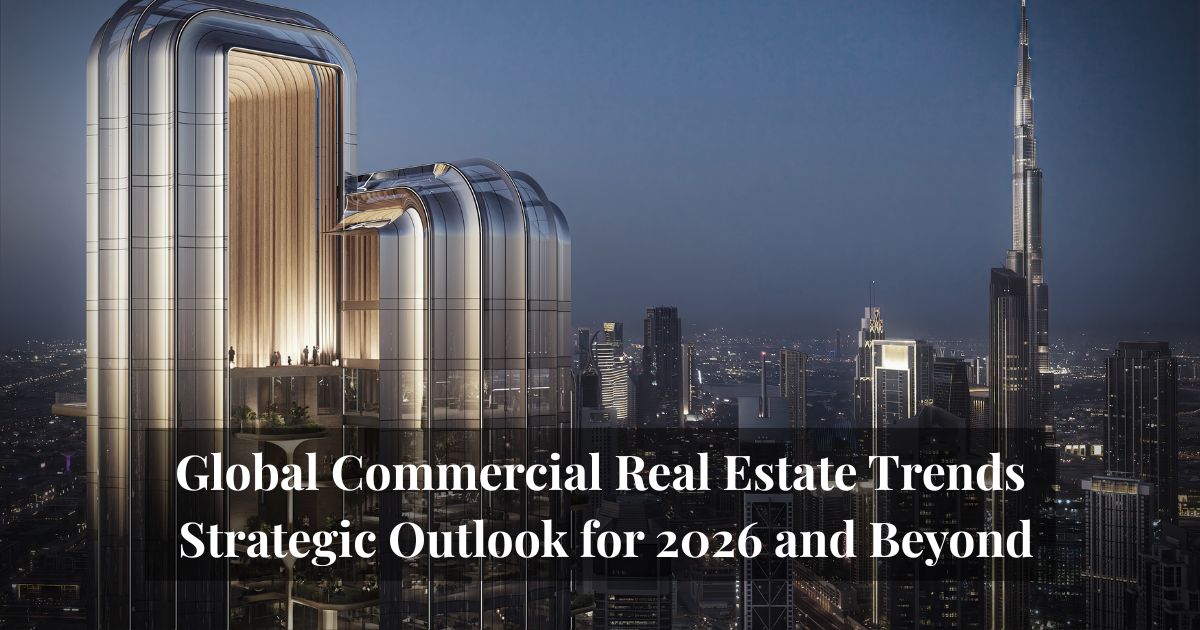
Global commercial real estate is no longer defined by short-term recovery cycles. According to new research from Sterling Capital Real Estate in Dubai, the years ahead will be shaped by deep, structural forces—technology, sustainability, shifting demographics, and a reimagining of how people work and live. For investors, developers, and professionals in the field, this marks the beginning of a new long-term cycle rather than a return to pre‑pandemic norms.
This shift matters for anyone building a career or business in real estate. From brokers to analysts, property managers to investors, understanding these trends will define long-term success. At Cameron Academy, we continue to see rising demand from professionals preparing to stay competitive in this evolving landscape, especially in rapidly growing regions like Florida.
Capital Markets Grow More Selective
As global markets stabilize, capital deployment is becoming sharper and more disciplined. Investors are now focusing on assets that promise stability, resilience, and inflation protection. Traditional bank lending remains tight, giving private and alternative lenders a bigger role in refinancing and repositioning underperforming assets.
Equity strategies are evolving as well. Rather than timing macro cycles, investors are prioritizing high‑quality properties with long-term utility. Clear regulatory environments and transparent legal systems remain top priorities for cross‑border capital.
Sectors with Strong Long-Term Demand
Industrial and logistics real estate continues to shine, boosted by supply chain restructuring, nearshoring, and expanding last‑mile delivery. Meanwhile, data-related assets—especially facilities supporting AI-driven workloads, cloud computing, and high-density digital infrastructure—are rapidly gaining global momentum.
Residential-linked sectors are diversifying beyond traditional multifamily. Purpose-built rentals, student housing, and senior living are experiencing rising global interest as demographic trends reshape demand. To explore similar shifts in housing, visit the Dubai Chronicle’s related coverage:
Global Residential Trends
.
Office markets remain split. Modern, energy‑efficient, amenity-rich buildings continue to command attention, while outdated offices struggle for occupancy and may require conversion or extensive upgrades. Retail is leaning further into experience-based formats, becoming more resilient when paired with strong urban locations or mixed-use environments.
Geography Still Shapes Performance
Global gateway cities with robust infrastructure and diverse economies continue to dominate investor interest. Innovation-driven cities—especially those connected to tech, advanced manufacturing, or life sciences—are seeing the strongest cross-sector momentum.
Markets with high population growth and business-friendly environments are also pulling capital, as are tourism hubs and emerging international cities with stable political foundations and regulatory clarity.
Key Themes Defining the Next Cycle
Sustainability has shifted from optional to essential. Buildings that fail to meet emerging carbon and efficiency standards are already facing valuation pressure. Flexibility is another defining theme—shorter leases, adaptable interiors, and technologically integrated spaces are becoming mandatory for competitiveness.
Investors are prioritizing certainty, risk management, and long-term relevance over short-term performance spikes.
Looking Ahead
The global commercial real estate industry is entering a period of transformation driven by lasting structural forces. Long-term success will depend on how well owners, investors, and professionals reposition properties to align with the way people live, work, and connect in a digital, sustainability-focused world.
To explore international investment opportunities, browse Sterling Capital Real Estate’s platform:
Buy Off-Plan Property in Dubai
.
And for professionals advancing their careers—whether in real estate, mortgage, insurance, finance, or healthcare—Cameron Academy remains one of the most trusted training partners across the U.S., especially for Florida real estate licensing and continuing education. Staying informed is powerful; staying prepared is unstoppable.
More Articles
Getting licensed or staying ahead in your career can be a journey—but it doesn’t have to be overwhelming. Grab your favorite coffee or tea, take a moment to relax, and browse through our articles. Whether you’re just starting out or renewing your expertise, we’ve got tips, insights, and advice to keep you moving forward. Here’s to your success—one sip and one step at a time!
Artificial intelligence is accelerating across the real estate industry, bringing new productivity platforms, smarter MLS systems, cleaner data tools, and AI‑powered consumer guidance. From United Real Estate’s BullseyeAI assistant to Zillow’s integration with Google NotebookLM and major MLS restructures, technology is rapidly reshaping how agents research properties, communicate with clients, and manage daily workflows. For future and current professionals, understanding these tools isn’t optional—it's becoming the new foundation for a competitive real estate career.
A sweeping Treasury Department rule has activated the first nationwide anti–money laundering requirements for residential real estate, forcing professionals involved in closings and settlements to report certain non‑financed property transfers. The move closes long‑standing loopholes that allowed criminals, corrupt officials, and foreign adversaries to hide illicit funds in U.S. housing. Backed by recent federal court decisions, the rule positions the U.S. as a global leader in financial transparency—and signals that commercial real estate may be next. For today’s real estate professionals, staying compliant is becoming just as essential as understanding the market itself.
United Real Estate has introduced BullseyeAI, a fully integrated AI platform designed to help agents cut overhead, automate daily tasks, and reclaim valuable time. Powered by a proprietary large‑language‑model system, BullseyeAI blends dashboards, navigation, voice commands, and automated assistants into one intelligent workspace. With AI agents like Sofie and Rosie managing client nurturing, recruiting workflows, marketing, data handling, and more, the platform marks a major leap toward faster, smarter productivity for real estate professionals.
Boynton Beach residents are reeling after a new city ordinance began issuing fines to homeowners for parking on their own property—unless the vehicle sits on an official driveway. The rule bans parking on grass or unpaved areas, shocking families who’ve parked the same way for years. With fines starting at 25 dollars per car and rising if unpaid, many residents say the sudden crackdown is unfair and financially burdensome, sparking a heated debate over property rights and local government authority.
From AI assistants like United’s BullseyeAI to MLS upgrades rolling out across the country, real estate professionals are entering a new tech‑driven era. This week’s highlights include smarter productivity tools, unified MLS systems, enhanced data access, and even AI‑powered buyer education through Zillow’s new NotebookLM partnership. Whether you’re a seasoned broker or preparing for your license exam, these innovations show how rapidly the industry is evolving—and why staying informed is becoming essential for success.
Artificial intelligence is rapidly moving from a helpful tool to a central force inside real estate transactions, MLS systems, and agent workflows. As AI reshapes everything from listing photos to data distribution, MLSs, regulators, and brokerages are racing to set clear rules that protect consumers and reduce legal risks. With new laws, updated agreements, and rising debates over who should regulate AI, the industry is confronting a defining moment—one that every current and future real estate professional must understand.