In the ever-evolving landscape of cryptocurrency, regulation remains a pivotal issue both in the United States and globally. As governments strive to balance innovation with investor protection, the rules governing digital currencies like Bitcoin and Ethereum are becoming increasingly complex and varied across different nations.


In the United States, cryptocurrencies are primarily treated as property for tax purposes, akin to assets such as stocks or real estate. This classification subjects crypto transactions to capital gains tax, with the IRS requiring meticulous record-keeping and reporting. From January 1, 2025, cryptocurrency brokers in the U.S. will be mandated to report users’ digital asset sales to the IRS using Form 1099-DA.


Globally, the regulatory landscape is as diverse as the nations themselves. In Australia, for instance, anyone operating a digital currency exchange must register with AUSTRAC under the Anti-Money Laundering and Counter-Terrorism Financing Act 2006. Meanwhile, Brazil has introduced the Virtual Assets Act to ensure crypto service providers comply with financial regulations.


In Canada, crypto exchanges are required to register with FINTRAC, adhering to anti-money laundering laws, while in China, the government has imposed stringent restrictions, branding crypto mining as an “undesirable industry” due to energy consumption concerns.


The European Union has established the Markets in Crypto-Assets Regulation (MiCA), aiming to safeguard consumer protection, financial stability, and market integrity. This regulation requires Crypto-Asset Service Providers (CASPs) to obtain authorization, ensuring they meet specific standards to protect users.


India, on the other hand, imposes a flat 30% tax on income from the transfer of Virtual Digital Assets (VDAs), with additional provisions for Tax Deducted at Source (TDS) on payments exceeding certain thresholds. Japan categorizes crypto profits as “miscellaneous income”, subjecting them to progressive tax rates.


Singapore’s approach under the Payment Services Act 2019 (PSA) exempts digital payment tokens from GST, while South Korea will implement a 20% tax on cryptocurrency gains exceeding 50 million Korean won in 2025.


In the UK, cryptocurrency activities are overseen by the Financial Conduct Authority (FCA) under the Money Laundering Regulations (MLRs). Crypto is taxed under Capital Gains Tax (CGT) and Income Tax, depending on its use.


As noted in the original article from NFT Evening, the challenge for governments worldwide is to find the right balance between regulation and innovation. While rules are essential to prevent scams and protect investors, overly stringent regulations could stifle technological advancement.


As the global digital currency market continues to evolve, staying informed about the regulatory environment is crucial for investors and businesses alike. The next few years will be pivotal in determining how cryptocurrencies integrate into the global financial system.

More Articles

Getting licensed or staying ahead in your career can be a journey—but it doesn’t have to be overwhelming. Grab your favorite coffee or tea, take a moment to relax, and browse through our articles. Whether you’re just starting out or renewing your expertise, we’ve got tips, insights, and advice to keep you moving forward. Here’s to your success—one sip and one step at a time!

Is Florida’s Booming Real Estate Market Becoming Unaffordable?

Florida is facing a real estate crisis marked by skyrocketing insurance premiums, stringent FEMA rules, and a surge in hedge fund property acquisitions.

By |November 14, 2024|Categories: Article, Finance/Economy, Real Estate|Tags: , |0 Comments

Revolutionizing Cancer Therapy: The Promise of Patient-Derived Organoids

Patient-derived organoids offer an unprecedented opportunity to replicate the complex structure and genetic makeup of cancers, providing a more accurate model for clinical drug screening and pharmacognostic assessment.

The AI Revolution in Dermatology: A Systematic Review

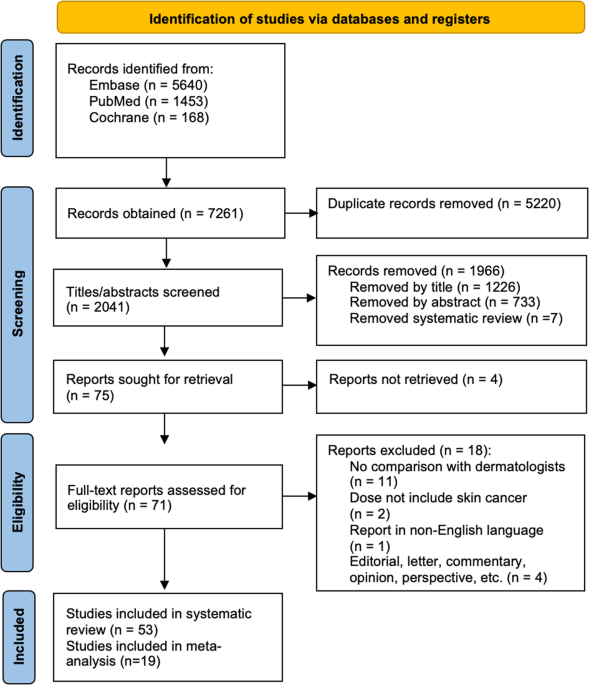
In a groundbreaking study published in Nature, researchers have delved into the burgeoning field of artificial intelligence (AI) in dermatology, specifically examining its role in diagnosing skin cancer. The study, titled "A Systematic Review and Meta-Analysis of Artificial Intelligence Versus Clinicians for Skin Cancer Diagnosis," offers a comprehensive look at how AI stacks up against human clinicians in this critical area of healthcare.

By |November 14, 2024|Categories: AI in Healthcare, Article, Dermatology|Tags: , |0 Comments

The Fast Lane to Fully Autonomous Vehicles: Industry Innovations and Future Prospects

The automotive world is abuzz with announcements from major players like Tesla, Rimac, Renault, and Nissan, each unveiling plans to introduce autonomous vehicles in the near future. Tesla's much-anticipated "CyberCab" is set for an October 2024 debut, while Rimac and Renault are gearing up for releases in 2026.

Futureproofing for Insurers: The Role of AI and Hyper-Personalization

In a rapidly evolving industry, insurance companies are turning to artificial intelligence (AI) and hyper-personalization to stay ahead of the curve.

Revolutionizing Healthcare: The Power and Potential of AI

AI technology offers a multitude of benefits, from enhancing patient outcomes to reducing healthcare costs and improving population health. Its application ranges from preventive screenings to complex diagnostic procedures, marking a new era in medical care.


By |November 13, 2024|Categories: Article, Artificial Intelligence, Healthcare|Tags: , |0 Comments