North America’s Dominance
North America, particularly the United States, currently holds a dominant position in this market, capturing a substantial 54.8% share in 2023. The public hospital segment has notably captured a significant market share due to its ability to provide specialized medical procedures at lower costs. Additionally, the inpatient segment leads the market, driven by the necessity for prolonged hospital stays for various treatments.
Impact of an Aging Population
Globally, the aging population is a key factor propelling market expansion. Hospitals are heavily investing in cutting-edge diagnostic tools and telemedicine solutions, while also expanding services like home healthcare to cater to older adults who prefer in-home care. This demographic shift has resulted in a notable increase in patient volumes, particularly for chronic conditions such as cardiovascular diseases and cancer, which require specialized long-term care.
Challenges and Technological Advancements
Despite the favorable growth prospects, challenges such as high treatment costs and restricted reimbursement policies remain potential obstacles. However, advancements in medical technology, including artificial intelligence, are anticipated to generate substantial cost savings, thereby enhancing operational efficiencies and patient care quality.
Recent Developments and Emerging Trends
Recent developments underscore the market’s dynamism. HCA Healthcare’s acquisition of hospitals specializing in cardiac care signals a strategic move to strengthen its footprint. Similarly, Cleveland Clinic’s merger with Indian River Medical Center enhances its network, while Fortis Healthcare’s telemedicine initiative aims to bridge healthcare access gaps, particularly in rural areas.
Emerging trends such as the expansion of telemedicine underline the sector’s rapid transformation. The projected growth of the telemedicine market to USD 185.6 billion by 2026 highlights the increasing demand for accessible healthcare solutions. Additionally, cybersecurity remains a pressing concern, with significant investments being made to safeguard sensitive patient data in an era where digital threats are burgeoning.
North America’s Dominance
North America, particularly the United States, currently holds a dominant position in this market, capturing a substantial 54.8% share in 2023. The public hospital segment has notably captured a significant market share due to its ability to provide specialized medical procedures at lower costs. Additionally, the inpatient segment leads the market, driven by the necessity for prolonged hospital stays for various treatments.
Impact of an Aging Population
Globally, the aging population is a key factor propelling market expansion. Hospitals are heavily investing in cutting-edge diagnostic tools and telemedicine solutions, while also expanding services like home healthcare to cater to older adults who prefer in-home care. This demographic shift has resulted in a notable increase in patient volumes, particularly for chronic conditions such as cardiovascular diseases and cancer, which require specialized long-term care.
Challenges and Technological Advancements
Despite the favorable growth prospects, challenges such as high treatment costs and restricted reimbursement policies remain potential obstacles. However, advancements in medical technology, including artificial intelligence, are anticipated to generate substantial cost savings, thereby enhancing operational efficiencies and patient care quality.
Recent Developments and Emerging Trends
Recent developments underscore the market’s dynamism. HCA Healthcare’s acquisition of hospitals specializing in cardiac care signals a strategic move to strengthen its footprint. Similarly, Cleveland Clinic’s merger with Indian River Medical Center enhances its network, while Fortis Healthcare’s telemedicine initiative aims to bridge healthcare access gaps, particularly in rural areas.
Emerging trends such as the expansion of telemedicine underline the sector’s rapid transformation. The projected growth of the telemedicine market to USD 185.6 billion by 2026 highlights the increasing demand for accessible healthcare solutions. Additionally, cybersecurity remains a pressing concern, with significant investments being made to safeguard sensitive patient data in an era where digital threats are burgeoning.

The Genetic Revolution: CRISPR and Public Opinion
CRISPR-Cas9 democratizes the ability to edit genomes with unprecedented precision and ease, transforming scientific research and sparking profound societal and ethical debates.

Getting licensed or staying ahead in your career can be a journey—but it doesn’t have to be overwhelming. Grab your favorite coffee or tea, take a moment to relax, and browse through our articles. Whether you’re just starting out or renewing your expertise, we’ve got tips, insights, and advice to keep you moving forward. Here’s to your success—one sip and one step at a time!
CRISPR-Cas9 democratizes the ability to edit genomes with unprecedented precision and ease, transforming scientific research and sparking profound societal and ethical debates.
Artificial Intelligence (AI) is no longer a futuristic concept in healthcare; it is a reality reshaping the industry today. Visionaries like Vinod Khosla have long predicted AI's potential, foreseeing its ability to replace up to 80% of standard medical tasks. This transformation is now evident as AI technologies begin to outperform traditional methods, particularly in areas requiring precision and data processing.
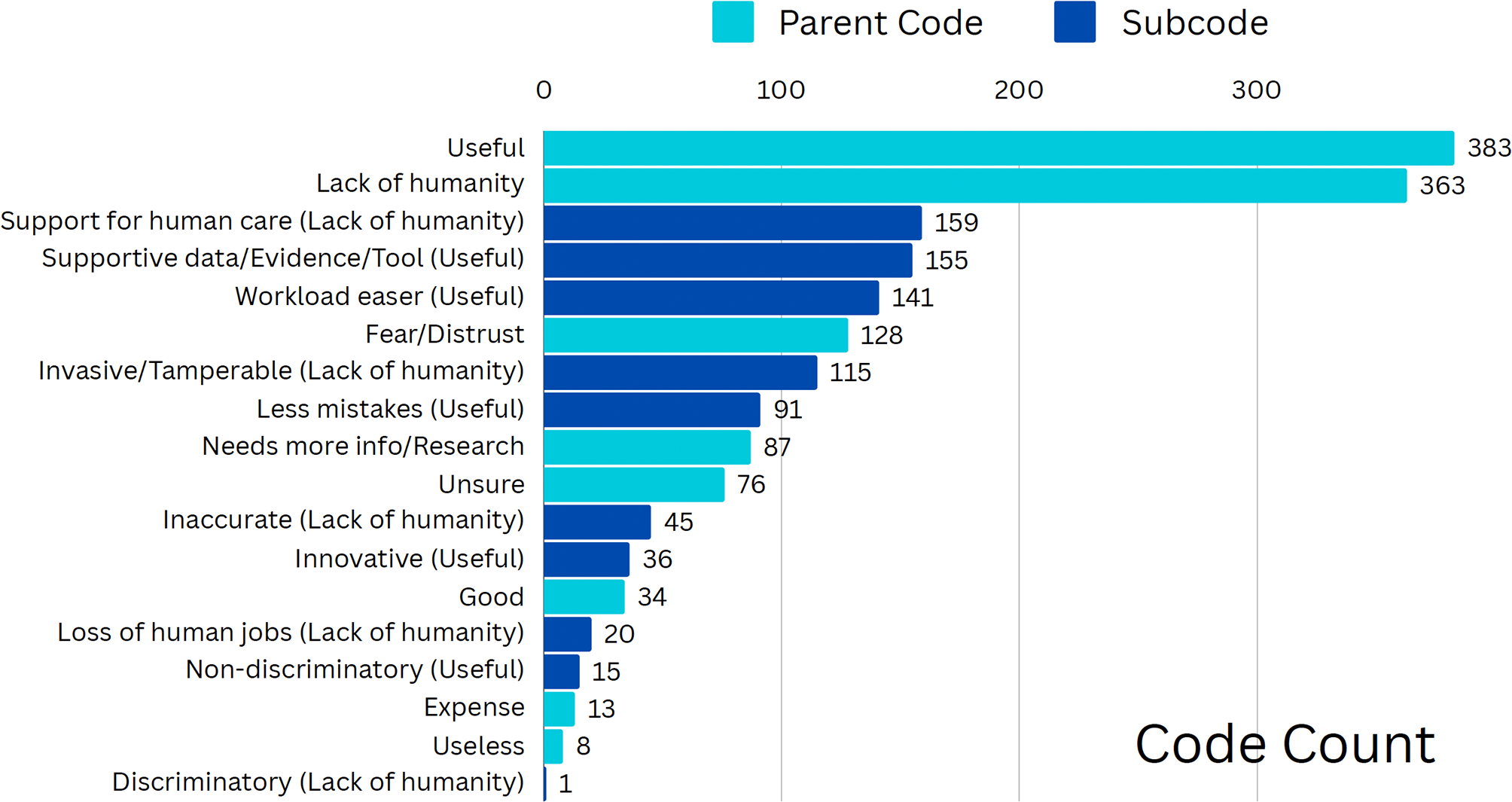
In a groundbreaking study published in BMC Medical Ethics, researchers have delved into the public's perception of artificial intelligence (AI) in healthcare, spotlighting both ethical concerns and potential opportunities for enhancing patient-centered care.
The real estate industry is experiencing a seismic shift, thanks to the integration of artificial intelligence (AI). This cutting-edge technology is fundamentally transforming property acquisition, sales, and management processes. AI's influence extends to predictive analytics, which are reshaping investment decisions, and virtual property tours, which are revolutionizing how we navigate the real estate landscape.
The telehealth market is experiencing a remarkable surge, driven by the increasing adoption of digital health solutions and remote care services.
The findings suggest that the industry is on the cusp of a "green revolution," with significant strides being made towards sustainability.