Global Hospital Services Market Set for Substantial Growth
The global hospital services market is undergoing a significant transformation, with projections indicating robust growth over the next decade. As of 2023, the market was valued at USD 13.1 trillion and is expected to soar to an impressive USD 24.1 trillion by 2033, boasting a compound annual growth rate (CAGR) of 6.3%. This optimistic forecast, reported by Market.us Media, is driven by advancements in medical technology, increased healthcare expenditures, and the rising prevalence of chronic diseases.
North America’s Dominance
North America, particularly the United States, currently holds a dominant position in this market, capturing a substantial 54.8% share in 2023. The public hospital segment has notably captured a significant market share due to its ability to provide specialized medical procedures at lower costs. Additionally, the inpatient segment leads the market, driven by the necessity for prolonged hospital stays for various treatments.
Impact of an Aging Population
Globally, the aging population is a key factor propelling market expansion. Hospitals are heavily investing in cutting-edge diagnostic tools and telemedicine solutions, while also expanding services like home healthcare to cater to older adults who prefer in-home care. This demographic shift has resulted in a notable increase in patient volumes, particularly for chronic conditions such as cardiovascular diseases and cancer, which require specialized long-term care.
Challenges and Technological Advancements
Despite the favorable growth prospects, challenges such as high treatment costs and restricted reimbursement policies remain potential obstacles. However, advancements in medical technology, including artificial intelligence, are anticipated to generate substantial cost savings, thereby enhancing operational efficiencies and patient care quality.
Recent Developments and Emerging Trends
Recent developments underscore the market’s dynamism. HCA Healthcare’s acquisition of hospitals specializing in cardiac care signals a strategic move to strengthen its footprint. Similarly, Cleveland Clinic’s merger with Indian River Medical Center enhances its network, while Fortis Healthcare’s telemedicine initiative aims to bridge healthcare access gaps, particularly in rural areas.
Emerging trends such as the expansion of telemedicine underline the sector’s rapid transformation. The projected growth of the telemedicine market to USD 185.6 billion by 2026 highlights the increasing demand for accessible healthcare solutions. Additionally, cybersecurity remains a pressing concern, with significant investments being made to safeguard sensitive patient data in an era where digital threats are burgeoning.
Conclusion
In conclusion, the hospital services market is poised for robust growth, with advancements in technology and an increasing need for specialized healthcare services playing pivotal roles. While there are challenges to navigate, the overall market trajectory is positive, with North America expected to maintain its leading position in the coming years.
More Articles
Getting licensed or staying ahead in your career can be a journey—but it doesn’t have to be overwhelming. Grab your favorite coffee or tea, take a moment to relax, and browse through our articles. Whether you’re just starting out or renewing your expertise, we’ve got tips, insights, and advice to keep you moving forward. Here’s to your success—one sip and one step at a time!
The UAE is set to transform its expansive desert landscapes into thriving residential communities, aligning with the nation's commitment to harnessing natural resources and the '15-minute city' model.
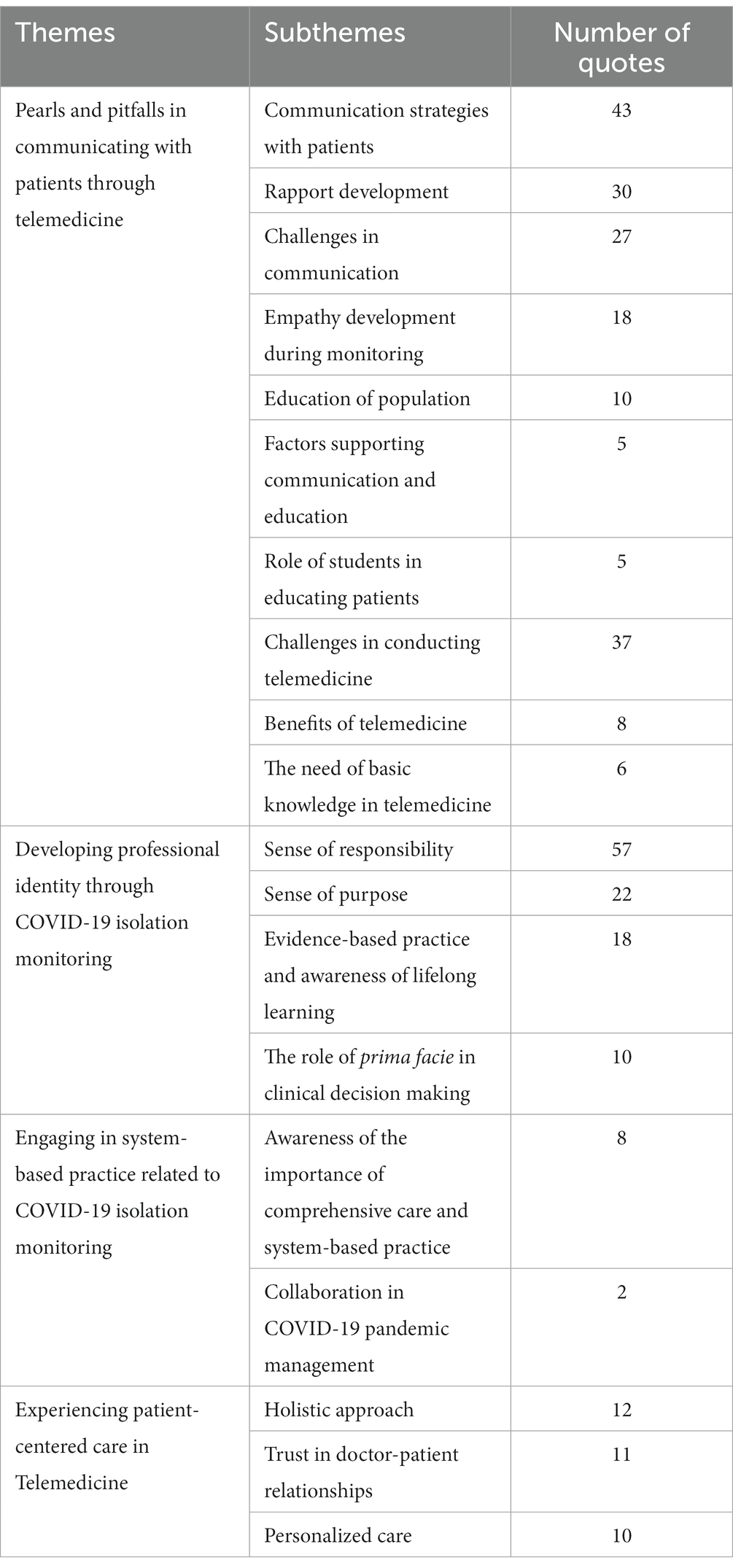
In a recent study, researchers delved into the transformative impact of a telemedicine-based course on undergraduate medical students during the COVID-19 pandemic. As the pandemic reshaped the landscape of healthcare, telemedicine emerged as a vital tool, not only in patient care but also in medical education.
AI technology holds the potential to improve clinical outcomes, reduce healthcare costs, and enhance population health. In the realm of preventive care, AI is being utilized in radiology to expedite cancer screenings, such as mammograms and lung cancer screenings.
The transformation is paving the way for a future where care is more personalized, and the ecosystem is inclusive for medical practitioners and providers to proactively manage patients' health. A key component of this evolution is medical networking, which is being redefined by the collaborative exchange of data among practitioners, professionals, and healthcare facilities.
As the UAE's population continues to surge, developers are seizing the opportunity to transform the sprawling desert into vibrant residential communities.

 North America’s Dominance
North America, particularly the United States, currently holds a dominant position in this market, capturing a substantial 54.8% share in 2023. The public hospital segment has notably captured a significant market share due to its ability to provide specialized medical procedures at lower costs. Additionally, the inpatient segment leads the market, driven by the necessity for prolonged hospital stays for various treatments.
Impact of an Aging Population
Globally, the aging population is a key factor propelling market expansion. Hospitals are heavily investing in cutting-edge diagnostic tools and telemedicine solutions, while also expanding services like home healthcare to cater to older adults who prefer in-home care. This demographic shift has resulted in a notable increase in patient volumes, particularly for chronic conditions such as cardiovascular diseases and cancer, which require specialized long-term care.
Challenges and Technological Advancements
Despite the favorable growth prospects, challenges such as high treatment costs and restricted reimbursement policies remain potential obstacles. However, advancements in medical technology, including artificial intelligence, are anticipated to generate substantial cost savings, thereby enhancing operational efficiencies and patient care quality.
Recent Developments and Emerging Trends
Recent developments underscore the market’s dynamism. HCA Healthcare’s acquisition of hospitals specializing in cardiac care signals a strategic move to strengthen its footprint. Similarly, Cleveland Clinic’s merger with Indian River Medical Center enhances its network, while Fortis Healthcare’s telemedicine initiative aims to bridge healthcare access gaps, particularly in rural areas.
Emerging trends such as the expansion of telemedicine underline the sector’s rapid transformation. The projected growth of the telemedicine market to USD 185.6 billion by 2026 highlights the increasing demand for accessible healthcare solutions. Additionally, cybersecurity remains a pressing concern, with significant investments being made to safeguard sensitive patient data in an era where digital threats are burgeoning.
North America’s Dominance
North America, particularly the United States, currently holds a dominant position in this market, capturing a substantial 54.8% share in 2023. The public hospital segment has notably captured a significant market share due to its ability to provide specialized medical procedures at lower costs. Additionally, the inpatient segment leads the market, driven by the necessity for prolonged hospital stays for various treatments.
Impact of an Aging Population
Globally, the aging population is a key factor propelling market expansion. Hospitals are heavily investing in cutting-edge diagnostic tools and telemedicine solutions, while also expanding services like home healthcare to cater to older adults who prefer in-home care. This demographic shift has resulted in a notable increase in patient volumes, particularly for chronic conditions such as cardiovascular diseases and cancer, which require specialized long-term care.
Challenges and Technological Advancements
Despite the favorable growth prospects, challenges such as high treatment costs and restricted reimbursement policies remain potential obstacles. However, advancements in medical technology, including artificial intelligence, are anticipated to generate substantial cost savings, thereby enhancing operational efficiencies and patient care quality.
Recent Developments and Emerging Trends
Recent developments underscore the market’s dynamism. HCA Healthcare’s acquisition of hospitals specializing in cardiac care signals a strategic move to strengthen its footprint. Similarly, Cleveland Clinic’s merger with Indian River Medical Center enhances its network, while Fortis Healthcare’s telemedicine initiative aims to bridge healthcare access gaps, particularly in rural areas.
Emerging trends such as the expansion of telemedicine underline the sector’s rapid transformation. The projected growth of the telemedicine market to USD 185.6 billion by 2026 highlights the increasing demand for accessible healthcare solutions. Additionally, cybersecurity remains a pressing concern, with significant investments being made to safeguard sensitive patient data in an era where digital threats are burgeoning.