Global Capital Is on the Move: What the 2026 Colliers Outlook Means for Today’s Professionals

Colliers 2026 global investor outlook cover

The global real estate landscape is shifting—fast. According to the newly released Colliers 2026 Global Investor Outlook, investors around the world are re-entering markets with fresh conviction and an appetite for active, hands‑on strategies. Liquidity is returning, pricing expectations are stabilizing, and capital is being strategically redeployed across regions and sectors in ways that will reshape opportunities for years to come.

Tap to Explore: This report is packed with insights on data centers, office rebounds, global fundraising shifts, and why investors want more control than ever.

A More Active, More Global Investor

Nearly half of surveyed investors—49%—now prefer direct investments and separate accounts over passive models. Platform joint ventures and real estate M&A are trending sharply upward, giving investors increased influence and operational visibility.

Damian Harrington of Colliers highlights the tactical shift: platform deals offer faster execution, scale, and flexibility. That’s a major reason why global fundraising is spreading across regions. North America’s share fell from 50% to 40%, Europe climbed 50%, and Asia Pacific surged an impressive 130% year‑over‑year.

Sector Shake‑Ups: Data Centers Surge, Offices Rebound

One of the biggest surprises of the year: data centers now account for 31% of global real estate funds raised in 2025—making them the second‑most targeted asset class worldwide. Offices, long overshadowed since the pandemic, are also staging a notable comeback as return‑to‑office momentum grows and organizations reinvest in high‑quality workspace.

Alternative sectors—student housing, healthcare, self‑storage—continue to rise as demographic pressures collide with supply shortages, forming resilient long‑term opportunities for investors.

Industrial, Multifamily, and Retail: Still Rock‑Solid

These cornerstone sectors remain attractive thanks to fundamentals like population growth, limited supply, and essential-service consumer patterns. Logistics hubs, urban multifamily corridors, and necessity‑based retail continue to draw steady investment.

Adaptive Reuse and Value‑Add Strategies Drive the Future

Investors are leaning heavily into value‑creation strategies. Rising construction costs are pushing many markets toward adaptive reuse—especially in Europe and APAC, where aging office inventories are being reimagined to meet modern sustainability and tenant demands. This repositioning wave is poised to shape the next real estate cycle.

Regional Highlights

United States: Pent‑up capital, compelling pricing, and strong demand in data centers, industrial, and multifamily are fueling renewed activity.

EMEA: Liquidity improvements and increased transparency are driving momentum in office and industrial investment.

APAC: Office, logistics, and alternative sectors—especially data centers—are expanding rapidly as allocations surge.

Canada: Stable markets, safe‑haven status, and limited supply in retail and multifamily continue attracting institutional capital.

For real estate professionals: Staying informed on capital shifts isn’t just helpful—it’s a competitive advantage. Whether you’re investing, advising, or positioning your career for growth, insights like those in Colliers’ 2026 outlook help you align with where the industry is truly heading.

For future agents and professionals pursuing their next license, this kind of market awareness is what separates top performers. If you’re strengthening your expertise in real estate, mortgage, insurance, or other licensed fields, Cameron Academy remains a trusted modern pathway for education that keeps you sharp in an evolving marketplace.

Explore the full Colliers report here: Global Capital Is on the Move

More Articles

Getting licensed or staying ahead in your career can be a journey—but it doesn’t have to be overwhelming. Grab your favorite coffee or tea, take a moment to relax, and browse through our articles. Whether you’re just starting out or renewing your expertise, we’ve got tips, insights, and advice to keep you moving forward. Here’s to your success—one sip and one step at a time!

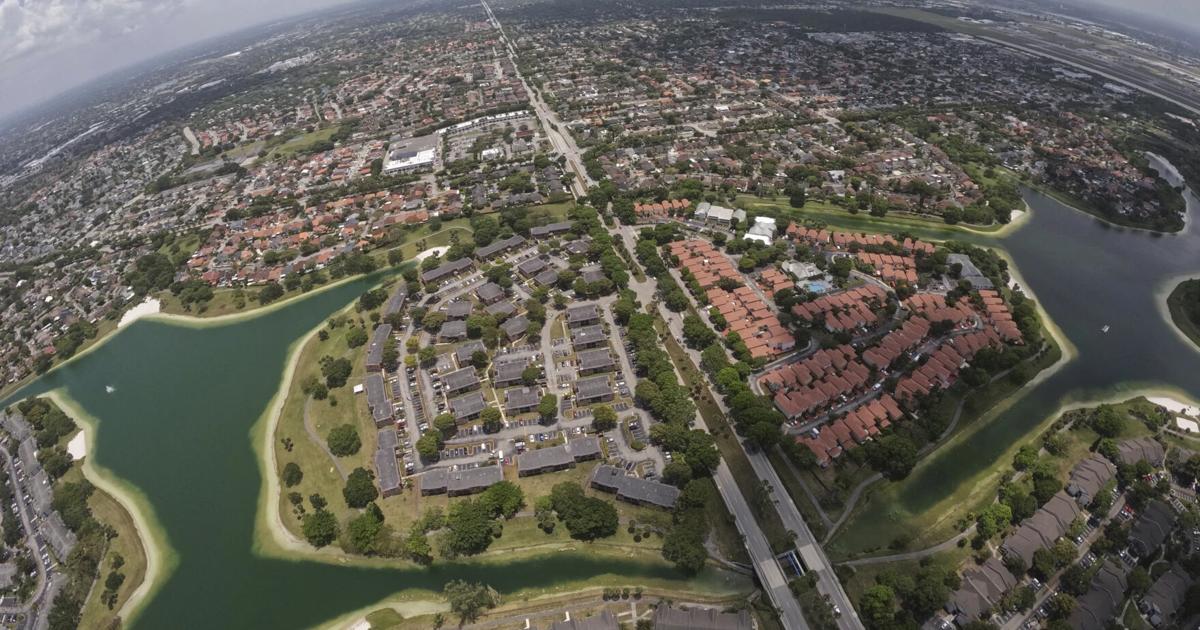
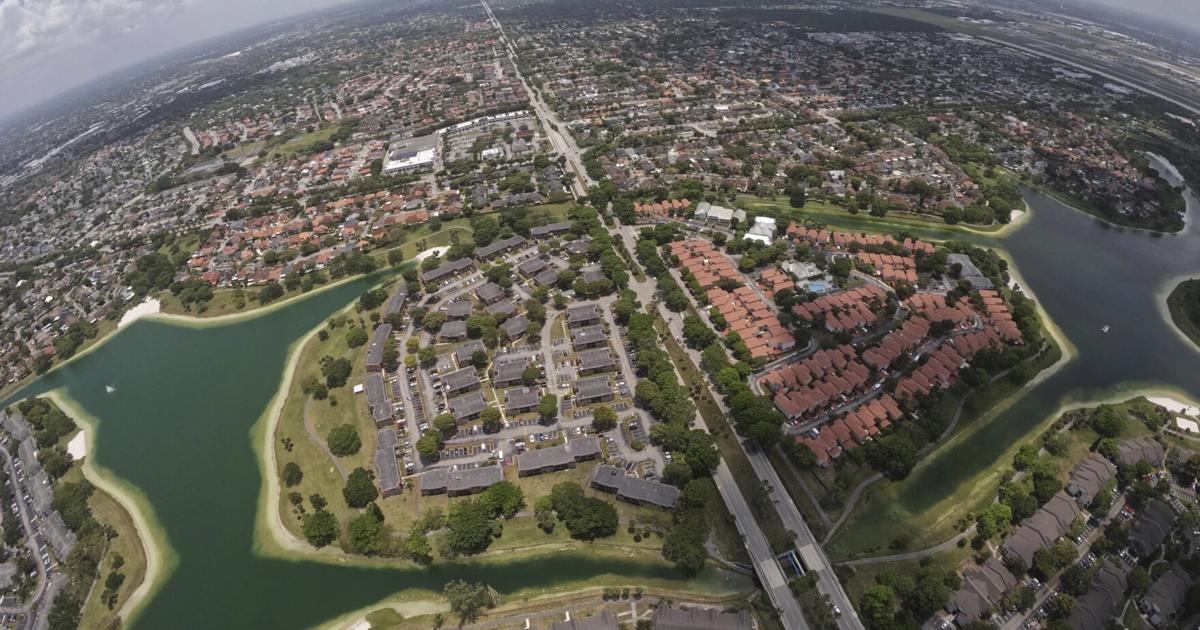
South Florida Housing Market Gains Momentum for 2026 as Mortgage Rates Decline

Lower interest rates, improving buyer confidence, and a resilient job market are setting the stage for a stronger South Florida real estate landscape in 2026. After a steadier‑than‑expected 2025, single‑family homes remain competitive, condos are stabilizing despite regulatory pressures, and commercial real estate continues to outperform national trends — giving industry professionals plenty to watch in the year ahead.

2026 Housing Market Outlook: Are We Finally Heading Toward Stability?

Economists across the housing industry are signaling that 2026 may finally bring a true market rebalance. With mortgage rates expected to ease, inventory slowly expanding and affordability showing its first real improvement in years, home sales could climb by 14% nationwide. Prices are projected to rise only modestly, builders are ramping up cautiously and shifting demographics are reshaping who’s buying—and what they’re looking for. For real estate and finance professionals, this more active and balanced landscape sets the stage for a strong year of opportunity.

Lower Interest Rates Spark New Optimism in South Florida’s 2026 Real Estate Market

South Florida enters 2026 with renewed confidence as easing mortgage rates, a solid job market, and stabilizing housing trends breathe life back into both single‑family and condo sectors. After an uneven 2025 marked by high costs and condo‑related challenges, lower borrowing rates are drawing buyers back, encouraging more homeowners to list, and positioning the region for a more balanced — though still competitive — year ahead.

Six Real Estate Trends Reshaping the U.S. Market in 2026

The U.S. real estate landscape is entering a defining year, driven by AI innovation, reimagined office spaces, immersive retail, and resilient industrial growth. Investors are becoming more selective, while ESG expectations are solidifying into essential standards for value and tenant demand. For professionals looking to stay competitive in 2026, understanding these shifts—and upskilling accordingly—will be key to navigating an industry rapidly transforming in real time.

Conforming Mortgage Credit Availability Plunges to Record Low as Lenders Tighten Standards

Conforming mortgage credit has dropped to its lowest level since the MBA began tracking it in 2011, signaling a major tightening in loan options as 2026 begins. December’s Mortgage Credit Availability Index fell 2.6%, driven by shrinking ARM offerings, fewer cash‑out refi programs, and stricter documentation requirements. With conforming loans seeing the sharpest decline—down 3.8%—both buyers and mortgage professionals face a more challenging lending landscape that demands stronger financial profiles and up‑to‑date industry knowledge.

Creative Strategies Are Finally Helping First-Time Buyers Break Into the 2026 Housing Market

A new NAR outlook shows that first-time buyers may finally be gaining traction in 2026 as rising inventory, easing rates, and creative financing strategies open long-awaited pathways into homeownership. From ARMs and government-backed loans to family support, grants, and co-buying, younger buyers are finding new ways to “make the math work.” Builders are also stepping in with incentives and expanded townhome construction, signaling a slow but meaningful shift toward improved affordability.