Global Surge in Wearable Healthcare Devices Market
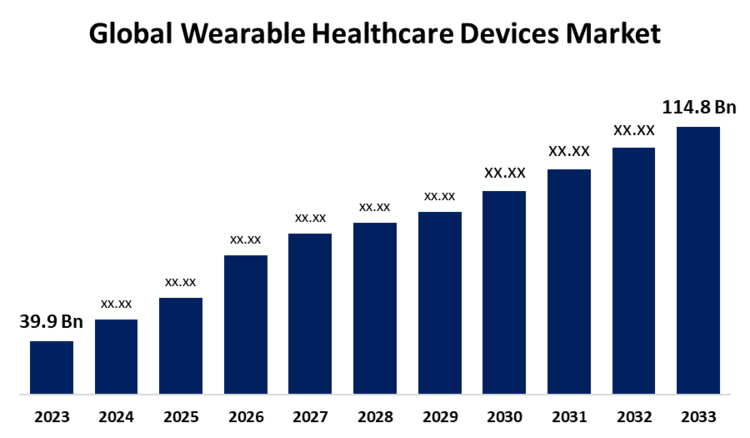
The global wearable healthcare devices market is on a remarkable growth trajectory, projected to escalate from USD 39.9 billion in 2023 to an impressive USD 114.8 billion by 2033. This surge, at a compound annual growth rate (CAGR) of 11.15%, underscores the increasing demand for proactive health management and advancements in sensor technology.
Wearable healthcare devices, including smartwatches and trackers, have become essential tools for individuals eager to monitor and manage their health proactively. These devices are more than just fitness trackers; they offer a multitude of functions such as heart rate monitoring, smartphone notifications, and integration with third-party applications. However, the continuous health monitoring they provide raises significant concerns about the security and privacy of sensitive health data.
Market Segmentation and Trends
The market is categorized by product types, applications, and distribution channels. Smartwatches are anticipated to lead the product segment, while the general health and fitness application segment is expected to dominate due to the growing focus on real-time health monitoring. E-commerce emerges as the leading distribution channel, facilitating the availability of these devices through digital platforms.
Geographical Insights
North America holds the largest market share, driven by favorable reimbursement laws, high per capita spending on advanced technologies, and significant investments by market players. Meanwhile, the Asia-Pacific region is expected to experience the fastest growth, propelled by initiatives to reduce patient hospital stays in countries like China, Japan, and India.
Competitive Landscape
The competitive landscape features major vendors such as Dr. Reddy’s Laboratories Ltd, Samsung Electronics, Huawei Technologies, Fitbit, and Apple. These companies continue to innovate and collaborate, fueling the market’s expansion. A notable development is the introduction of Nerivio, a non-invasive wearable for managing migraines, by Dr. Reddy’s Laboratories in Germany, marking its expansion in the European digital therapy market.
For those interested in delving deeper, the complete report and related documents are accessible through the following link. This information is crucial for stakeholders aiming to strategize and capitalize on burgeoning opportunities within the wearable healthcare devices marketplace.
More Articles
Getting licensed or staying ahead in your career can be a journey—but it doesn’t have to be overwhelming. Grab your favorite coffee or tea, take a moment to relax, and browse through our articles. Whether you’re just starting out or renewing your expertise, we’ve got tips, insights, and advice to keep you moving forward. Here’s to your success—one sip and one step at a time!
"AI tools excel at analyzing extensive patient data, from health history to lifestyle choices, allowing healthcare practitioners to create highly customized treatment plans for improved outcomes."
The financial sector is bracing for a wave of legal challenges, as evidenced by JPMorgan Chase's threat of litigation against the Consumer Financial Protection Bureau (CFPB).
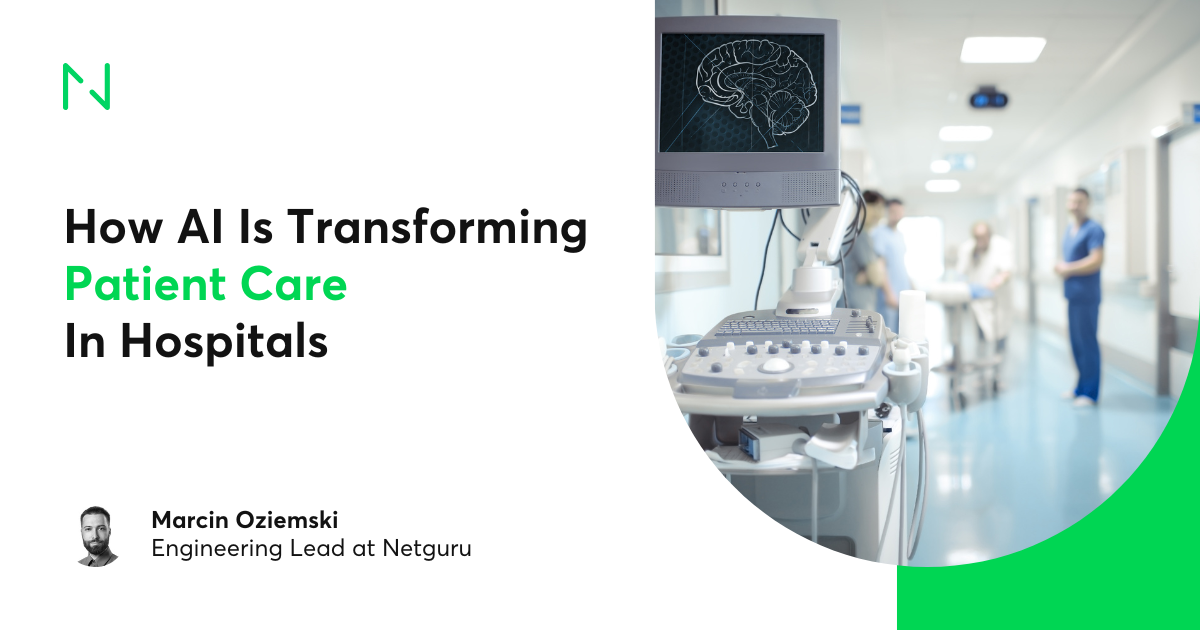
AI stands as a transformative force in the healthcare industry, facilitating diagnostic precision, patient-centered care, and efficient data management.
DeFi is poised to revolutionize financial inclusion by extending services to those previously excluded from traditional banking systems. By eliminating identification and geographical barriers, DeFi empowers individuals in underserved regions to engage in saving, borrowing, and investing.
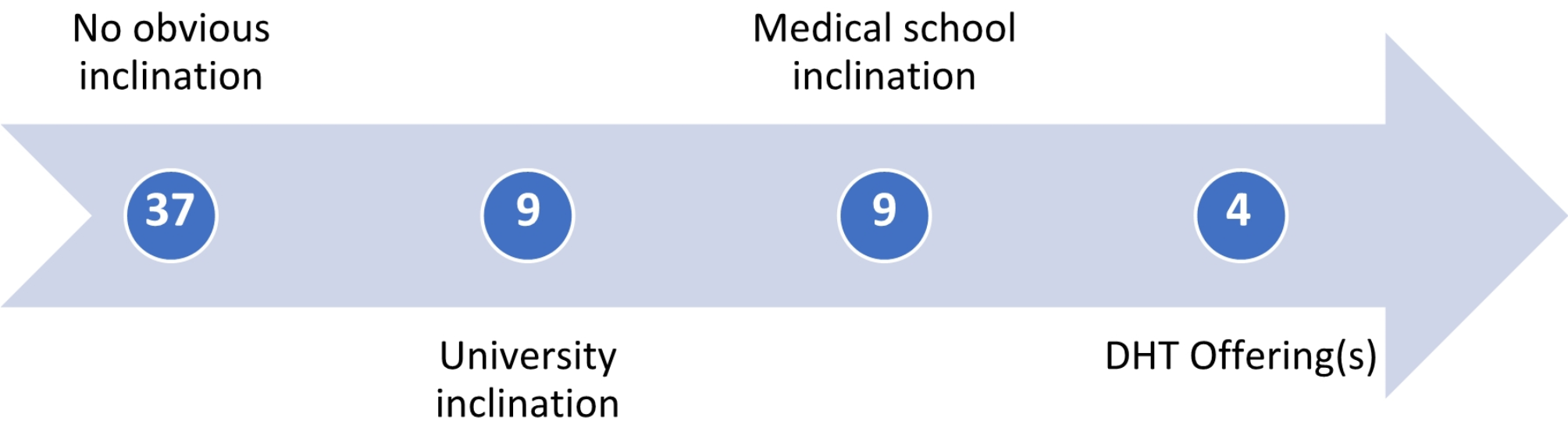
As the world of medicine continues to embrace the digital revolution, a recent study highlights a pressing issue: top-ranked medical schools are not adequately preparing future physicians to harness the power of Digital Health Technology (DHT).