Global Surge in Wearable Healthcare Devices Market
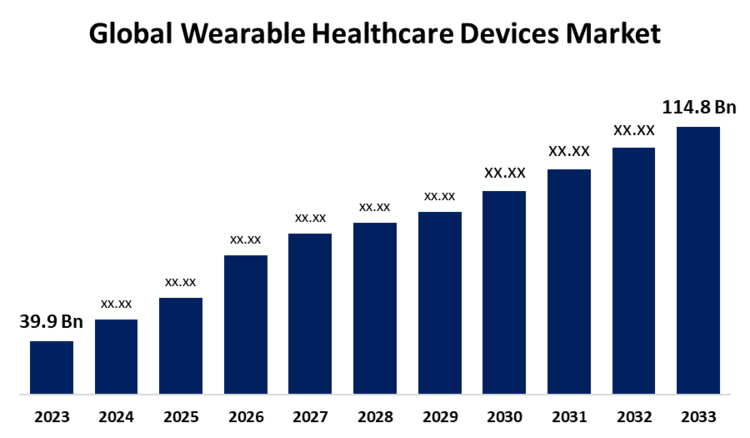
The global wearable healthcare devices market is on a remarkable growth trajectory, projected to escalate from USD 39.9 billion in 2023 to an impressive USD 114.8 billion by 2033. This surge, at a compound annual growth rate (CAGR) of 11.15%, underscores the increasing demand for proactive health management and advancements in sensor technology.
Wearable healthcare devices, including smartwatches and trackers, have become essential tools for individuals eager to monitor and manage their health proactively. These devices are more than just fitness trackers; they offer a multitude of functions such as heart rate monitoring, smartphone notifications, and integration with third-party applications. However, the continuous health monitoring they provide raises significant concerns about the security and privacy of sensitive health data.
Market Segmentation and Trends
The market is categorized by product types, applications, and distribution channels. Smartwatches are anticipated to lead the product segment, while the general health and fitness application segment is expected to dominate due to the growing focus on real-time health monitoring. E-commerce emerges as the leading distribution channel, facilitating the availability of these devices through digital platforms.
Geographical Insights
North America holds the largest market share, driven by favorable reimbursement laws, high per capita spending on advanced technologies, and significant investments by market players. Meanwhile, the Asia-Pacific region is expected to experience the fastest growth, propelled by initiatives to reduce patient hospital stays in countries like China, Japan, and India.
Competitive Landscape
The competitive landscape features major vendors such as Dr. Reddy’s Laboratories Ltd, Samsung Electronics, Huawei Technologies, Fitbit, and Apple. These companies continue to innovate and collaborate, fueling the market’s expansion. A notable development is the introduction of Nerivio, a non-invasive wearable for managing migraines, by Dr. Reddy’s Laboratories in Germany, marking its expansion in the European digital therapy market.
For those interested in delving deeper, the complete report and related documents are accessible through the following link. This information is crucial for stakeholders aiming to strategize and capitalize on burgeoning opportunities within the wearable healthcare devices marketplace.
More Articles
Getting licensed or staying ahead in your career can be a journey—but it doesn’t have to be overwhelming. Grab your favorite coffee or tea, take a moment to relax, and browse through our articles. Whether you’re just starting out or renewing your expertise, we’ve got tips, insights, and advice to keep you moving forward. Here’s to your success—one sip and one step at a time!
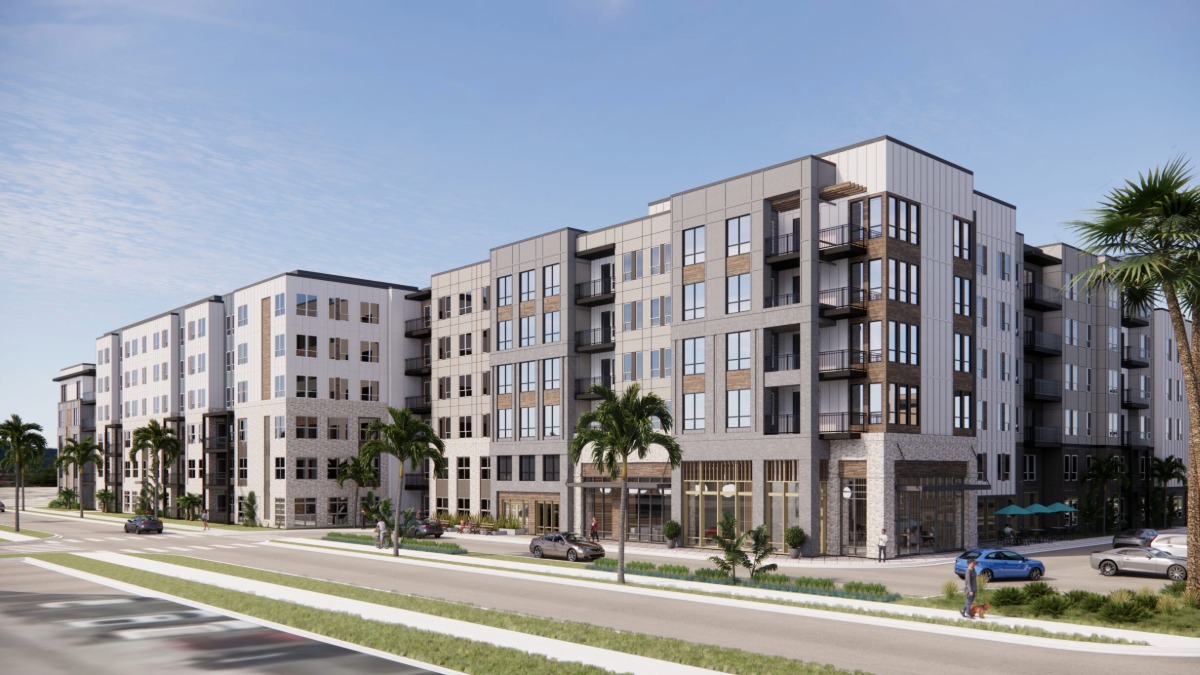
Landmark Properties has officially begun construction on The Mark Tampa, a six‑story luxury student community featuring over 800 beds, rooftop amenities, study spaces, retail, and modern unit layouts. Set to open before the 2027–2028 school year, the project signals strong investor confidence in North Tampa’s booming student housing market.
Florida’s property and auto insurance crisis is intensifying, setting the stage for a major political showdown ahead of the 2026 elections. Republicans argue recent reforms are finally stabilizing the market, while Democrats insist families are being crushed by soaring premiums and can’t wait for relief. With homeowners, condo associations, and insurers all feeling the pressure, lawmakers are preparing for one of the most consequential legislative battles in years.
Markets are betting heavily on a Federal Reserve rate cut in December, but that doesn’t guarantee lower mortgage rates. Even with an 85% chance of a cut priced in, mortgage rates move more with the 10‑year Treasury than the Fed itself — and recent history shows rates can rise even when the Fed eases. Today’s 6.43% average rate is the lowest in over a year, but still unpredictable, making financial readiness more important than trying to time the market.
Grand Junction is experiencing a powerful commercial real estate upswing, with 151 commercial units closed so far in 2025—a 36% jump from last year. Building permits are also up 23%, signaling expanding development momentum. Brokers say interest from national chains is accelerating the city’s evolution, bringing jobs, investment, and long‑term economic potential to Colorado’s Western Slope.
Nashville continues its rise as one of the nation’s most attractive real estate markets, landing the #6 spot in the Emerging Trends in Real Estate 2026 report from PwC and ULI. With strong demographic momentum, business expansion, and a development pipeline drawing national eyes, the city stands out amid shifting economic conditions. The report highlights fast‑growing sectors such as data centers, senior housing, and evolving office dynamics—offering real estate professionals valuable insight into where opportunities are emerging next.
Canada’s commercial real estate sector continues to evolve rapidly, with new data revealing major transactions, shifting investment patterns, and emerging economic signals across the country. From resilient retail spending to cooling construction and regional standouts like Montreal and the Prairies, this week’s CRE pulse—powered by Altus Group’s research team—gives real estate, mortgage, and finance professionals a sharp snapshot of the market forces to watch as 2025 winds down.