“`html

In a Significant Move, Goa Government Recruits 300 for Various Departments

The Goa government has made a notable stride in public sector employment by recruiting over 300 individuals for different departments through the Goa Staff Selection Commission (SSC). This initiative, as reported by the Times of India, underscores a commitment to a transparent and merit-based recruitment process.

Chief Minister Pramod Sawant emphasized that the recruitment was conducted with the intent of prioritizing local talent. A unique aspect of this drive was the requirement for candidates to demonstrate proficiency in the Konkani language, ensuring that only “original Goans” were selected. This decision is seen as a push towards promoting local culture and language.

The recruitment process saw 215 individuals appointed as lower division clerks (LDC), while 50 others were selected for roles such as junior stenographers, programmers, and technical assistants. This is part of a broader effort to fill positions across 18 different government departments.

In a statement, Sawant assured that the process was transparent, technology-driven, and purely based on merit. He noted, “The inclusion of a Konkani language paper further strengthens local participation and pride. I congratulate all newly-appointed employees and expect them to serve with dedication, integrity, and accountability.”

Previously, candidates had to endure multiple examinations to secure a government job. However, the current system streamlines this into a single exam, significantly reducing the burden on aspiring candidates. Sawant also highlighted that even if an individual has resided in Goa for 15 years, they would not qualify if they failed the Konkani language paper.

Interestingly, the lower division clerk exams attracted nearly 22,000 applications, and results were promptly uploaded on the commission’s website following the final day of the exam. The shortlisted candidates were then selected based on a merit list, adhering to a 1:5 ratio. This approach ensures that the top candidates advance to a computer-based recruitment test (CBRT), which qualifies them for the final skill test, thereby eliminating human bias.

On a related note, Chief Minister Sawant also launched a book celebrating the fifth anniversary of the Swayampurna Goa programme. This book documents the success stories of swayampurna mitras from all 191 panchayats, further underscoring the state government’s commitment to local empowerment and development.

For more information on related topics, you can read about the Delhi Artificial Rain and Rao Narender Singh.

“`

More Articles

Getting licensed or staying ahead in your career can be a journey—but it doesn’t have to be overwhelming. Grab your favorite coffee or tea, take a moment to relax, and browse through our articles. Whether you’re just starting out or renewing your expertise, we’ve got tips, insights, and advice to keep you moving forward. Here’s to your success—one sip and one step at a time!

Revolutionizing Healthcare: Telemedicine Services in 2024

In 2024, telemedicine services have expanded not only in availability but also in the variety of offerings tailored to meet diverse patient needs and preferences.

By |December 31, 2024|Categories: Article, Healthcare, Telemedicine Services|Tags: , |0 Comments

Revolutionizing Neurology: The AI Frontier

In a groundbreaking exploration of artificial intelligence's (AI) transformative potential, a recent article published by Frontiers delves into how AI is reshaping the landscape of neurological care, particularly in emergency settings.

By |December 30, 2024|Categories: Article, Artificial Intelligence, Neurology|Tags: |0 Comments

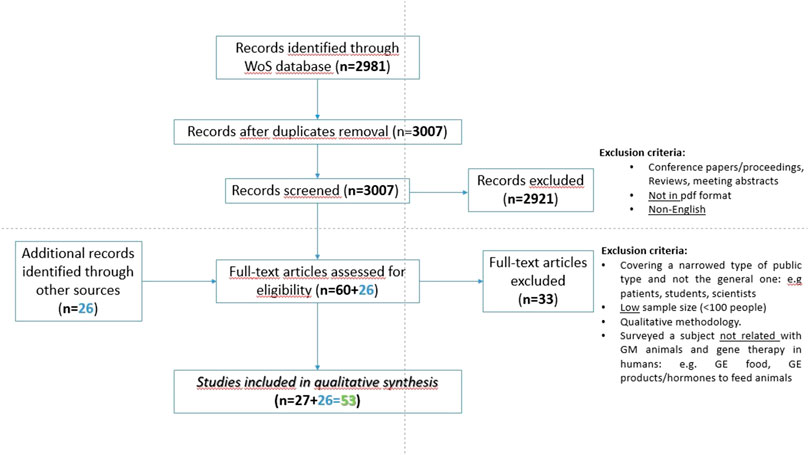
Public Perception of Genetic Engineering: Insights Before and After the CRISPR Era

The introduction of CRISPR-Cas9 in 2012 was a groundbreaking moment in the field of genetics, offering a more accessible method for precise genome modifications. This advancement has not only transformed genetic research but also ignited debates on the ethical implications of modifying human and animal genomes.

By |December 30, 2024|Categories: Article, Genetics, Public Perception|Tags: , |0 Comments

Revolutionizing Real Estate: The Impact of IoT

The integration of IoT (Internet of Things) into real estate is revolutionizing how we perceive and manage our living spaces. With over 15 billion IoT devices currently in use, a number expected to reach 29 billion by 2030, the potential for innovation is immense.

By |December 30, 2024|Categories: Article, Real Estate, Technology|Tags: , |0 Comments

Key Property Investment Trends to Watch in 2025

Investors who adapt to changes in market dynamics, prioritize sustainability, and leverage technology will be well-positioned for success. As Johan Hajji emphasizes, staying ahead of the curve is essential for maximizing returns in this competitive environment.

By |December 30, 2024|Categories: Article, Investment Trends, Real Estate|Tags: , |0 Comments

CMS Unveils Limited Digital Health Policies in Final Medicare Rule

CMS's authority in shaping digital health payment policies is limited, highlighting the need for congressional action to create a new benefit category for digital therapeutics.


By |December 29, 2024|Categories: Article, Digital Health, Healthcare Policy|Tags: , |0 Comments