“`html

In a Significant Move, Goa Government Recruits 300 for Various Departments

The Goa government has made a notable stride in public sector employment by recruiting over 300 individuals for different departments through the Goa Staff Selection Commission (SSC). This initiative, as reported by the Times of India, underscores a commitment to a transparent and merit-based recruitment process.

Chief Minister Pramod Sawant emphasized that the recruitment was conducted with the intent of prioritizing local talent. A unique aspect of this drive was the requirement for candidates to demonstrate proficiency in the Konkani language, ensuring that only “original Goans” were selected. This decision is seen as a push towards promoting local culture and language.

The recruitment process saw 215 individuals appointed as lower division clerks (LDC), while 50 others were selected for roles such as junior stenographers, programmers, and technical assistants. This is part of a broader effort to fill positions across 18 different government departments.

In a statement, Sawant assured that the process was transparent, technology-driven, and purely based on merit. He noted, “The inclusion of a Konkani language paper further strengthens local participation and pride. I congratulate all newly-appointed employees and expect them to serve with dedication, integrity, and accountability.”

Previously, candidates had to endure multiple examinations to secure a government job. However, the current system streamlines this into a single exam, significantly reducing the burden on aspiring candidates. Sawant also highlighted that even if an individual has resided in Goa for 15 years, they would not qualify if they failed the Konkani language paper.

Interestingly, the lower division clerk exams attracted nearly 22,000 applications, and results were promptly uploaded on the commission’s website following the final day of the exam. The shortlisted candidates were then selected based on a merit list, adhering to a 1:5 ratio. This approach ensures that the top candidates advance to a computer-based recruitment test (CBRT), which qualifies them for the final skill test, thereby eliminating human bias.

On a related note, Chief Minister Sawant also launched a book celebrating the fifth anniversary of the Swayampurna Goa programme. This book documents the success stories of swayampurna mitras from all 191 panchayats, further underscoring the state government’s commitment to local empowerment and development.

For more information on related topics, you can read about the Delhi Artificial Rain and Rao Narender Singh.


“`

More Articles

Getting licensed or staying ahead in your career can be a journey—but it doesn’t have to be overwhelming. Grab your favorite coffee or tea, take a moment to relax, and browse through our articles. Whether you’re just starting out or renewing your expertise, we’ve got tips, insights, and advice to keep you moving forward. Here’s to your success—one sip and one step at a time!

Global Capital Is Reshaping Real Estate for 2026

Investors worldwide are redeploying capital, embracing more active deal structures, and expanding into new regions as the 2026 market takes shape. Data centers, revived office demand, and global diversification are driving a major shift—creating fresh opportunities for real estate, mortgage, and finance professionals who understand where capital is heading next.

Florida’s Home Insurance Crisis Hits Breaking Point as Premiums Soar and Claims Go Unpaid

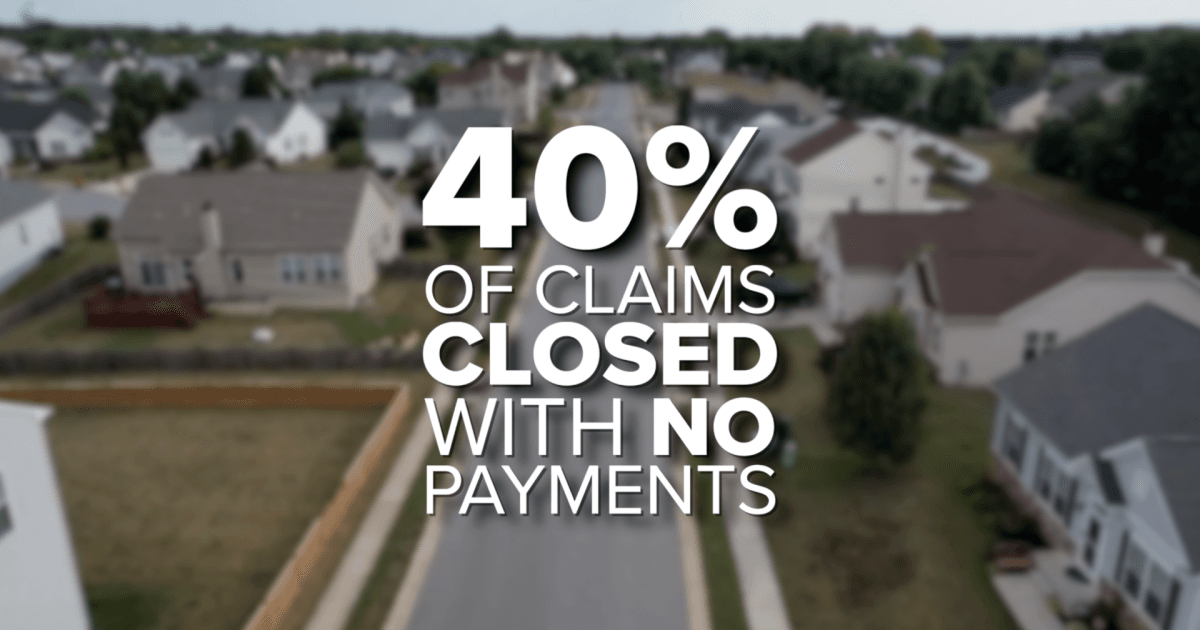
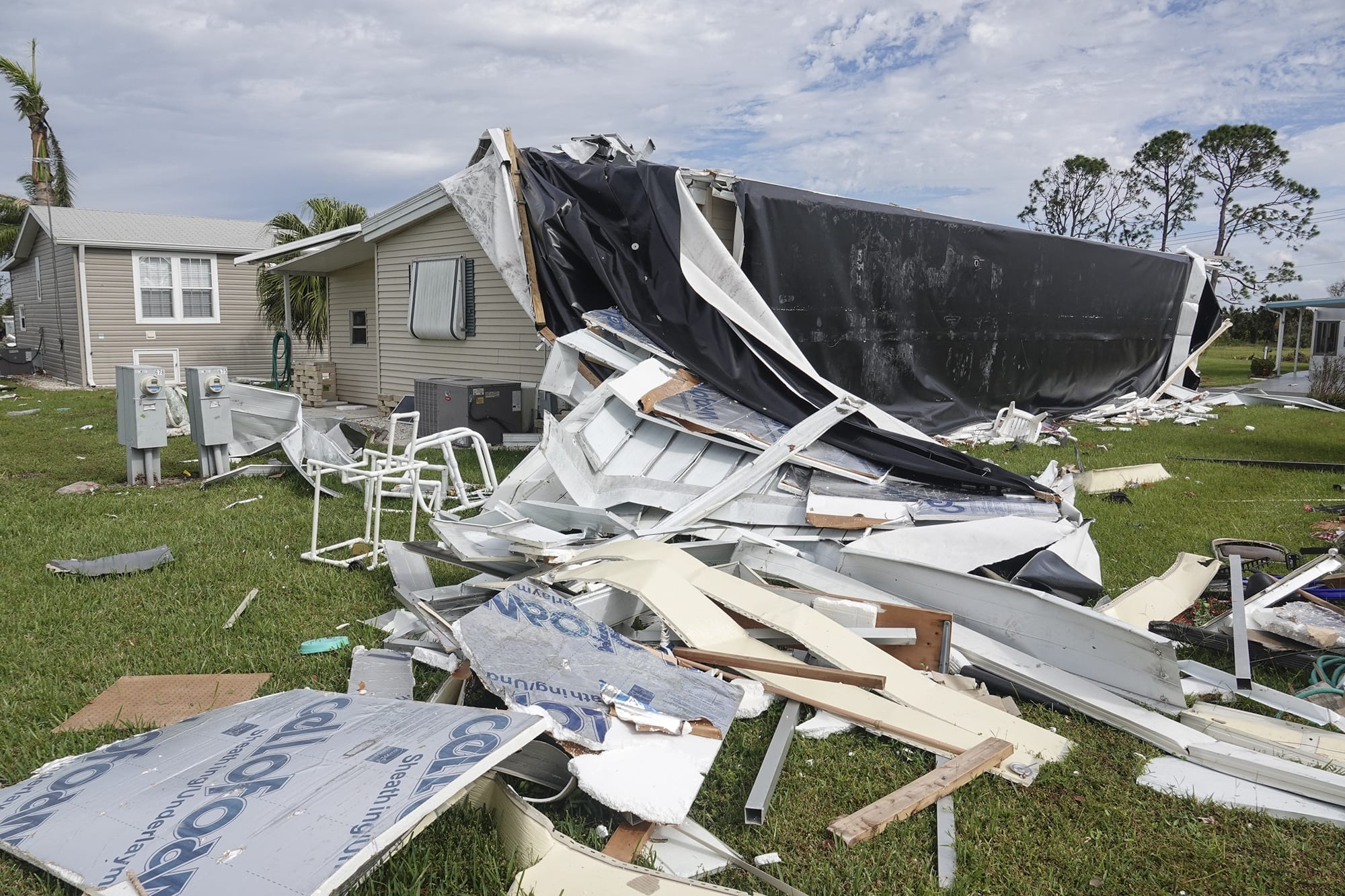
Florida homeowners now pay an average of $5,838 per year for insurance—about $3,000 more than the national average—pushing many families to the financial brink. Residents report premiums tripling, claims being severely underpaid, and insurers dropping policies at one of the highest rates in the country. As frustration mounts, lawmakers and industry experts are calling for sweeping reforms to curb rising costs, increase accountability, and stabilize a market that’s reshaping real estate decisions across the state.

Citizens Insurance Steps Back as Florida’s Private Market Surges

Florida’s insurance market has hit a major turning point. Citizens Property Insurance—once the state’s largest insurer with 1.4 million policies—has shed more than 900,000 policies as private insurers return in force. Driven by Florida’s depopulation program and the arrival of 17 new companies, nearly 200,000 policies shifted to private carriers in October alone, with about 40 percent offering lower premiums. The shift signals rising competition, stabilizing rates, and new opportunities for homeowners and industry professionals navigating Florida’s evolving insurance landscape.

NAR Unveils Biggest MLS Policy Overhaul in 20 Years, Effective 2026

The National Association of REALTORS® has approved 18 major updates to modernize its MLS policies—the largest overhaul in two decades. Announced at NAR NXT in Houston and set to take effect in January 2026, the changes aim to streamline MLS operations, improve enforcement clarity, and better align policies with how today’s real estate professionals actually work.

Inhabit Unveils New AI and Fraud Prevention Tools Transforming Property Management

Inhabit has rolled out a powerful lineup of AI-driven leasing, marketing, fraud prevention, and compliance tools designed to streamline operations and protect property teams from growing risks. From hybrid AI leasing assistants to instant income verification and upcoming portfolio-wide lease audits, these innovations aim to cut costs, eliminate inefficiencies, and strengthen regulatory confidence across the multifamily industry.

Florida’s Insurance System Is Shifting Again—But Are Homeowners Still in the Danger Zone?

Florida’s latest round of insurance reforms was meant to calm a volatile market, yet many experts warn the same deep structural problems remain. Homeowners are being pushed from Citizens into higher‑priced, lightly capitalized private insurers, ratings agencies face scrutiny for inflated grades, and political influence clouds oversight. For real estate and insurance professionals, these trends signal ongoing risk, rising costs, and a market in need of a complete rebuild.