Grand Junction’s Commercial Real Estate Boom: What a 36% Surge Means for the Region

Downtown grand junction main street

If you’ve been keeping an eye on Colorado’s Western Slope, you’ve likely sensed Grand Junction’s momentum. Now, a new report from KJCT confirms it: the city’s commercial real estate market is not just growing—it’s accelerating.

According to Bray Real Estate’s Commercial Report for Q3 of 2025, an impressive 151 commercial units have closed so far this year, marking a 36% jump over 2024. For a city known for its tight‑knit business community and strong local character, this kind of growth signals a meaningful shift toward broader economic expansion.

Building Permits on the Rise

The upward trend isn’t limited to sales. Building activity is also gaining momentum. The report highlights a 23% increase in building permits year‑over‑year, with 32 permits issued.

Commercial broker Matthew Parker sees no signs of slowing down. “It’s a small market, but it has the capability to grow and to really prosper,” he shared, noting that each quarter has shown consistent, incremental growth despite challenges like higher construction costs and ongoing labor shortages.

Big Chains, Big Potential

One of the most compelling developments Parker highlights is the arrival of larger national chains. Their presence often acts as a catalyst—sparking new business interest, encouraging local entrepreneurs to expand, and accelerating economic movement across the region.

More chains mean more jobs, more tax revenue, and more long‑term market stability. Grand Junction appears well‑positioned to benefit from each of these effects.

Why This Matters for Real Estate Professionals

For those building or advancing a career in commercial or residential real estate—even outside Colorado—Grand Junction’s expansion is a powerful reminder of how quickly local markets can shift and how important expertise is in recognizing opportunity.

If you’re looking to sharpen your skills, elevate your credentials, or break into the industry, Cameron Academy offers flexible, high-quality real estate education across the U.S. Our courses help professionals understand market cycles, recognize emerging opportunities, and stay ahead in an increasingly competitive landscape.

Market trends don’t just tell a story—they shape careers. Now is the moment to be prepared.

Source: Copyright 2025 KJCT. All rights reserved.

More Articles

Getting licensed or staying ahead in your career can be a journey—but it doesn’t have to be overwhelming. Grab your favorite coffee or tea, take a moment to relax, and browse through our articles. Whether you’re just starting out or renewing your expertise, we’ve got tips, insights, and advice to keep you moving forward. Here’s to your success—one sip and one step at a time!

The Surprising Way to Profit From the AI Boom: It’s Not Tech—It’s Real Estate

While most people chase AI stocks or compete for high‑pressure tech jobs, the real opportunity may be unfolding in AI boomtown real estate. As companies like OpenAI, Anthropic, Microsoft, and NVIDIA mint new waves of wealthy workers, demand for housing in key cities is exploding. From San Francisco to Austin, AI‑driven markets are seeing rising rents, limited inventory, and buyers preparing for massive IPO windfalls. For real estate professionals—or anyone entering the field—this surge represents one of the strongest long‑term opportunities in the industry.

Florida Ends Insurance Surcharge Early, Saving Homeowners $650 Million

Florida is ending its 1 percent emergency insurance surcharge two years ahead of schedule, saving homeowners an estimated 650 million dollars through 2028. Thanks to a calm hurricane season, fewer insurer failures, and reduced lawsuits, officials say the state’s property insurance market is now in its strongest financial position in a decade. The change offers relief for homeowners and new momentum for Florida’s real estate industry, where lower insurance costs can boost buyer confidence and support smoother transactions.

The Hidden Risk: Why Banning Big Investors Could Shrink Housing Options for Millions

A growing political push to block institutional investors from buying single-family homes may sound like a pro-homeowner policy, but the data shows it could do the opposite. Younger and racially diverse renters rely heavily on single-family rentals as an affordable, stable alternative to buying—yet restricting investor participation would shrink this supply, pushing many families into overcrowded housing, motels, or homelessness. The real issue isn’t who buys the homes, but that America doesn’t have enough of them.

Agents Embrace AI and Simplicity: Zillow’s 2026 Survey Shows What Real Estate Pros Really Want

Zillow’s 2026 Agent Trends Survey reveals a major shift in what agents value most: technology that reduces mental drain. Nearly half of agents now use AI tools daily, yet most still juggle multiple platforms that sap their focus. Zillow’s upcoming unified platform, Zillow Pro, aims to streamline workflows and cut cognitive load. The survey also highlights key industry trends, including buyer financial literacy gaps, the importance of relationships for lead generation and the growing need for tech fluency among both new and seasoned real estate professionals.

Florida Cities With the Fastest Growing Home Prices in 2026

Florida’s housing market is still surging, with luxury enclaves like Lake Buena Vista, Jupiter Island, and Golden Beach seeing massive six‑figure price jumps in just one year. Smaller towns such as Old Town, Cross City, and Hosford also posted steady gains, proving demand is rising statewide. For real estate professionals, these trends highlight where buyers are moving, where inventory is tight, and where future opportunities lie—making market literacy an essential advantage for anyone pursuing or expanding a career in Florida real estate.

Rhode Island Unveils Bold Housing Package to Tackle Affordability Crisis

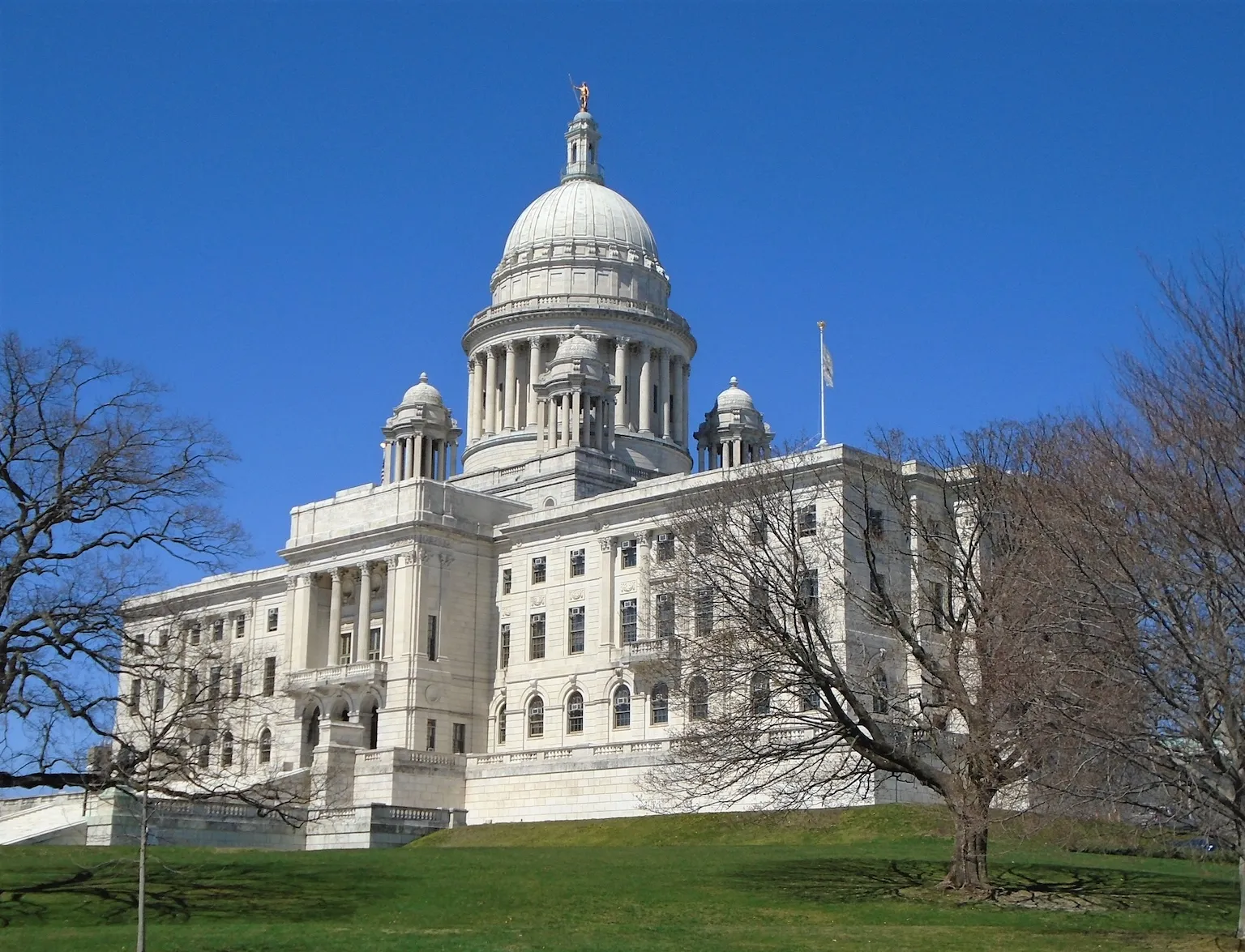
Rhode Island is launching its sixth major housing reform package, aiming to boost affordability through zoning updates, lot splits, code changes, and the revival of single room occupancy and co‑living housing. With the state still recovering from years of underbuilding and soaring home prices, lawmakers hope these reforms will unlock new supply, ease pressure on renters and buyers, and create fresh opportunities for real estate professionals.