GSE Loan Buybacks’ Effect on Lenders and the Mortgage Market
An In-depth Analysis of Loan Buybacks and Their Impacts
Government-sponsored enterprise (GSE) loan buybacks have emerged as a significant issue for lenders in the mortgage market. The sudden increase in buybacks from entities like Fannie Mae and Freddie Mac is causing financial and operational strain among lenders. This article delves into the situation, shedding light on its implications for lenders and the overall mortgage industry.
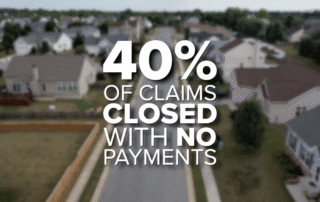
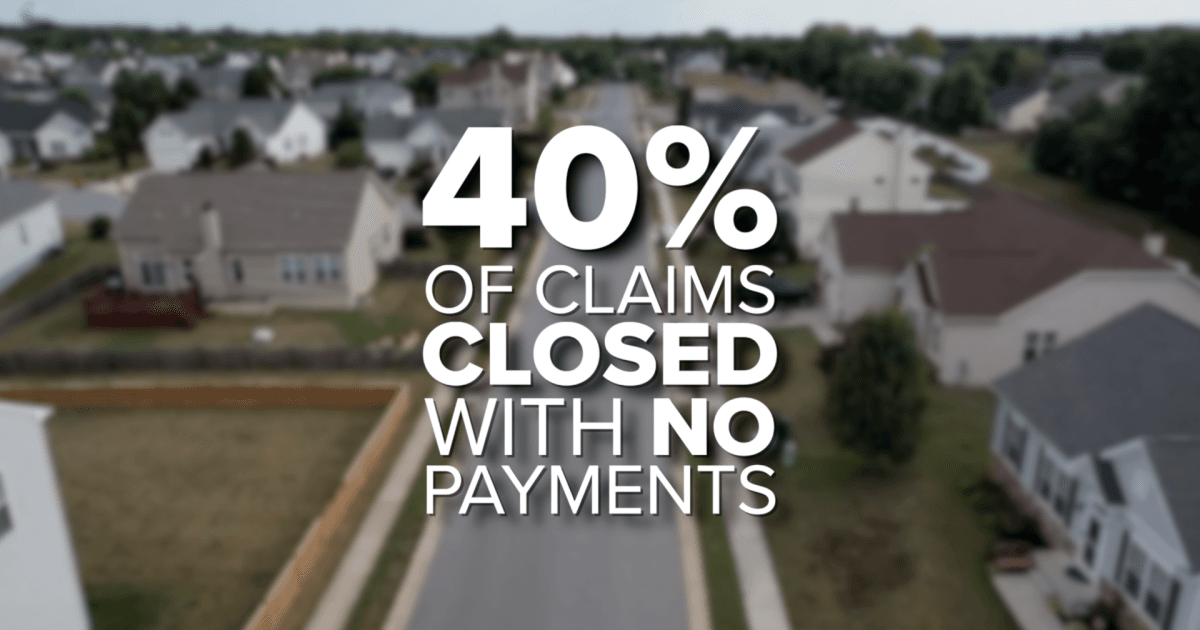
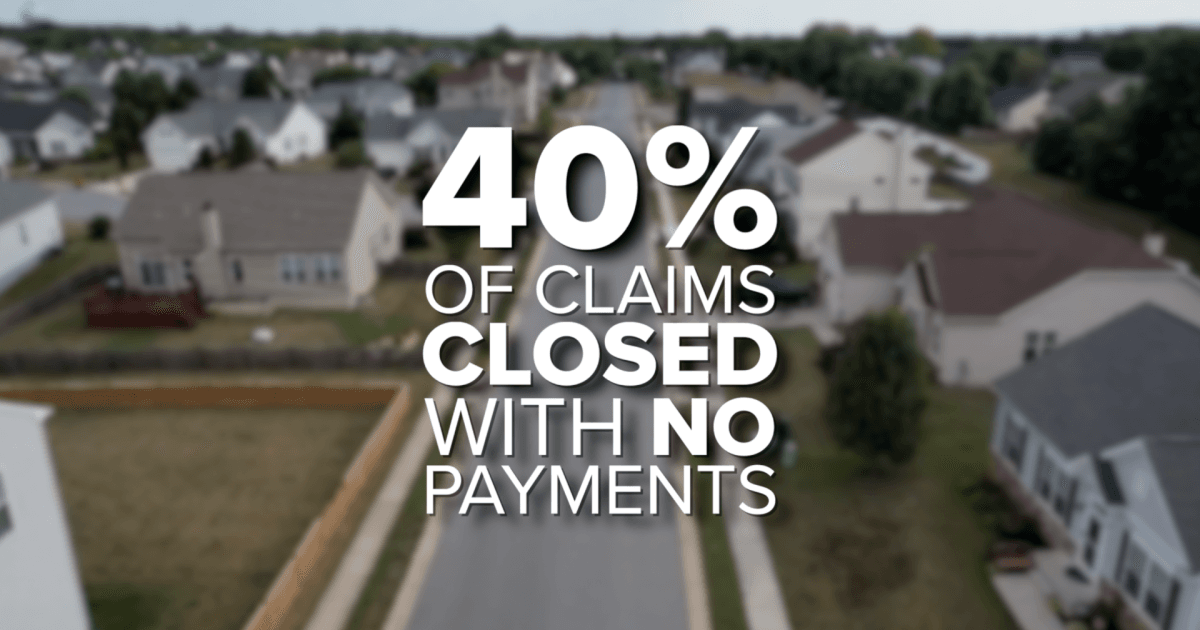
Loan buybacks happen when GSEs demand that lenders repurchase loans that fail to meet their underwriting standards. While this practice aims to safeguard investors and maintain loan quality, the recent surge in buybacks has taken many lenders by surprise.
The rise in loan buybacks is largely due to stricter underwriting guidelines enforced by Fannie Mae and Freddie Mac. These GSEs have tightened their standards in response to worries about the quality of originated loans. Consequently, lenders are forced to repurchase loans sold to the GSEs in good faith.
Financial and Operational Challenges Faced by Lenders
The impact of these buybacks is significant and far-reaching. Lenders not only face financial losses from repurchasing loans, but they also encounter operational challenges. The process of repurchasing loans is time-consuming and costly, diverting resources that could be used for originating new loans and serving customers effectively.

Uncertainty in the Mortgage Market
The surge in loan buybacks has created uncertainty in the mortgage market. Lenders are becoming more cautious in their underwriting practices, which could lead to a tightening of credit availability. This, in turn, may make it more challenging for borrowers to obtain mortgage financing, potentially slowing down the housing market.
Wholesale leaders are expressing frustration with the situation. They argue that the GSEs should provide clearer guidelines and better communication to lenders to avoid these buybacks. They also believe that the GSEs should take more responsibility for the loans they purchase and share in the risk associated with them.

Lenders’ Response to the Situation
In response to the challenges posed by loan buybacks, lenders are implementing stricter underwriting practices and enhancing their quality control processes. They are also exploring alternative funding sources to reduce their reliance on the GSEs. These measures aim to mitigate the financial and operational impact of buybacks and ensure the stability of their lending operations.
Catastrophic Impact on Lenders
The surge in loan buybacks from Fannie Mae and Freddie Mac is having a catastrophic impact on some lenders. The financial losses, operational challenges, and uncertainty in the mortgage market are causing frustration and concern. Wholesale leaders are calling for better communication and shared responsibility between lenders and the GSEs to address this issue effectively.
It is crucial for lenders to navigate this challenging landscape and adapt their strategies to minimize the impact of loan buybacks. By implementing robust underwriting practices and exploring alternative funding options, lenders can protect their financial stability and continue serving their customers in the ever-changing mortgage market.
Education for Your Career at Cameron Academy
Explore the Opportunities at Cameron Academy
Maximize your potential with our comprehensive online career education courses. Whether you’re seeking professional license renewal, pre-license training, or state-specific real estate education, we’ve got you covered. Our courses are tailored to your needs and goals, empowering busy professionals across the country to succeed.
Start Your Journey Today
Visit our website to explore our wide range of courses and start your journey towards a successful career.
Explore Our Courses