Gulf of America? Google Maps Just Got Political, and We’re Still Processing

You ever wake up, check the news, and immediately question if you’re still dreaming? That was me this morning when I saw this headline: The Gulf of Mexico has been renamed the Gulf of America. Excuse me? Come again?

Wait, What Just Happened?

So, here’s the deal. President Trump, on his first day back in office, signed an executive order renaming the Gulf of Mexico to the Gulf of America. (Because apparently, top priority.) Google Maps, not one to shy away from a government-approved change, hopped right on board and updated the name on their platform. They even posted on X (formerly Twitter) that they have a “longstanding practice” of adjusting names according to official sources.

Translation: “Hey, don’t blame us. We’re just following the paperwork.”

Oh, and here’s the kicker—if you’re in Mexico, it’s still the Gulf of Mexico. So, depending on where you’re standing, that body of water has two different names. International waters just got a whole lot pettier.

My Immediate Reaction?

I have so many questions—mostly why? Who woke up and thought: You know what needs fixing? Not the economy, not infrastructure, but the name of that big ol’ body of water.

Also, imagine being a geography teacher right now. Yesterday, they were explaining the Gulf of Mexico. Today, they’re rewriting all their lesson plans.

And let’s not even start on travelers planning spring break trips. Google Maps is out here casually rewriting borders without warning. Imagine trying to meet your friends on the beach and texting, “Just follow the Gulf of Mexico signs—wait, sorry, I mean America. I mean… I don’t even know anymore.”

Is This a Trend Now?

Honestly, this feels like a sequel to that time when Google Maps had Crimea switching names depending on who was looking at the map. One glance from Russia? Crimea. A peek from Ukraine? Nope, different name.

Naming disputes aren’t new. Countries have been playing tug-of-war with names for centuries—Sea of Japan vs. East Sea, anyone? But THIS? This is like renaming Lasagna to ‘Freedom Pasta’ and expecting everyone to just roll with it.

What’s Next?

  • Are we renaming the Atlantic Ocean to the Freedom Pond?
  • Will the Grand Canyon become the Patriot’s Trench?
  • How far does this go?

Honestly, I need to hear from you—because I can’t be the only one feeling like we’ve entered some alternate reality. Do you think this change actually matters? Are you calling it the Gulf of America now? Or will you be forever loyal to “Mexico” like an old-school map purist?

Drop your thoughts (or complaints) in the non-renamed comment section—because at this rate, even that might not be safe.

“`

More Articles

Getting licensed or staying ahead in your career can be a journey—but it doesn’t have to be overwhelming. Grab your favorite coffee or tea, take a moment to relax, and browse through our articles. Whether you’re just starting out or renewing your expertise, we’ve got tips, insights, and advice to keep you moving forward. Here’s to your success—one sip and one step at a time!

A New Blueprint for True Florida Affordability: Jayden D’Onofrio Pushes for Real Relief in 2026

Florida families are feeling the squeeze as everyday costs, insurance premiums, and homeownership barriers continue to climb. House District 102 candidate Jayden D’Onofrio is calling for a broader, more unified affordability strategy—one that tackles the state’s insurance crisis, supports first‑time homebuyers, and restores real competition in the market. His message centers on transparency, practical solutions, and keeping Florida livable for the professionals, workers, and families who power its economy.

Health Insurance Shake‑Up: America’s Coverage Markets Enter a New Era

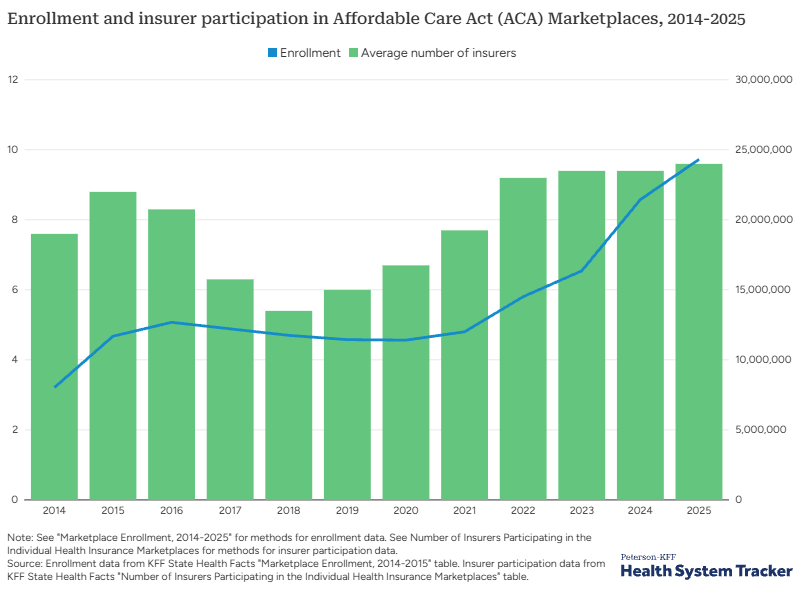
A decade of dramatic change is reshaping America’s health insurance markets. Employer group plans are becoming increasingly dominated by a few powerful insurers, while the ACA individual marketplace is experiencing record‑breaking competition and enrollment. Self‑funded plans are surging, small‑group premiums are driving employers to new coverage models, and major policy shifts in 2025 could redefine affordability for millions. This data‑driven Peterson‑KFF analysis breaks down the trends every insurance, finance, and business professional needs to understand as the industry enters a transformative new era.

Florida’s Next Mega‑Development: Winchester Ranch Set to Transform North Port

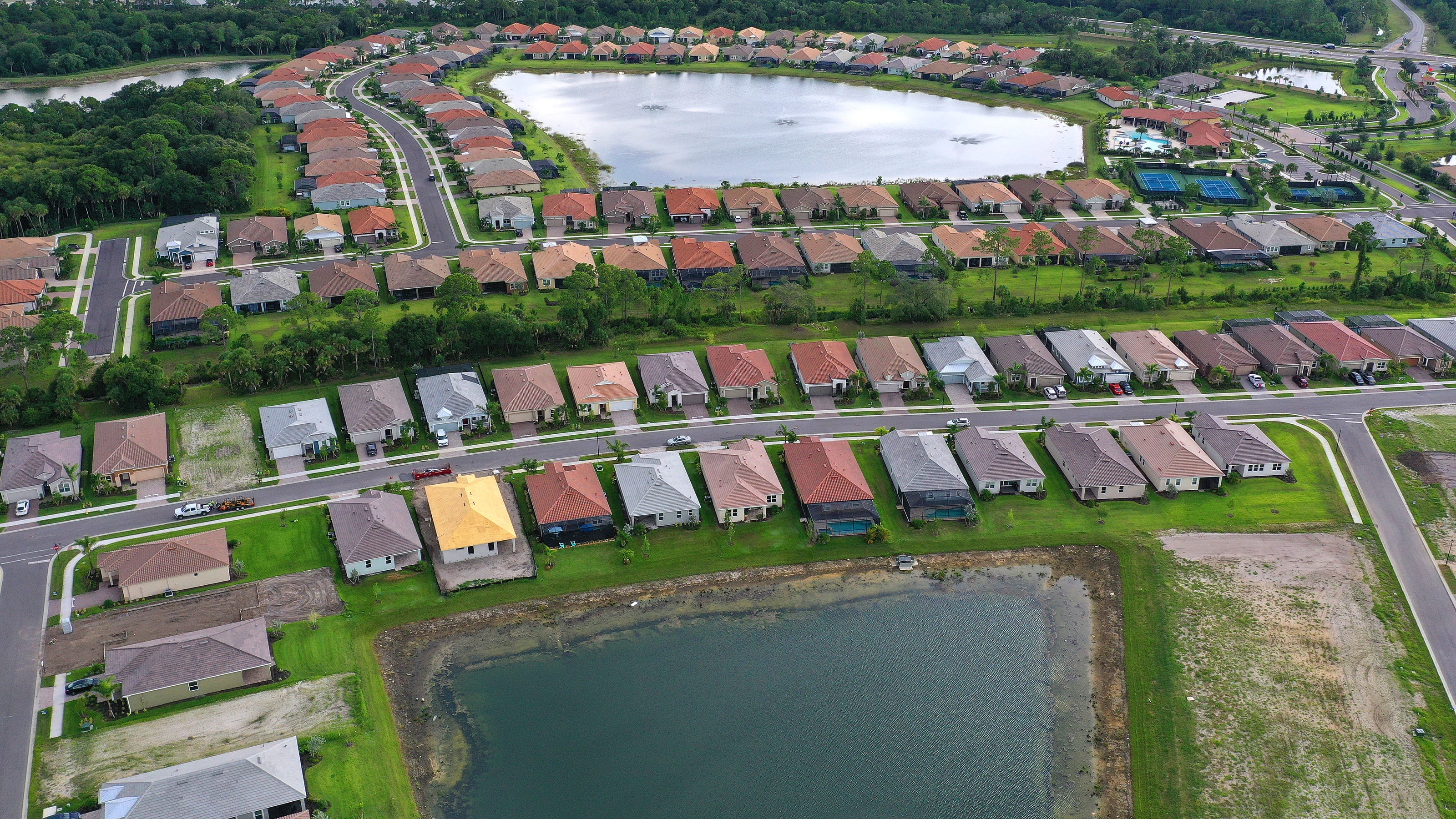
Sarasota County is inching closer to approving Winchester Ranch, a massive 8,999‑home community planned for more than 3,100 acres in North Port. With a 7‑1 vote from the Planning Commission and a final decision expected in early 2026, the project could become one of Southwest Florida’s largest developments in decades—bringing new housing, commercial space, and industry while raising fresh questions about growth, the environment, and the region’s rapidly evolving real estate market.

Lument Finance Trust Closes $664 Million CRE CLO, Signaling Strength in 2025 Markets

Lument Finance Trust has closed a major $663.8 million commercial real estate CLO, marking one of the standout CRE finance deals of 2025. The transaction, LMNT 2025-FL3, features a strong reinvestment period, non‑recourse and non‑mark‑to‑market financing, and a diversified pool of 32 loans tied to 49 properties nationwide. With J.P. Morgan leading the structuring and more than $585 million placed in investment‑grade securities, the deal highlights renewed stability in transitional CRE debt—making it a development real estate and finance professionals will want to watch closely.

Walmart Launches America’s Largest 3D‑Printed Commercial Building Initiative

Walmart has partnered with Alquist 3D to roll out the nation’s first large‑scale wave of 3D‑printed commercial buildings, signaling a major shift in how future retail and industrial spaces will be constructed. After completing an 8,000‑square‑foot 3D‑printed expansion in Tennessee—the largest of its kind—the company is moving forward with over a dozen new projects nationwide, accelerating a tech‑driven transformation in commercial real estate.

Citizens Insurance Proposes 2026 Rate Cuts, Signaling Relief for Florida’s Property Market

Citizens Property Insurance Corp. is recommending statewide rate reductions for 2026—the first proposed decrease in more than a decade. Most Citizens policyholders could see an average 11.5% drop, reflecting recent insurance‑market reforms that have stabilized Florida’s turbulent property sector. With hundreds of thousands of policies moving back to private insurers and state‑backed Citizens shrinking to record‑low enrollment, real estate and insurance professionals should prepare for how lower premiums may influence affordability, buyer confidence, and market activity heading into 2026.