Gulf of America? Google Maps Just Got Political, and We’re Still Processing

You ever wake up, check the news, and immediately question if you’re still dreaming? That was me this morning when I saw this headline: The Gulf of Mexico has been renamed the Gulf of America. Excuse me? Come again?

Wait, What Just Happened?

So, here’s the deal. President Trump, on his first day back in office, signed an executive order renaming the Gulf of Mexico to the Gulf of America. (Because apparently, top priority.) Google Maps, not one to shy away from a government-approved change, hopped right on board and updated the name on their platform. They even posted on X (formerly Twitter) that they have a “longstanding practice” of adjusting names according to official sources.

Translation: “Hey, don’t blame us. We’re just following the paperwork.”

Oh, and here’s the kicker—if you’re in Mexico, it’s still the Gulf of Mexico. So, depending on where you’re standing, that body of water has two different names. International waters just got a whole lot pettier.

My Immediate Reaction?

I have so many questions—mostly why? Who woke up and thought: You know what needs fixing? Not the economy, not infrastructure, but the name of that big ol’ body of water.

Also, imagine being a geography teacher right now. Yesterday, they were explaining the Gulf of Mexico. Today, they’re rewriting all their lesson plans.

And let’s not even start on travelers planning spring break trips. Google Maps is out here casually rewriting borders without warning. Imagine trying to meet your friends on the beach and texting, “Just follow the Gulf of Mexico signs—wait, sorry, I mean America. I mean… I don’t even know anymore.”

Is This a Trend Now?

Honestly, this feels like a sequel to that time when Google Maps had Crimea switching names depending on who was looking at the map. One glance from Russia? Crimea. A peek from Ukraine? Nope, different name.

Naming disputes aren’t new. Countries have been playing tug-of-war with names for centuries—Sea of Japan vs. East Sea, anyone? But THIS? This is like renaming Lasagna to ‘Freedom Pasta’ and expecting everyone to just roll with it.

What’s Next?

  • Are we renaming the Atlantic Ocean to the Freedom Pond?
  • Will the Grand Canyon become the Patriot’s Trench?
  • How far does this go?

Honestly, I need to hear from you—because I can’t be the only one feeling like we’ve entered some alternate reality. Do you think this change actually matters? Are you calling it the Gulf of America now? Or will you be forever loyal to “Mexico” like an old-school map purist?

Drop your thoughts (or complaints) in the non-renamed comment section—because at this rate, even that might not be safe.

“`

More Articles

Getting licensed or staying ahead in your career can be a journey—but it doesn’t have to be overwhelming. Grab your favorite coffee or tea, take a moment to relax, and browse through our articles. Whether you’re just starting out or renewing your expertise, we’ve got tips, insights, and advice to keep you moving forward. Here’s to your success—one sip and one step at a time!

Global Capital Is Reshaping Real Estate for 2026

Investors worldwide are redeploying capital, embracing more active deal structures, and expanding into new regions as the 2026 market takes shape. Data centers, revived office demand, and global diversification are driving a major shift—creating fresh opportunities for real estate, mortgage, and finance professionals who understand where capital is heading next.

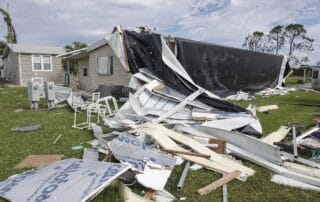
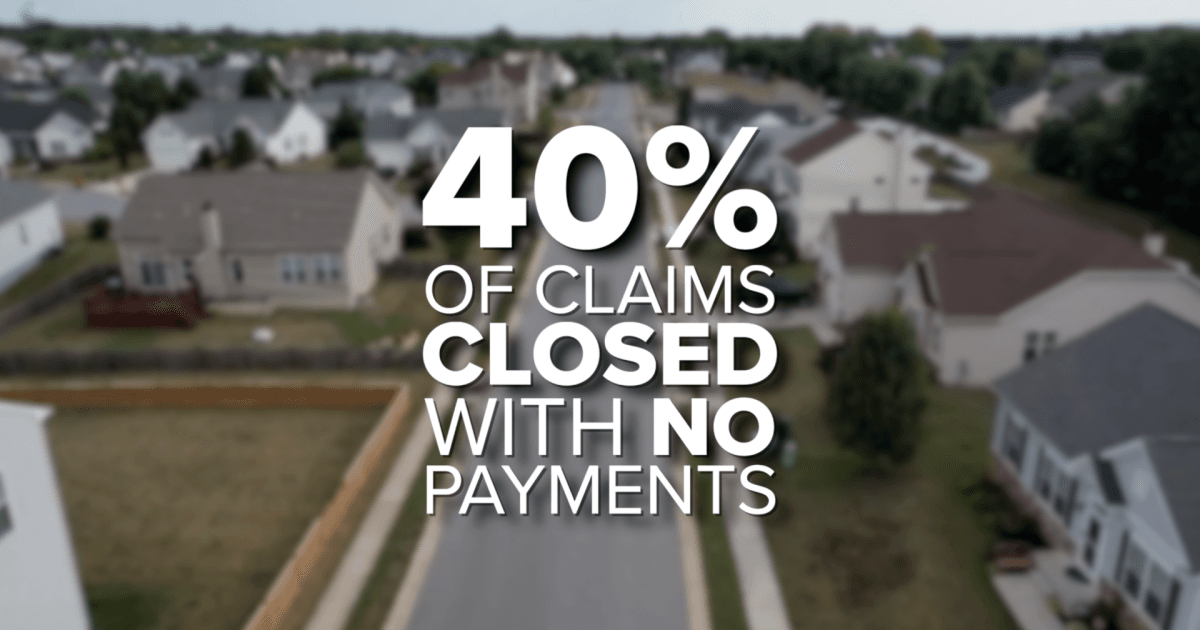
Florida’s Home Insurance Crisis Hits Breaking Point as Premiums Soar and Claims Go Unpaid

Florida homeowners now pay an average of $5,838 per year for insurance—about $3,000 more than the national average—pushing many families to the financial brink. Residents report premiums tripling, claims being severely underpaid, and insurers dropping policies at one of the highest rates in the country. As frustration mounts, lawmakers and industry experts are calling for sweeping reforms to curb rising costs, increase accountability, and stabilize a market that’s reshaping real estate decisions across the state.

Citizens Insurance Steps Back as Florida’s Private Market Surges

Florida’s insurance market has hit a major turning point. Citizens Property Insurance—once the state’s largest insurer with 1.4 million policies—has shed more than 900,000 policies as private insurers return in force. Driven by Florida’s depopulation program and the arrival of 17 new companies, nearly 200,000 policies shifted to private carriers in October alone, with about 40 percent offering lower premiums. The shift signals rising competition, stabilizing rates, and new opportunities for homeowners and industry professionals navigating Florida’s evolving insurance landscape.

NAR Unveils Biggest MLS Policy Overhaul in 20 Years, Effective 2026

The National Association of REALTORS® has approved 18 major updates to modernize its MLS policies—the largest overhaul in two decades. Announced at NAR NXT in Houston and set to take effect in January 2026, the changes aim to streamline MLS operations, improve enforcement clarity, and better align policies with how today’s real estate professionals actually work.

Inhabit Unveils New AI and Fraud Prevention Tools Transforming Property Management

Inhabit has rolled out a powerful lineup of AI-driven leasing, marketing, fraud prevention, and compliance tools designed to streamline operations and protect property teams from growing risks. From hybrid AI leasing assistants to instant income verification and upcoming portfolio-wide lease audits, these innovations aim to cut costs, eliminate inefficiencies, and strengthen regulatory confidence across the multifamily industry.

Florida’s Insurance System Is Shifting Again—But Are Homeowners Still in the Danger Zone?

Florida’s latest round of insurance reforms was meant to calm a volatile market, yet many experts warn the same deep structural problems remain. Homeowners are being pushed from Citizens into higher‑priced, lightly capitalized private insurers, ratings agencies face scrutiny for inflated grades, and political influence clouds oversight. For real estate and insurance professionals, these trends signal ongoing risk, rising costs, and a market in need of a complete rebuild.