In an era where artificial intelligence is redefining the landscape of negotiation preparation, professionals across various sectors are leveraging AI as a powerful ally. From real estate agents defending listing prices to lawyers preparing for settlement talks, AI is becoming indispensable in strategy development, bias mitigation, and scenario simulation.
Kwame Christian, a world-renowned negotiation expert and contributor to Forbes, delves into how AI transforms preparation for high-stakes conversations. In his insightful piece, Christian illustrates AI’s potential in enhancing negotiation outcomes by providing tools that allow users to anticipate objections, role-play scenarios, and identify cognitive biases.
AI in Negotiation Preparation
AI offers unprecedented capabilities in preparing for negotiations. By simulating scenarios, professionals can practice handling unexpected aggression or hostility, making them better equipped for real-life situations. A study in the Journal of Applied Psychology highlights that participants who engaged in AI-powered role-playing were significantly more adept at crafting integrative solutions and maintaining composure under pressure.
Managing Cognitive Biases
Negotiators often face unconscious biases that can derail decision-making processes. AI excels at identifying these biases by analyzing thought patterns and emotional reactions. For instance, AI can help negotiators recognize biases like anchoring or confirmation bias, allowing them to approach negotiations more objectively.
Scenario Simulation and Role-Playing
Role-playing with AI can dramatically improve negotiation outcomes. By practicing with AI simulators, negotiators can rehearse calm, assertive responses before high-stakes conversations. Harvard’s Program on Negotiation emphasizes the effectiveness of this approach in managing emotions and improving negotiation skills.
Practical Applications
In real estate, AI transforms market research into a strategic advantage by analyzing trends and providing data-driven insights. Legal professionals can use AI to build persuasive cases while anticipating opposition strategies, transforming adversarial negotiations into collaborative problem-solving sessions.
Christian’s article on Forbes is a comprehensive guide to harnessing AI’s potential in negotiation preparation. As AI becomes more prevalent, professionals who embrace these tools will find themselves better prepared and more competitive in their fields.
More Articles
Getting licensed or staying ahead in your career can be a journey—but it doesn’t have to be overwhelming. Grab your favorite coffee or tea, take a moment to relax, and browse through our articles. Whether you’re just starting out or renewing your expertise, we’ve got tips, insights, and advice to keep you moving forward. Here’s to your success—one sip and one step at a time!
After nearly 20 years under uniquely harsh lending rules, Florida may finally see its condo market freed from a 25% down payment requirement imposed only on the state. Industry leaders say Fannie Mae could announce changes as early as December—potentially restoring the standard 10% down payment used everywhere else in the country. Experts believe the shift would boost maintenance funding, improve affordability, and stabilize Florida’s condo market after years of strain.
Phoenix’s commercial real estate market is shaking off years of uncertainty as broker optimism hits its highest level since interest rates began climbing. The latest ASU Commercial Broker Sentiment Index soared to 62.7, signaling strong confidence across multifamily, retail, office, and capital markets. With population growth accelerating, interest rates easing, and AI boosting industry efficiency, Phoenix is positioning itself for a powerful run into 2026—offering meaningful opportunities for both new and seasoned real estate professionals.
Michigan’s House Rules Committee heard testimony on a proposal that would let licensed professionals complete all required continuing education online. Supporters say the change would modernize outdated rules, reduce costs, and improve access for rural and busy workers. The state licensing department backs the measure, and lawmakers noted it could reshape CE options across industries from real estate to insurance and healthcare.
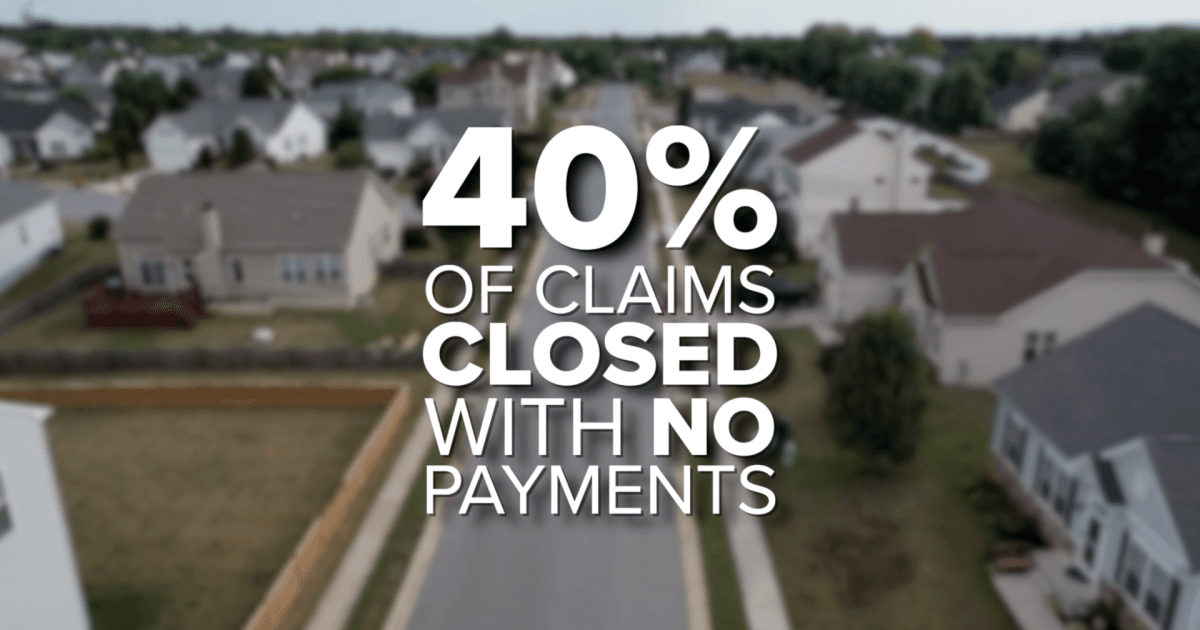
Florida homeowners are now paying an average of $5,838 per year for insurance — nearly $3,000 above the national average — making it one of the most expensive states in the country. As premiums continue to triple for some residents, many are being forced into tough decisions, from delaying home improvements to dropping coverage altogether. With more than 40% of claims closed with no payment and lawmakers pushing for aggressive reforms, the crisis is reshaping Florida’s housing market and placing growing pressure on real estate, mortgage, and insurance professionals statewide.
Griffin Funding has elevated John Jones to Senior Vice President of Growth and EOS Integrator, marking a major step in the company’s long-term expansion strategy. Already a key operational leader since April 2025, Jones will now drive performance optimization, market expansion, and leadership development as the lender pursues an ambitious goal of reaching $3 billion in annual non-QM loan volume by 2030. His promotion underscores Griffin Funding’s commitment to scaling strategically while strengthening its position in the fast-growing non-QM space.
Despite recent Federal Reserve rate cuts, commercial real estate remains frozen. Long‑term Treasury yields continue to climb, keeping borrowing costs high and preventing the relief investors expected. With nearly $1 trillion in commercial loans coming due, refinancing at today’s elevated rates is squeezing owners, slowing transactions, and creating a widening gap between buyers and sellers. For patient, well‑capitalized investors, this period of recalibration may offer some of the strongest opportunities in years.