In the ever-evolving landscape of
healthcare,
artificial intelligence (AI) and
machine learning are not just buzzwords; they are transformative forces reshaping the very fabric of medical practice. As we stand on the brink of a
healthcare revolution,
AI’s integration into diagnostics, patient care, and research heralds a new era of efficiency and precision.
The AI Revolution in Healthcare
The
Cleveland Clinic, a pioneer in medical innovation, exemplifies the profound impact of
AI in healthcare. According to
Rohit Chandra, PhD, the Clinic’s Chief Digital Officer,
AI’s prowess in interpreting medical images such as MRIs and X-rays often surpasses human capabilities. This advancement is not just theoretical; it is actively enhancing patient outcomes.
AI in Diagnostics
AI’s role in diagnostics is particularly noteworthy. In breast cancer detection, tools like
iCAD’s ProFound AI assist radiologists in identifying subtle changes in breast tissue, crucial for early detection. Similarly, AI-driven systems like
Viz.ai are revolutionizing stroke triage, ensuring that critical cases receive immediate attention, thereby saving precious time and lives.
Transforming Research and Patient Care
Beyond diagnostics,
AI is reshaping research methodologies. The
Discovery Accelerator, a collaboration between Cleveland Clinic and IBM, exemplifies how computational power can accelerate biomedical discoveries. By consolidating vast patient data,
AI aids in refining treatment decisions and predictive models, notably in fields like epilepsy surgery.
The potential of
AI extends to managing tasks and improving patient services. AI-powered chatbots streamline patient interactions, while AI systems assist healthcare providers by capturing important notes during consultations, thus enhancing the overall patient experience.
Ethical Considerations and Future Prospects
As
AI continues to permeate healthcare, ethical considerations become paramount. The Cleveland Clinic’s involvement in the
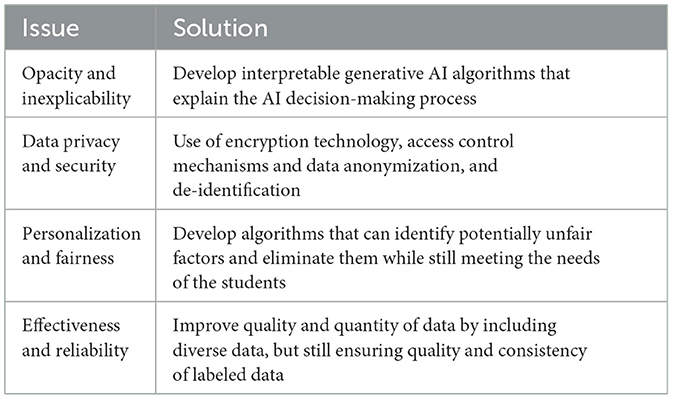
AI Alliance underscores a commitment to advancing AI’s use in medicine responsibly. This global effort aims to ensure that AI’s integration into healthcare is both safe and ethical.
The journey of
AI in healthcare is just beginning, with its potential to revolutionize the field growing by the day. As Dr. Lara Jehi, Cleveland Clinic’s Chief Resource Information Officer, aptly puts it,
AI offers a path forward that ensures no data is left behind, opening doors to new knowledge and improved patient care.