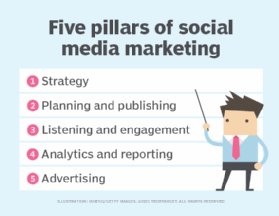
In the ever-evolving landscape of 2025, marketing professionals are increasingly turning to certifications as a means to stay ahead of the curve and gain a competitive edge. With rapid advancements in technology and shifts in consumer behavior, these certifications have become a vital tool for marketers seeking to validate and expand their skill sets.
According to a recent article from TechTarget, certifications in areas such as AI, data analytics, and digital innovation are proving invaluable. These credentials not only differentiate professionals but also equip them with the tools needed to bring substantial value to both their teams and customers.
Why Marketing Certifications Matter
Marketing certifications serve as a testament to a professional’s expertise in specific areas such as social media marketing, SEO, and digital analytics. They provide a competitive edge in job applications and foster career growth by opening doors to new opportunities.
In 2025, the commitment to continuous education through certifications is crucial. It signals a willingness to invest time in professional development, staying abreast of industry trends and best practices, which is a blueprint for success.
Free vs. Paid Marketing Certifications
When choosing between free and paid marketing certifications, professionals must consider their personal goals, time, and budget. Paid certifications generally offer more comprehensive education with structured learning materials and professional feedback. They often come from recognized institutions and may require tests or projects to demonstrate proficiency.
Conversely, free certifications, while lacking the depth of paid options, are more accessible. They provide a flexible, self-paced learning experience through online tutorials and resources. Both paths offer valuable opportunities to enhance marketing knowledge and career potential.
Top Certifications and Courses for 2025
AI in Marketing:
AI for Business and Marketing – Offered by the Digital Marketing Institute, this course provides a comprehensive introduction to AI tools and strategies. Price: $535
AI for Marketing – A free course by HubSpot Academy, covering AI integration in marketing efforts.
Advanced SEO Courses:
Google SEO Fundamentals – Available via Coursera, this self-paced program covers essential SEO topics. Price: Requires Coursera subscription
Semrush Academy – Free SEO courses focusing on keyword research and digital advertising, offered by Semrush Academy.
Digital Marketing Innovations:
Meta Certifications – Validate expertise in platforms like Facebook and Instagram. Price: $99-$150 per exam. More info at Meta Blueprint.
Google Ads Search Certification – Free course on Skillshop, focusing on search ad campaigns.
As we delve deeper into 2025, the importance of marketing certifications continues to grow. They not only enhance individual skill sets but also provide a strategic advantage in a competitive industry landscape. For more insights, visit the original article on TechTarget.
Select options
This product has multiple variants. The options may be chosen on the product page
Details
More Articles
Getting licensed or staying ahead in your career can be a journey—but it doesn’t have to be overwhelming. Grab your favorite coffee or tea, take a moment to relax, and browse through our articles. Whether you’re just starting out or renewing your expertise, we’ve got tips, insights, and advice to keep you moving forward. Here’s to your success—one sip and one step at a time!
The debut episode of NAR’s Change Agents podcast highlights why real estate expertise is more valuable than ever in an AI-driven world. eXp Realty CEO Leo Pareja explains that while technology accelerates communication and connections, consumers still rely on seasoned professionals to guide them through life’s biggest financial decisions. From the Everest analogy to real-world AI success stories, the conversation reveals how trust, transparency, and expert guidance remain the core of the real estate experience.
U.S. 30‑year mortgage rates have dipped to 5.98%, breaking below 6% for the first time since 2022. This third consecutive weekly decline signals a potentially energized spring buying season as lower Treasury yields and easing market anxiety push rates down. Buyers, sellers, and real estate professionals may see renewed activity as affordability slightly improves and refinancing picks up momentum.
A sweeping federal reporting requirement is about to impact how companies, trusts, investors, and even cash buyers purchase residential real estate. FinCEN’s new rule closes long‑standing loopholes that allowed anonymous all‑cash property deals, requiring many entity-based buyers to disclose their true beneficial owners. Real estate agents, brokers, and advisors should brace for workflow changes and increased compliance responsibilities, while investors are urged to review their acquisition structures now to avoid delays once the rule takes effect.
After briefly dipping below 6 percent for the first time in years, mortgage rates have surged again following U.S.-Israeli military strikes on Iran. Rising oil prices and a jump in Treasury yields have pushed the average 30-year fixed rate back to 6.12 percent, creating fresh uncertainty just as the spring housing market was gaining traction. Experts warn that continued geopolitical instability could keep rates elevated, while upcoming U.S. employment data may determine whether relief is on the horizon for buyers and sellers.
New 2026 data reveals that the average life insurance policy costs just 26 dollars a month—less than most lunch outings—making it more affordable than many professionals expect. Rates vary based on age, health, gender, smoking habits, and term length, with younger and healthier applicants paying significantly less. As real estate, mortgage, insurance, and finance professionals plan long-term financial stability, understanding these pricing factors is crucial.