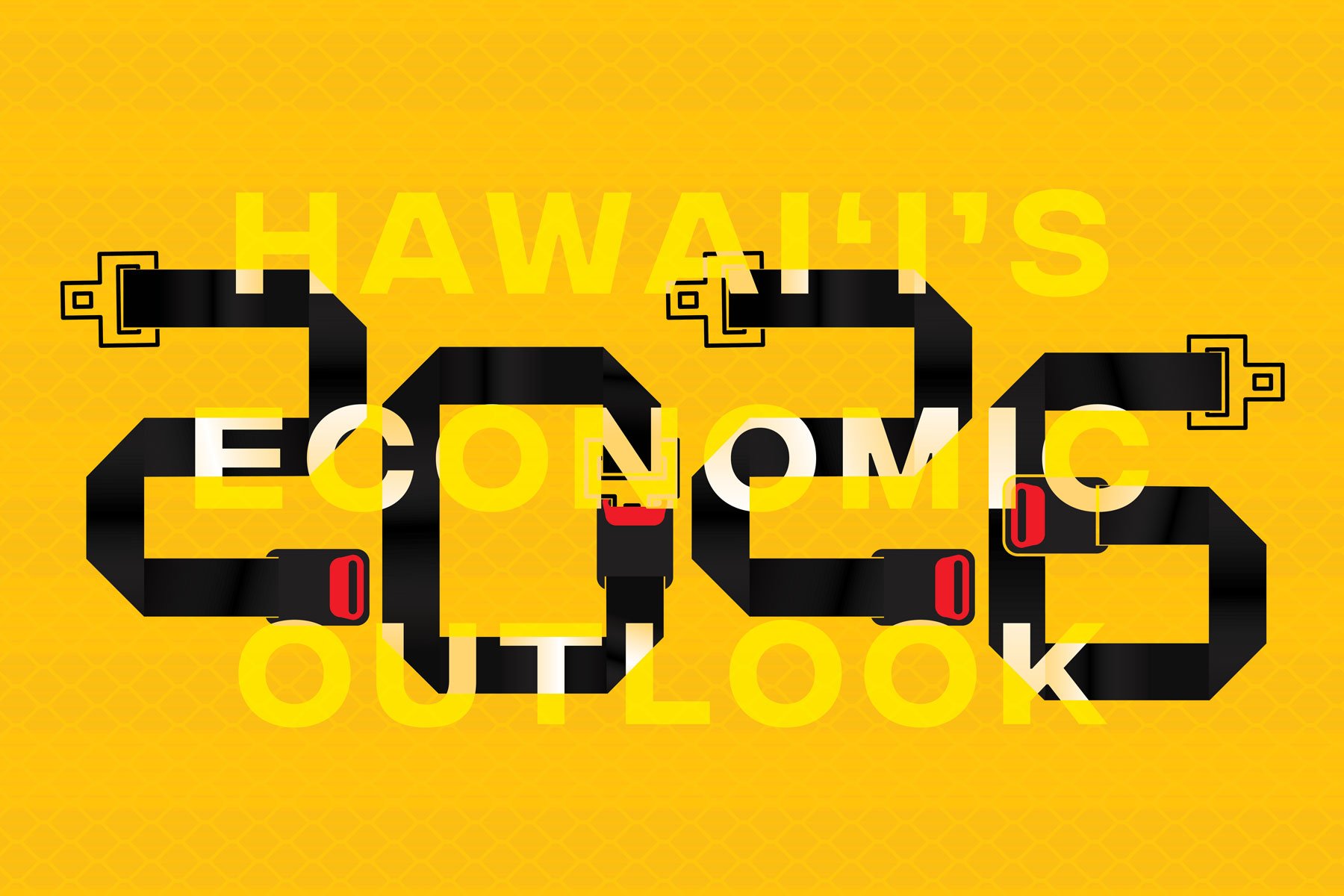
Hawai‘i’s 2026 Economic Crossroads: What Professionals Across the U.S. Should Be Watching
If you’ve been tracking national economic trends, you know that 2026 is shaping up to be a transformational year. But nowhere is this shift more pronounced than in Hawai‘i—a place where global and domestic pressures don’t simply influence the economy… they reshape it entirely.
The team at Hawaii Business Magazine recently released one of the most thorough economic outlooks to date. Covering tourism, real estate, construction, banking, health care, and small business, it paints a compelling portrait of a state facing change—and opportunity.
The Big Picture: A Resilient But Vulnerable Island Economy
Hawai‘i steps into 2026 with a unique mix of strengths and vulnerabilities. Construction is accelerating, but tourism—the state’s largest private‑sector driver—is slowing. Federal spending, a major stabilizing force, faces looming reductions. Inflation and global trade tensions continue to ripple through every sector.
“Together, tourism and federal spending represent almost a third of Hawai‘i’s economy,” says UHERO’s Carl Bonham. “Any slowdown hits hard and spreads fast.”
Yet these challenges often spark opportunity—especially for professionals in construction, real estate, and finance who understand how shifting markets create new openings.
While other states face construction downturns, Hawai‘i’s sector is projected to remain robust. Billions in federal and military spending, major infrastructure upgrades, and critical housing projects are fueling long‑term demand.
NAVFAC alone is expected to award $8 billion in new contracts over the next decade—creating waves of opportunity for project managers, engineers, inspectors, and real estate‑adjacent professionals.
This boom intersects heavily with real estate licensing—an area where schools like Cameron Academy continue to help professionals enter fast‑growing markets nationwide.
Tourism: Slowing Down at the Worst Possible Time
Visitor arrivals are dropping, and because U.S. mainland travelers now make up roughly 80% of all visitors, any mainland slowdown has immediate effects.
International travel is also lagging. Japan and Canada remain far below pre‑pandemic numbers due to currency challenges and economic uncertainty.
With the Hawai‘i Convention Center partially closing for repairs until 2028, analysts expect up to 60% of convention business to temporarily disappear.
Residential Real Estate: A Flicker of Light at the End of the Tunnel
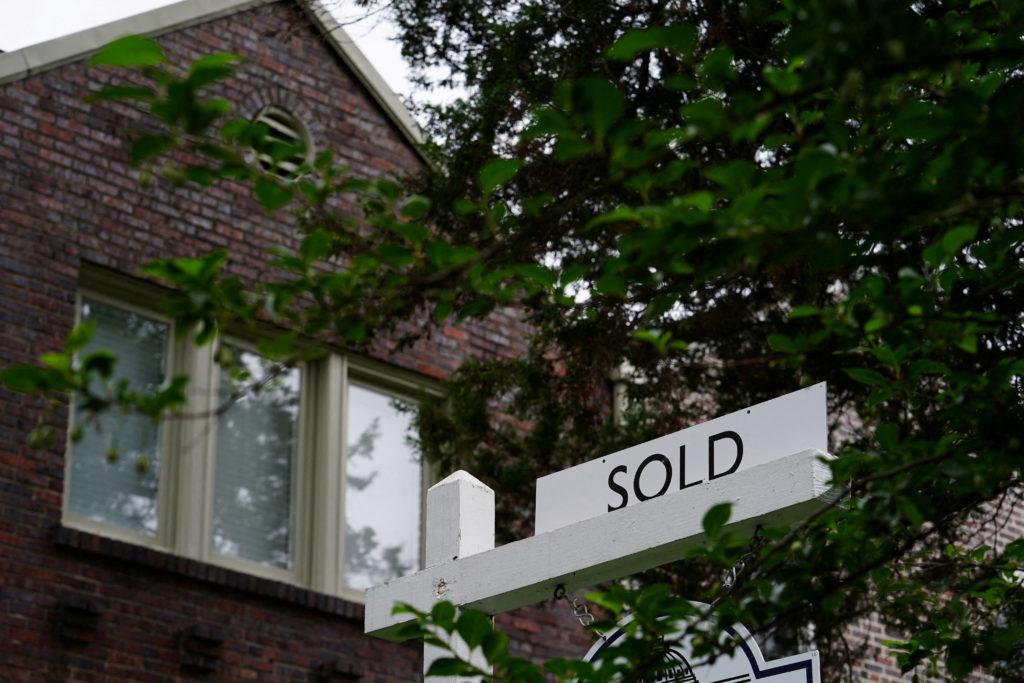
Finally—good news. Falling mortgage rates have already sparked rising demand on O‘ahu and beyond. Sales activity, buyer interest, and median prices all began trending upward in late 2025.
NAR Chief Economist Lawrence Yun predicts double‑digit sales growth in 2026. However, the market still faces:
high condo fees
elevated insurance premiums
limited supply
Even so, lower rates could unlock pent‑up movement from both hesitant buyers and long‑waiting sellers.
Commercial Real Estate: Stable, Surprisingly Steady
Compared to national volatility, Hawai‘i’s commercial market is holding steady:
Industrial space remains tight but growing
Retail continues to show resilience
Office vacancies remain below national averages
Local investors dominate recent acquisitions
Large land purchases signal strong long‑term confidence in Hawai‘i’s business environment.
Health Care & Small Business: The Pressure Points
Two crucial sectors are entering turbulent territory.
Health care faces:
anticipated cuts to Medicaid and ACA subsidies
tighter medical student loan caps
a worsening staffing shortage
Small businesses face:
higher shipping costs
tariff‑driven price increases
minimum wage hikes
a weakening tourism base
Banking and Finance: Cautious Optimism
Hawai‘i’s banking sector remains one of the strongest in the nation. Leaders expect cautious but improving conditions throughout 2026.
Lower interest rates may trigger increased lending, commercial expansion, and stronger housing activity.
“We have to be successful here in order to be successful—period,” says Peter Ho, CEO of Bank of Hawai‘i. “If Hawai‘i isn’t successful, none of us will be.”
Why This Matters to Professionals Everywhere
Hawai‘i’s economic challenges reflect broader national forces:
shifting federal priorities
global tariff fluctuations
AI‑driven disruptions
affordability crises
real estate recalibration
For professionals in fields like real estate, finance, construction, health care, or public policy, Hawai‘i serves as a preview of what’s emerging across the U.S.
Where Cameron Academy Fits In
As Hawai‘i and the nation continue to evolve, one truth remains: professionals who keep learning will lead the future.
Whether you’re entering a new field or expanding into multi‑state licensing, Cameron Academy supports learners nationwide in real estate, mortgage, insurance, medical administration, and more.
A Final Thought
Hawai‘i has reinvented itself many times—through the whaling boom, plantation era, and global tourism rise. Its next transformation will be shaped by AI, technology, sustainability, and long‑overdue housing reforms.
If history tells us anything, Hawai‘i won’t just endure 2026—it will evolve.
Explore the complete original analysis at
Hawaii Business Magazine.
It’s a must‑read for anyone tracking one of the most dynamic economies in America.
More Articles
Getting licensed or staying ahead in your career can be a journey—but it doesn’t have to be overwhelming. Grab your favorite coffee or tea, take a moment to relax, and browse through our articles. Whether you’re just starting out or renewing your expertise, we’ve got tips, insights, and advice to keep you moving forward. Here’s to your success—one sip and one step at a time!
The Florida Treasure Coast started the new year with a surge of 1,905 new home listings—up 22 percent from last January—signaling one of the strongest inventory jumps in years. While Martin County saw its median home price drop by nearly $100,000, nearby St. Lucie and Indian River counties continued to rise, creating a uniquely mixed market. With sales climbing and inventory levels shifting toward a more buyer-friendly landscape, 2026 is shaping up to be an active and opportunity-rich year for both seasoned agents and those entering the real estate field.
A unanimously passed House bill, HB 767, aims to require insurers to publicly disclose rate and premium data—giving Floridians long‑awaited clarity on rising costs. If approved by the Senate, the measure could significantly impact homeowners, real estate agents, mortgage professionals, and insurance specialists by increasing consumer trust and revealing how insurers calculate premiums.
U.S. mortgage rates have dipped to 5.98 percent, breaking below the 6 percent mark for the first time since 2022 and giving the spring home-buying season a fresh boost. With rates falling for the third straight week and buyer interest rising, experts say this shift could encourage more market activity—though many homeowners with ultra‑low pandemic-era rates may still hesitate to sell.
Artificial intelligence is rapidly transforming real estate, from listing creation to MLS infrastructure, forcing the industry to rethink how data is used, altered and protected. With AI tools making it easier than ever to modify photos, automate marketing and process sensitive documents, MLSs and state regulators are racing to establish new guardrails that ensure accuracy, privacy and consumer protection without slowing innovation.
Today’s real estate pros juggle nonstop client demands, constant marketing, and mountains of paperwork—but AI is stepping in as the ultimate assistant. From instant lead responses and personalized follow-up messages to predictive pricing tools and automated transaction support, agents are using AI to save hours, boost production, and stay competitive. The future of real estate belongs to professionals who combine their human touch with smart technology, and the shift is already happening.
A landmark US Supreme Court decision striking down the use of emergency powers to impose broad tariffs has upended global trade expectations, lifted equity markets, and sent businesses scrambling to understand what comes next. While GDP slowed and inflation rose, markets reacted positively as the ruling removed a major source of uncertainty for importers, exporters, and investors. With the old tariff framework dismantled and new targeted measures on the horizon, industries from real estate to finance are bracing for shifting economic conditions that could influence everything from consumer spending to investment strategy.