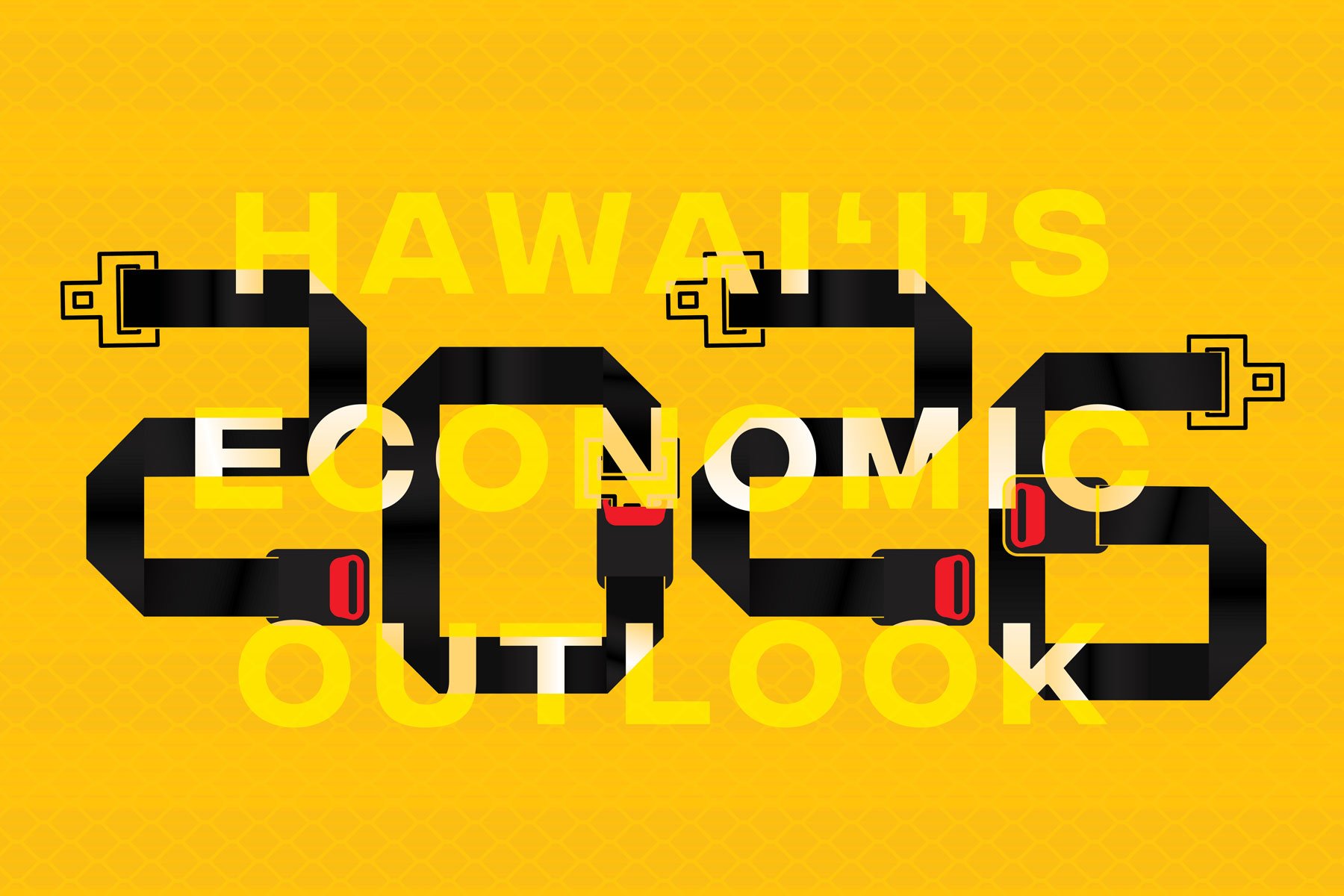
Hawai‘i’s 2026 Economic Crossroads: What Professionals Across the U.S. Should Be Watching
If you’ve been tracking national economic trends, you know that 2026 is shaping up to be a transformational year. But nowhere is this shift more pronounced than in Hawai‘i—a place where global and domestic pressures don’t simply influence the economy… they reshape it entirely.
The team at Hawaii Business Magazine recently released one of the most thorough economic outlooks to date. Covering tourism, real estate, construction, banking, health care, and small business, it paints a compelling portrait of a state facing change—and opportunity.
The Big Picture: A Resilient But Vulnerable Island Economy
Hawai‘i steps into 2026 with a unique mix of strengths and vulnerabilities. Construction is accelerating, but tourism—the state’s largest private‑sector driver—is slowing. Federal spending, a major stabilizing force, faces looming reductions. Inflation and global trade tensions continue to ripple through every sector.
“Together, tourism and federal spending represent almost a third of Hawai‘i’s economy,” says UHERO’s Carl Bonham. “Any slowdown hits hard and spreads fast.”
Yet these challenges often spark opportunity—especially for professionals in construction, real estate, and finance who understand how shifting markets create new openings.
While other states face construction downturns, Hawai‘i’s sector is projected to remain robust. Billions in federal and military spending, major infrastructure upgrades, and critical housing projects are fueling long‑term demand.
NAVFAC alone is expected to award $8 billion in new contracts over the next decade—creating waves of opportunity for project managers, engineers, inspectors, and real estate‑adjacent professionals.
This boom intersects heavily with real estate licensing—an area where schools like Cameron Academy continue to help professionals enter fast‑growing markets nationwide.
Tourism: Slowing Down at the Worst Possible Time
Visitor arrivals are dropping, and because U.S. mainland travelers now make up roughly 80% of all visitors, any mainland slowdown has immediate effects.
International travel is also lagging. Japan and Canada remain far below pre‑pandemic numbers due to currency challenges and economic uncertainty.
With the Hawai‘i Convention Center partially closing for repairs until 2028, analysts expect up to 60% of convention business to temporarily disappear.
Residential Real Estate: A Flicker of Light at the End of the Tunnel
Finally—good news. Falling mortgage rates have already sparked rising demand on O‘ahu and beyond. Sales activity, buyer interest, and median prices all began trending upward in late 2025.
NAR Chief Economist Lawrence Yun predicts double‑digit sales growth in 2026. However, the market still faces:
high condo fees
elevated insurance premiums
limited supply
Even so, lower rates could unlock pent‑up movement from both hesitant buyers and long‑waiting sellers.
Commercial Real Estate: Stable, Surprisingly Steady
Compared to national volatility, Hawai‘i’s commercial market is holding steady:
Industrial space remains tight but growing
Retail continues to show resilience
Office vacancies remain below national averages
Local investors dominate recent acquisitions
Large land purchases signal strong long‑term confidence in Hawai‘i’s business environment.
Health Care & Small Business: The Pressure Points
Two crucial sectors are entering turbulent territory.
Health care faces:
anticipated cuts to Medicaid and ACA subsidies
tighter medical student loan caps
a worsening staffing shortage
Small businesses face:
higher shipping costs
tariff‑driven price increases
minimum wage hikes
a weakening tourism base
Banking and Finance: Cautious Optimism
Hawai‘i’s banking sector remains one of the strongest in the nation. Leaders expect cautious but improving conditions throughout 2026.
Lower interest rates may trigger increased lending, commercial expansion, and stronger housing activity.
“We have to be successful here in order to be successful—period,” says Peter Ho, CEO of Bank of Hawai‘i. “If Hawai‘i isn’t successful, none of us will be.”
Why This Matters to Professionals Everywhere
Hawai‘i’s economic challenges reflect broader national forces:
shifting federal priorities
global tariff fluctuations
AI‑driven disruptions
affordability crises
real estate recalibration
For professionals in fields like real estate, finance, construction, health care, or public policy, Hawai‘i serves as a preview of what’s emerging across the U.S.
Where Cameron Academy Fits In
As Hawai‘i and the nation continue to evolve, one truth remains: professionals who keep learning will lead the future.
Whether you’re entering a new field or expanding into multi‑state licensing, Cameron Academy supports learners nationwide in real estate, mortgage, insurance, medical administration, and more.
A Final Thought
Hawai‘i has reinvented itself many times—through the whaling boom, plantation era, and global tourism rise. Its next transformation will be shaped by AI, technology, sustainability, and long‑overdue housing reforms.
If history tells us anything, Hawai‘i won’t just endure 2026—it will evolve.
Explore the complete original analysis at
Hawaii Business Magazine.
It’s a must‑read for anyone tracking one of the most dynamic economies in America.
More Articles
Getting licensed or staying ahead in your career can be a journey—but it doesn’t have to be overwhelming. Grab your favorite coffee or tea, take a moment to relax, and browse through our articles. Whether you’re just starting out or renewing your expertise, we’ve got tips, insights, and advice to keep you moving forward. Here’s to your success—one sip and one step at a time!
The 2026 housing market is off to a powerful start, with rising buyer activity, expanding inventory, and steady pricing creating one of the most balanced environments in years. Pending home sales and mortgage applications are climbing, inventory has reached 2.6 months of supply, and new listings continue to grow—all signaling renewed confidence and fresh opportunity for real estate professionals nationwide.
A wave of optimism is returning to U.S. commercial real estate heading into 2026, with 95% of investors planning to buy the same or more property than last year. Capital allocations are rising, Sun Belt cities continue to shine, and multifamily remains the top asset class. As pricing stabilizes and debt pressures ease, professionals across real estate and finance are entering a year defined by strategic growth and renewed opportunity.
Floridians were told insurance relief was on the way, but many homeowners are seeing the opposite as premiums continue to rise. Despite state leaders insisting the market is improving and insurers filing rate decreases, homeowners like Lisa Riggi say the real‑world impact tells a different story. Higher property valuations, inflation, and updated replacement‑cost calculations are driving premiums upward, leaving some families questioning whether they can afford to remain in Florida.
Florida once promised retirees sunshine, low costs, and a $20,000 condo by the pool. But in 2026, soaring insurance rates, rising taxes, shrinking affordable housing, and an influx of wealthier newcomers have transformed the state into a far more expensive version of the paradise our parents knew. From corporate buyouts of mobile home parks to multimillion‑dollar estates redefining the market, today’s Florida is a place of widening gaps, disappearing middle‑range homes, and a future that demands deeper pockets—and smarter market insight.
Mortgage rates continue easing into the low 6% range, giving buyers and real estate professionals a welcome boost in early February 2026. Softer labor market data and slipping Treasury yields are helping keep rates stable, with 30‑year fixed loans averaging around 6.26% and refinance rates also trending lower. While affordability remains tight, today’s calmer rate environment is opening doors for more buyers—and offers agents a clearer outlook as they guide clients through a still‑shifting market.
A new CBRE survey reveals that U.S. commercial real estate investors are preparing to ramp up acquisitions in 2026, signaling renewed confidence across the sector. Dallas leads the nation for the fifth straight year as the top investment market, followed by Atlanta and San Francisco. Florida markets like Miami and Tampa continue to rise, while cities such as Charlotte, Nashville, Seattle, and New York also attract strong investor attention. With activity heating up nationwide, 2026 is shaping into a powerful year for commercial real estate professionals.